

What is a mobile security app, and can it really keep your phone safe in 2026?
In short, a mobile security app is meant to keep smartphones safe from malware, data theft, spying, phishing, fake apps, and unsafe networks. This is based on proven methods used by major cybersecurity companies and Google and Apple's platform guidelines. No app can guarantee complete safety, but trusted mobile security apps greatly lower real-world risks when used and kept up to date.
Smartphones are more than just phones now. They keep banking apps, private photos, work emails, crypto wallets, and even digital identities safe. Because they are so easy to use, they are also a popular target for hackers.
You're not the only one who has ever wondered what a mobile security app is and if you really need one. A lot of people still think that phones are safer than computers. That belief will no longer be true in 2026.
This guide tells you what a mobile security app really does, how it keeps your personal information safe, why fake security apps are becoming more popular, and how to pick a good mobile security app without falling for marketing hype.
What is an app for mobile security? The Easy Answer
A mobile security app is a kind of smartphone security software that protects mobile devices from digital threats. Some of these threats are malicious apps, spyware, phishing attacks, unsafe Wi-Fi networks, and people getting into your personal data without your permission.
Modern mobile threat protection is different from old-style mobile antivirus tools in that it looks at behavior, permissions, network activity, and how data is accessed. This change happened because mobile operating systems changed how apps talk to devices.
When people ask what a mobile security app is for, the honest answer is simple. It adds a layer of digital safety that keeps an eye on risks that aren't easy to see.
What a Mobile Security App Really Does
A mobile security app works quietly in the background at its core. It looks for bad behavior in apps that are already on your device, checks links before you click on them, and lets you know when something looks fishy.
For instance, smartphone security software can flag an app that suddenly tries to access your contacts, microphone, and files without a clear reason. This happens a lot with hidden spyware and stalkerware.
Another important job is to protect the network. Mobile threat protection tools can let you know if a public Wi-Fi network at an airport, cafe, or hotel is unsafe or being intercepted when you connect to it.
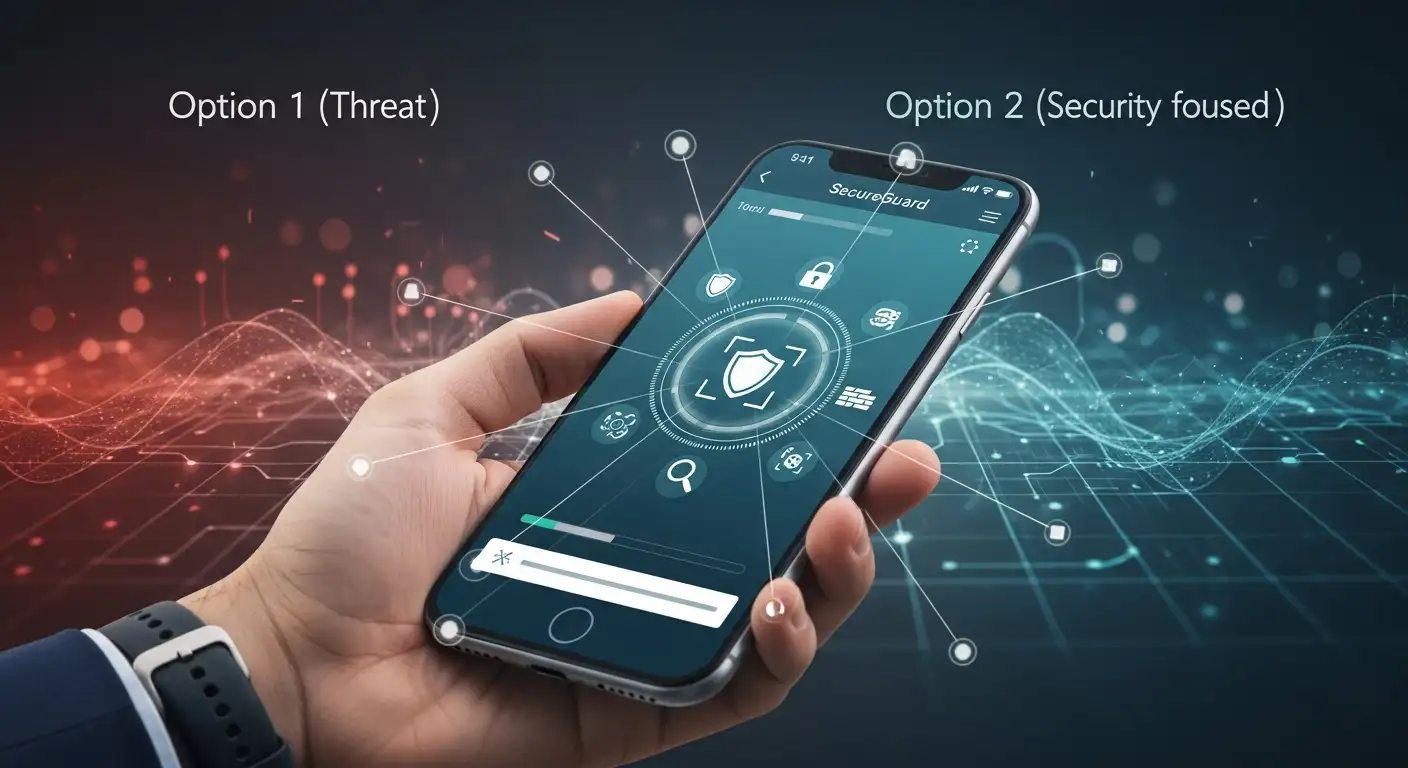
What makes mobile security different from desktop antivirus?
A lot of people think that mobile antivirus and mobile security apps are the same thing. No, it doesn't. Desktop antivirus is mostly about scanning files. Mobile systems are sandboxed, which means that apps can't do as much.
Modern mobile phone security software focuses on permissions, how apps work, phishing protection, identity alerts, and keeping the system safe. In 2025, file scanning alone won't work on Android or iOS.
This is why it's not right to call everything an antivirus. A better term for today is "mobile security app."
Why there will be more fake mobile security apps in 2026
One uncomfortable truth is that fake mobile security apps are now a big threat on their own. Cybercriminals know that people are afraid of hacks and data leaks. They sell fake protection based on that fear.
Some bad apps pretend to clean your phone or block viruses, but they really just gather information, show you annoying ads, or install spyware. Researchers in the field of security have warned many times that not all apps that claim to be security tools are real.
How Fake Security Apps Fool People
Fake apps often have high ratings, copied logos, and vague promises like "100% protection" or "military-grade security." These claims cannot be verified, which is cause for concern.
Another strategy is to send messages that make people afraid. Even on a clean phone, the app scans it and immediately says there are dozens of threats. Then it asks for too much money or too many permissions.
It could be dangerous if an app asks for access to SMS, calls, the microphone, and storage without giving a good reason. Is it dangerous to use fake mobile security apps? Yes, and reports that have been checked show that they can be worse than having no protection at all.
Why are there still risky apps in app stores?
The App Store and Google Play both check apps, but no system is perfect. Sometimes, bad apps pass initial checks and are then taken down after reports.
This is why people need to know how to check if a mobile security app is real instead of just trusting names or rankings.
How to Check That a Mobile Security App Is Real
To find a safe mobile security app, you need to do more than just look at star ratings. A real app is open, has clear privacy policies, and gets updates on a regular basis.
How to Tell if a Security App is Safe
First, look at the developer. A long history, public documentation, and independent security research are all signs of a well-known cybersecurity company.
Read the privacy policy next. A real mobile security app tells you what information it gathers and why. If the policy is unclear or missing, that's a bad sign.
Third, look for proof from an outside source. Security researchers check out or suggest some apps. This isn't required, but it does add credibility.
Things to think about for each platform
Because Android lets apps get deeper into the system, a mobile security app for Android usually has more protection features. This includes checking apps and keeping an eye on the network.
A mobile security app for the iPhone works in a different way. Apple limits access to the system, so iOS security apps don't do traditional scanning. Instead, they focus on phishing protection, identity alerts, and safe browsing.
Knowing about these differences helps you have realistic hopes.
Things to Look for in a Mobile Security App
Not all features are equally important. The best mobile security app for 2025 doesn't have a lot of extra features; it focuses on real threats.
Basic Protection Features
Instead of just looking for known virus signatures, monitoring how apps behave can help find bad actions.
Phishing protection stops fake websites and messages that try to steal passwords or financial information.
Network security alerts let people know about Wi-Fi networks that aren't safe and possible man-in-the-middle attacks.
Protection of Privacy and Identity
A lot of people don't realize how dangerous identity theft can be. Some smartphone security software now lets you know when your emails, passwords, or accounts have been hacked.
This is especially helpful for people who use the same login information on multiple services, which is still common even though people are warned not to.
Usability and openness
A good security app makes alerts easy to understand. People will ignore warnings if they don't understand them.
The battery life should also be reasonable. Apps that use up too much battery power often get uninstalled, which lowers long-term protection.
Mobile security apps: free or paid?
This is one of the most common questions people ask about mobile security apps. Free tools can be helpful, but they aren't perfect.
What free apps can and can't do
Free versions usually only offer basic protection against phishing or limited app scanning. They are better than nothing, especially for people who don't use them often.
Paid plans usually only have advanced features like identity monitoring, network protection, or real-time threat detection.
When it makes sense to pay for protection
Paid mobile threat protection is something to think about if you do any of the following: use mobile banking, keep sensitive work data on your phone, or manage cryptocurrency assets.
That being said, price does not equal safety. Some pricey apps still don't do a good job of protecting you. Always check the features, openness, and reputation.
Mobile Security for People Who Use Crypto and Banks
Smartphones are now a big part of how people handle their money. This makes them easy targets for scammers.
How mobile security apps keep your financial information safe
On Android, security apps can find fake banking apps, block phishing links, and warn you about screen overlay attacks.
Some apps also look for suspicious accessibility abuse, which is a common way for banking malware to get into your system.
Things You Should Know About Limits
No mobile security app can get back money that has been stolen or stop all social engineering scams. If an app says it will protect your money for sure, that claim is not true.
Security tools lower risk, but users still need to be aware.
When your phone needs protection right away
Sometimes the question isn't what a mobile security app is, but if your phone is already in danger.
Don't Ignore These Warning Signs.
If your battery drains quickly, it could be because something is running in the background, but it's not always bad.
Unexpected pop-ups, redirects, or new apps showing up without your permission are more serious signs.
If your phone gets too hot when you're not using it or when you're using a lot of data, it might be worth scanning.
When to Move Quickly
If you keep getting login alerts, strange text messages from your number, or your banking app keeps crashing, you should take action right away.
Installing a trusted mobile security app and checking permissions can help you find problems early.
How mobile security apps keep your personal information safe
Users can trust mobile security apps more if they know how they protect personal data.
They keep an eye on who can access sensitive permissions like location, camera, and storage. The security app lets the user know if an app misuses access.
They also keep you safe from phishing attacks, which use fake emails or messages to try to steal your login information.
Is it safe to use mobile security apps? Tools that have been checked by trustworthy developers follow the rules and privacy standards of the platform. But safety depends on picking the right app.
Do we need mobile security apps in 2026?
A lot of people ask this question when they search for it. The honest answer depends on how you use it.
Mobile security apps are becoming more important for people who download a lot of apps, use public Wi-Fi, or work with private information.
For people who only use official apps and follow good security practices, the risks are lower but not zero.
Threats change over time, and mobile platforms are not safe from them.
Do mobile security apps really do what they say they will?
Yes, if you use it right. Independent studies and reports of incidents show that mobile threat protection makes it less likely that you'll be exposed to phishing, malware, and unsafe networks.
But they don't work like magic shields. When used with updates, strong passwords, and careful behavior, they work best.
Can mobile security apps find spyware?
Some can. Many security apps can find stalkerware and spyware by looking at how they act and how they misuse permissions.
The accuracy of detection changes. No tool can guarantee that it will find all spyware, especially attacks that are very specific.
Example that could happen: A Realistic Situation
Think about a person who installs a flashlight app that secretly keeps track of where they are. This goes unnoticed without protection.
A mobile security app lets you know about strange background activity and too many permissions. The user checks out the app and then deletes it before any data is leaked.
This is how protection works in real life: it works quietly and ahead of time.
Mitigations Other Than Security Apps
No matter how good a mobile security app is, it can't replace good habits.
Make sure your operating system is up to date. Don't sideload apps you don't know about. Check app permissions often.
Use different passwords for each account, and turn on multi-factor authentication whenever you can.
Both tools and users are responsible for security.
Questions that are often asked
What is the best app for mobile security?
There isn't one best option for everyone. The best option for you will depend on your device, how you use it, and how much risk you are willing to take. Put your attention on honesty and a proven reputation.
What is a mobile security app that you can trust?
A reputable app comes from a well-known developer, has clear privacy policies, and doesn't make big promises.
Is it safe to use mobile security apps?
When you download apps from official stores, they are safe. Avoid fake apps because they are dangerous.
What does a mobile security app do?
It helps keep smartphones safe from malware, phishing, unsafe networks, and data theft.
Wrap Up
In 2026, knowing what a mobile security app is will be required. You can't just hope that your smartphone will keep your personal and financial information safe.
A good mobile security app adds a lot of protection, especially against threats that users can't easily see.
Explore our main services:
· Mobile Security
· Deep and Dark Web Monitoring
· ISO Certification and AI Management System
· Web Application Security Testing
-20260925120840.webp&w=3840&q=75)
-20260918120903.webp&w=3840&q=75)