
-20260118153039.webp&w=3840&q=75)
What went wrong? Are ChatGPT ads really coming to your AI chatbot experience?
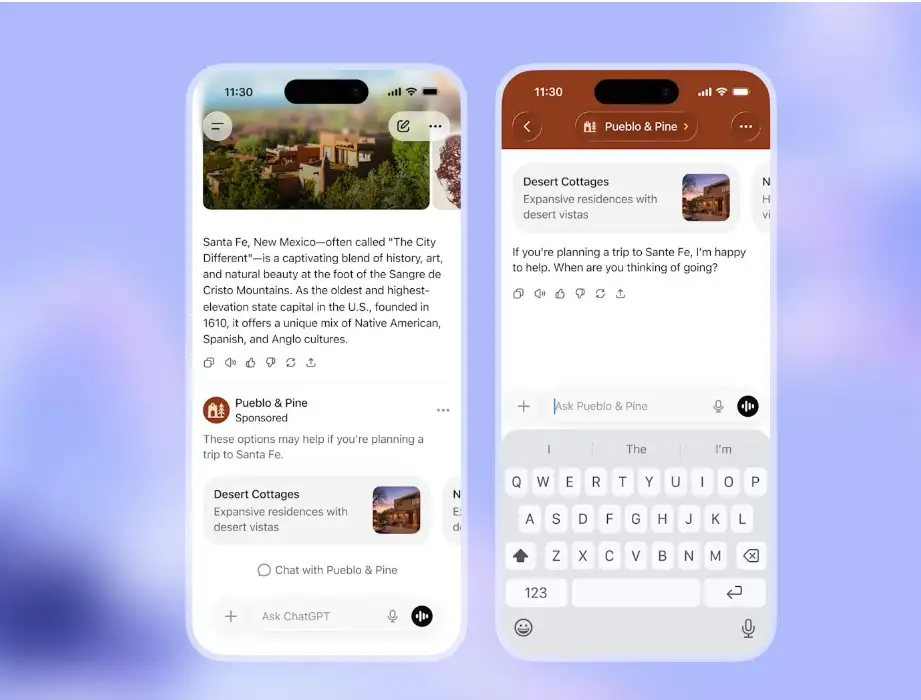
OpenAI said that starting this year, logged-in U.S. adults who use ChatGPT's free tier or the new low-cost Go plan will start seeing ads right in the chat. This change is a big deal for both how the platform makes money and how users use it. When you ask a question, the rollout will show ads below the chatbot's answer if there is a relevant sponsored product or service.
This is important now because ChatGPT has hundreds of millions of users around the world, and this change could change how we all feel about AI, privacy, and advertising in chat tools. People want to know what ChatGPT ads mean for their experience, how OpenAI plans to keep trust, and what this means for the future of generative AI.
What ChatGPT Ads Are and Why They're Coming
You might be curious about what ChatGPT ads will look like. OpenAI says that these ads will be clearly marked and will show up at the bottom of the response when there is a relevant sponsored product or service related to what you're talking about. Instead of being mixed in with the AI's answers, they are set apart from the actual chatbot answer.
The idea is that if you ask for travel tips for Paris, for example, you might see a sponsored link to a hotel or tour company after you get the answer you were looking for. OpenAI says that this placement is meant to keep the informational part of ChatGPT neutral and helpful so that ads don't affect it.
Why now? OpenAI has been under a lot of pressure to pay for the huge costs of running AI models on a large scale, especially since plans could cost more than $1 trillion by 2030. Subscriptions alone haven't been enough, and ads are a way to make money from the large number of people who use ChatGPT regularly but don't pay for it.
Source: OpenAI
Who Will Get These ChatGPT Ads? And who didn't?
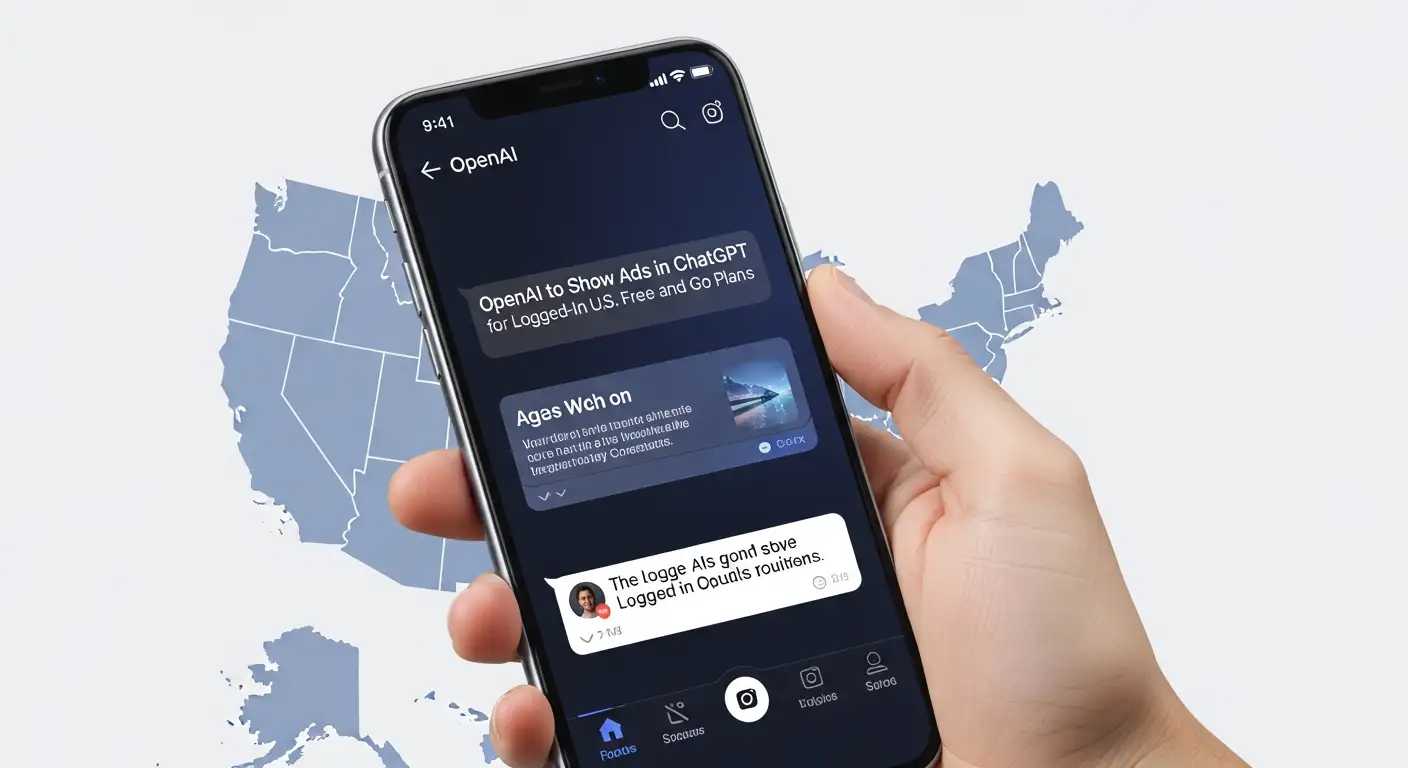
Not everyone who uses ChatGPT will see ads right away. The first test is only for adult users in the U.S. who are logged into their accounts and are on either the free plan or the new ChatGPT Go subscription.
In the U.S., ChatGPT Go costs about $8 a month. It was made to make advanced AI tools more affordable and available to more people. This level will also have ads, which have already led to online discussions among users about paying for a service and still seeing ads.
People who pay for Plus, Pro, Business, or Enterprise plans won't see ads. That's one way OpenAI is trying to find a balance between making money and giving users choices. Customers who pay more still get an ad-free experience, while free and low-cost users help pay for things by watching ads.
What OpenAI Says About Using Ads and Privacy
A lot of people are worried that these new ChatGPT ads will mean that their personal information is being used to target them. OpenAI has made it clear that it will not sell the content of your conversations to advertisers, and ads will not be as personalized as they are now on the web.
The company says that instead of collecting personal data over time, ads will be based on the current conversation context, which means the topics you're already talking about. This is supposed to feel less intrusive than other kinds of digital ads that follow your behavior across platforms.
Users will also be able to change some things about their ads. According to OpenAI's announcements, you will be able to turn off ad personalization and delete data related to your ad preferences.
Privacy advocates are still careful, though. Even if the goal is not to share data with advertisers, any system that puts ads into conversations makes people wonder how much data is used to choose which ads to show. As the tests go on and feedback comes in, people will probably look closely at how OpenAI is doing things.
How ChatGPT Will Place and Use the Ads
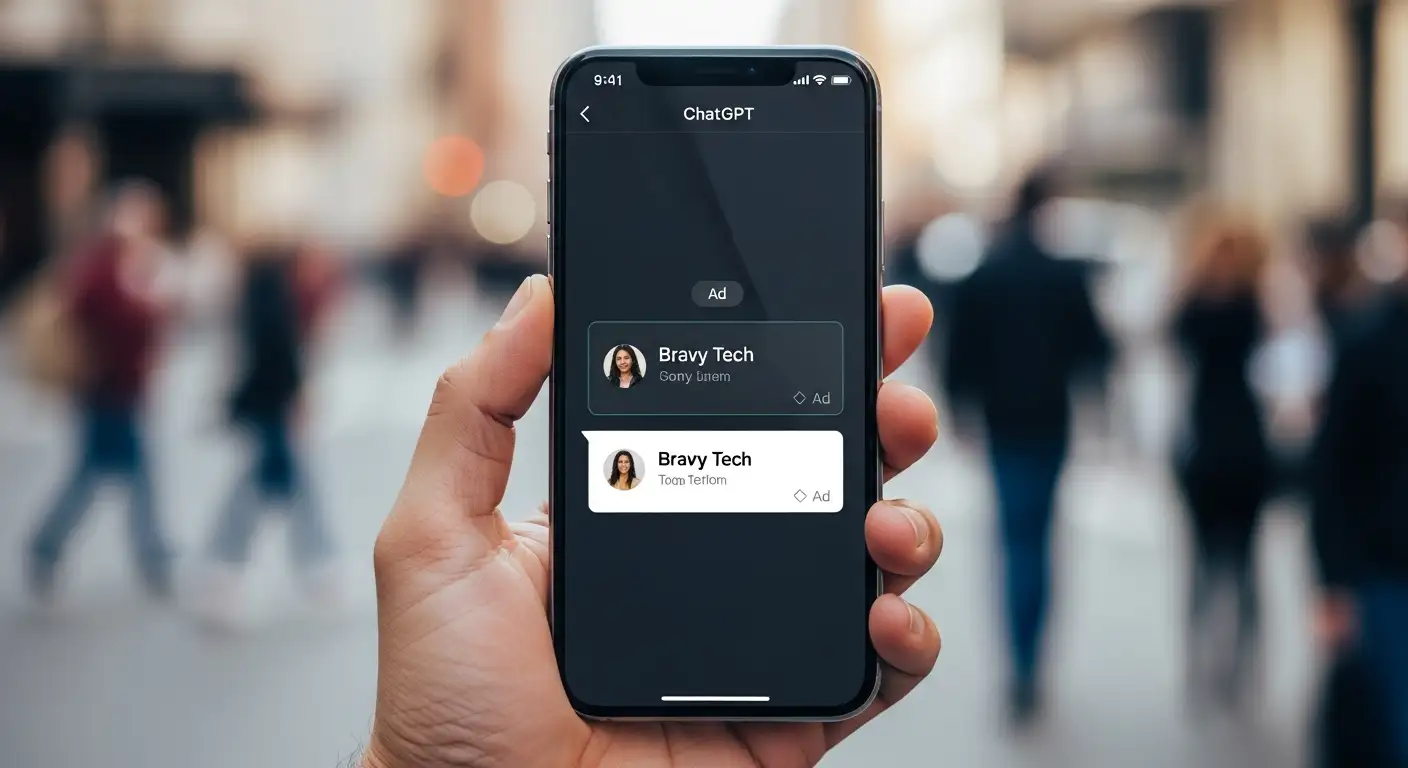
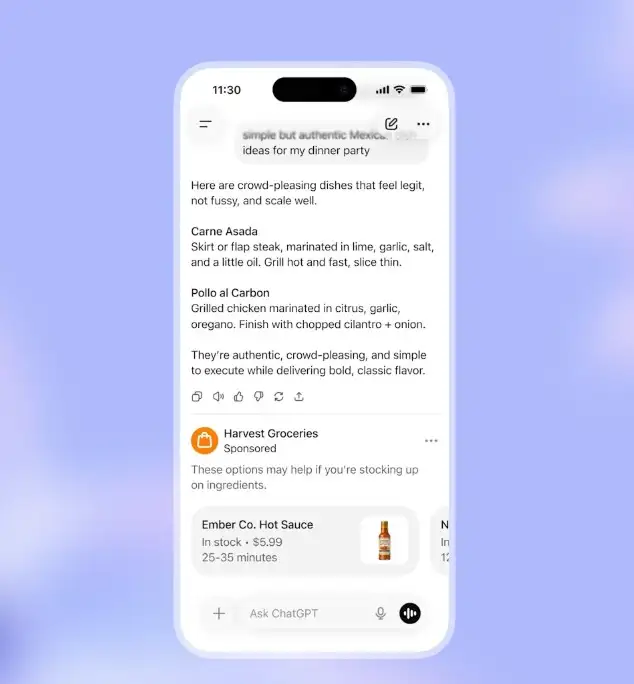
When a ChatGPT ad placement comes up, you'll still see an answer from the chatbot first. There may be a clearly labeled sponsored box with relevant ads below that answer. This is done on purpose to keep the ad separate and not mix it up with the helpful, unbiased AI answer.
This kind of advertising, which is based on context, is not the same as traditional banner ads or pop-ups. It has a direct connection to how the conversation goes. For instance, if you ask about camping gear, you might see an ad for tents or hiking gear below the AI's answer. That is meant to be helpful, not disruptive.
OpenAI has also said that it won't show ads for topics that are sensitive or regulated, like health, politics, and issues that might make people feel vulnerable or emotional. During the testing phase, people under 18 won't see ads either.
ChatGPT Ads vs. Regular Online Ads
One reason this change is getting a lot of attention is that it combines big generative models with old-school internet ads. Search engines and social networks, which are traditional platforms, make money by showing ads that are based on user data collected over time.
ChatGPT wants to add ads to conversational AI without taking away the main experience that users love. In theory, the ads are very relevant and not too intrusive, but users will have to judge the balance in real time as the ads start to show up.
Advertisers are also paying close attention. If ChatGPT can get people to interact with it a lot without losing their trust, it could become a new advertising platform. Some marketers already see it as a possible rival to search ads and other systems because it puts products right in front of people who are already working on a question or task.
What Users Are Saying and What You Should Expect Next
There have been mixed reactions. Some users think that ads will have to be added if the platform wants to stay free and grow. Some people are worried that even ads that are based on context will hurt trust or make people switch to a competitor if the experience feels too commercial. This debate is also happening in conversations online.
A lot of people think that ads in a paid tier like ChatGPT Go still feel strange. People expect a paid experience to be high quality and free of distractions, so seeing ads there is controversial.
What can you expect as these tests start? At first, ads will only be shown to certain people and will be placed very carefully. OpenAI is trying to get a feel for things and get feedback before making any big changes. There are still a lot of things that aren't clear, so it's a good idea to keep an eye on official updates and user reports as the rollout goes on.
What advertisers are looking at
ChatGPT advertising is interesting to brands because it is a new idea. Ads could show up in conversations where users are already interested and asking specific questions, instead of being hidden in display ads. That kind of placement in context could lead to very relevant engagement.
There is still some uncertainty about how advertisers will use pricing, targeting options, and performance tools. OpenAI has said that advertisers will see performance data for all users, not just one user at a time. Compared to platforms like Google Ads, this could make it harder to target ads accurately, but it could also be a selling point for brands that care about privacy.
Analysts say that in the next few months, advertisers will carefully look into this area, with early adopters testing placements to see how users react before moving large sums of money.
A Look Ahead: Generative AI Monetization and Conversational Ads
This decision by OpenAI is part of a larger trend in how generative AI services might be able to stay in business. Subscription fees alone can't pay for research, infrastructure, and growth forever. That's why generative AI monetization models that include ads, partnerships, and other ways to make money are becoming more popular.
In the future, conversational ads might be more interactive, letting people click, ask follow-up questions, and even buy things right in the AI chat.
This would make ads feel less like they were getting in the way and more like they were part of the experience. It's still early, but the potential has already gotten people talking in both the tech world and the mainstream media.
Frequently Asked Questions About ChatGPT Ads
Will the AI's answers be less neutral because of ChatGPT ads?
No. OpenAI says that the ads won't change the AI's answers. It's clear what they are, and they are separate from the other content.
Is it possible to not see ads that are tailored to me?
Yes. Users will be able to turn off personalized ads and delete any data that was used for ads.
Will everyone eventually see ads?
Ads are currently planned for U.S. adults who are logged in and have the free or Go plan. There hasn't been any official word on when the service will be available worldwide or when it will grow.
Can advertisers see what I talk about?
OpenAI says that advertisers will not be able to buy or see what you talk about. The ads you see depend on what you're doing at the time.
A Big Change for ChatGPT and AI Ads
The arrival of ChatGPT ads seems like a turning point in the history of generative AI. OpenAI is carefully moving into advertising as a way to help the company grow while keeping people's trust. This means that users have to choose between getting free or cheaper access and seeing ads that are relevant to their answers. The real test will be how well this balance works in real life and if users feel like the experience is still useful and respects their privacy.
Source you can trust: Reuters' coverage of the rollout of the ads confirms this news and gives more information about OpenAI's plans for making money and protecting users.
What to Do Next with the Hoplon Insight Box
• If you use ChatGPT a lot and are on a free or Go plan, be ready for ads.
• If this is important to you, think about switching to a plan that doesn't show ads.
• If you want the most privacy, look into ad personalization settings and clear your data.
• Keep an eye on how this trend changes as OpenAI gets more feedback.
• Brands that are thinking about new ad platforms should start looking at early results before they spend any money.



-20260925120840.webp&w=3840&q=75)