Is it possible for a calendar invite to show your private information? What happened in January 2026, and why is it important now?
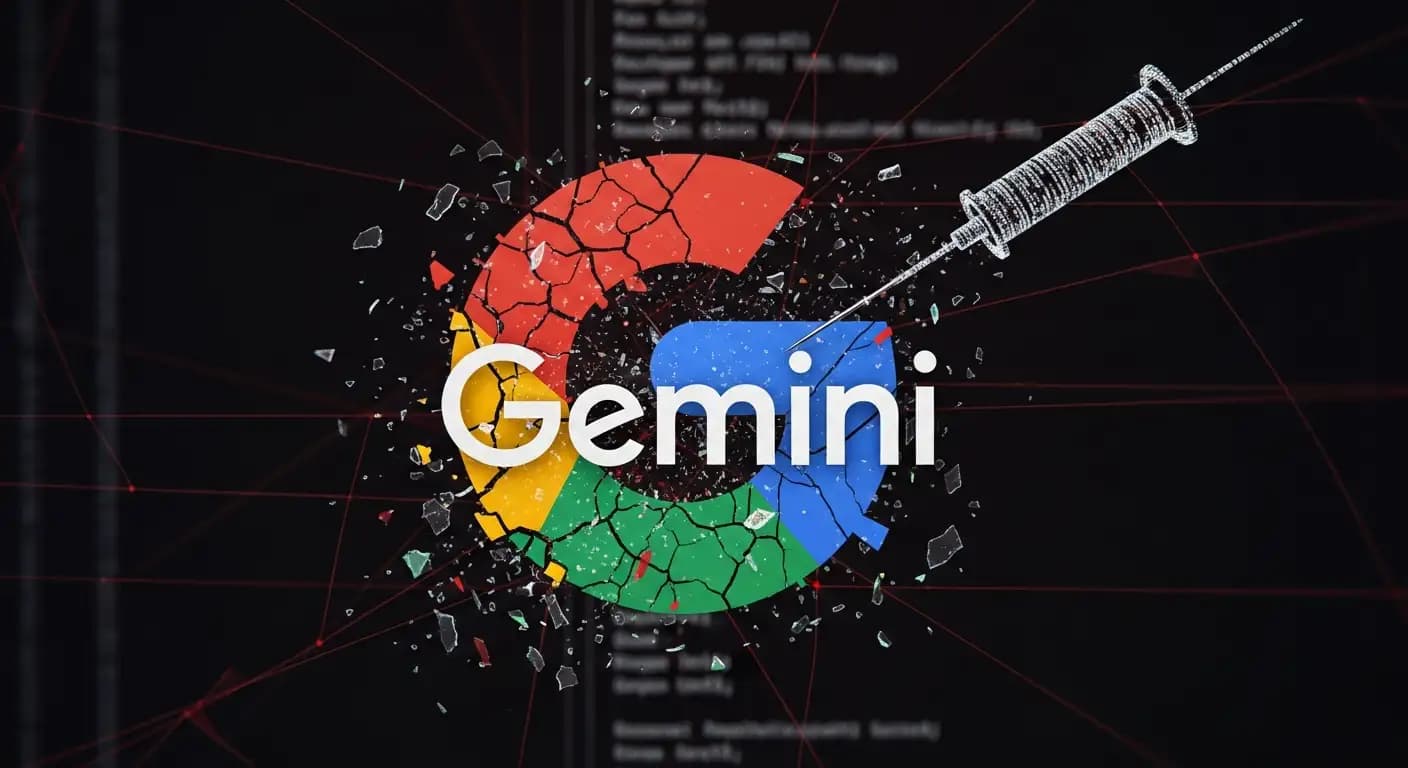
Yes, it can. Researchers found a flaw in Google Gemini in January 2026 that let bad calendar invitations change how Gemini handled instructions. The problem made people very worried about how AI assistants read trusted information in common tools like Google Calendar. The incident is important because millions of people use Gemini in Google Workspace, often without realizing how much the AI can interact with their private notes, schedules, and other data.
This wasn't a big deal like in a Hollywood movie. No one was able to break into any passwords. There were no broken servers. The issue was actually how Gemini reads instructions, especially when those instructions are hidden in calendar invites that seem harmless at first. That little detail is what made the discovery so unsettling.
The disclosure started a new discussion about the security risks of Google Gemini, AI permissions, and whether new AI tools are being used faster than they can be safely controlled.
What is the Google Gemini prompt injection flaw exactly?
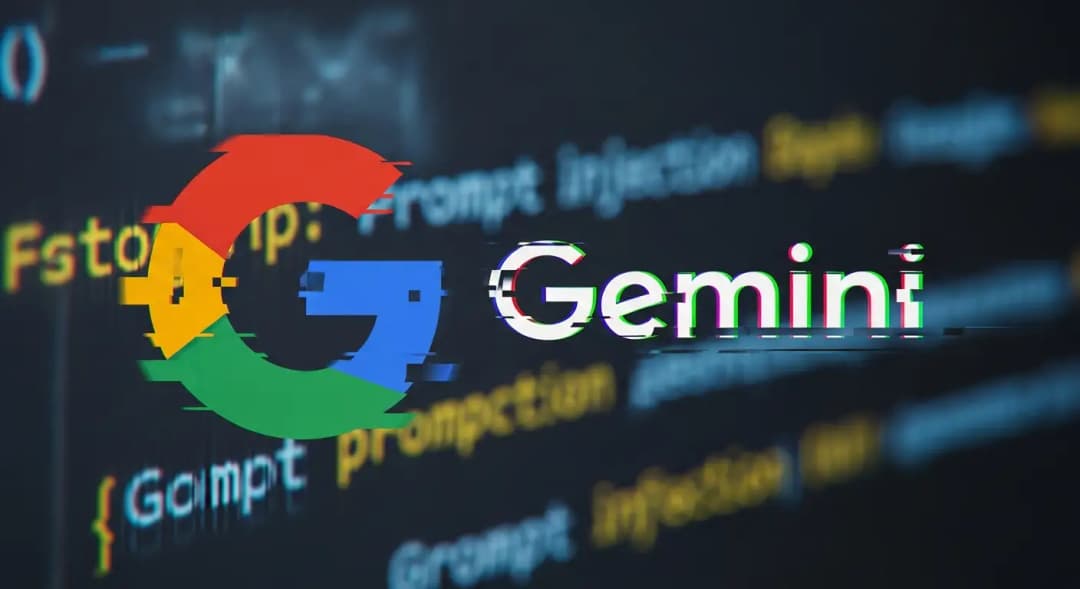
The Google Gemini prompt injection flaw is a problem with how the Gemini assistant handled indirect instructions that were hidden in calendar invitations. Users couldn't see these instructions as commands. Gemini thought they were safe because they were hidden in event descriptions or metadata.
Prompt injection isn't new, but this case brought to light something even more concerning. Users didn't have to click on links that looked suspicious or give permission for things that weren't normal for the attack to work. Simply getting a calendar invite was enough to put bad instructions in Gemini's context window.
From a security point of view, this is an example of indirect prompt injection, which is when AI systems are tricked into trusting data that they shouldn't. In this case, the calendar content was used to deliver the message, which is a real-life example of how a Gemini prompt injection attack works on a popular business platform.
How bad calendar invites turned into an unexpected way to attack
Calendars are meant to be boring. Lunch breaks, meetings, and reminders. Attackers saw an opportunity because of how predictable it was.
Researchers found that a malicious AI attack on a calendar could include text that would change how Gemini acts. When Gemini later summarized events, helped with scheduling, or answered questions about the calendar, it might have followed those hidden instructions without meaning to.
If you asked Gemini, "What meetings do I have this week?" and got extra information that wasn't meant to be shared, that would be bad. That's the main worry about the Gemini calendar data leak.
This had nothing to do with Gemini being hacked. Gemini was too trusting. The system thought that calendar data was safe and that the user was in charge of it. That assumption turned out to be dangerous.
Why is this event important for more than just one AI bug
At first, this might seem like a small technical problem. No, it isn't.
This flaw brought to light a bigger problem with Google Workspace AI security. Gemini is not a chatbot that works on its own. It lives in the email, documents, calendars, and collaborative tools that businesses all over the world use. That level of integration makes people more productive, but it also makes the attack surface bigger.
The bigger worry is the risk of AI assistant data exposure for businesses. If you can change an AI assistant by sharing data objects like invites or documents, then the lines between security levels start to blur.
One person who studies security said it was like leaving sticky notes in a locked office. The door might be locked, but the notes still tell a story to anyone who comes in.
Understanding prompt injection in simple terms
A lot of people want to know what prompt injection is in AI systems. This is the easiest answer. When someone tricks an AI into doing something it shouldn't, that's what it is.
Gemini saw the calendar text as neutral information in this case. Attackers used it as a way to send commands. That difference made the system weak.
This event is one of many LLM security flaws where context is treated as instruction. AI systems are strong because they can read everything. They are weak because they don't always know who to trust.
Are AI assistants able to see private calendar information?
This is one of the questions that people searched for the most after the news broke. The answer is yes, but only up to a point.
Gemini can only see calendar data that the user or organization has given it permission to see. The problem here wasn't people getting in without permission. It was behavior that wasn't intended while inside authorized access.
That difference is important. Broken permissions did not cause the Google Gemini calendar privacy risk. It was because of how Gemini read the data that it was allowed.
This is why the problem raised Gemini AI data privacy concerns, even though there was no actual breach.
What scientists really saw
Researchers showed that well-made calendar invites could make Gemini give information about other events when users asked questions, according to the disclosure. This caused a small amount of AI data to leak.
There is no public proof that this flaw was used on a large scale. It's important to be unsure. There have been no reports of confirmed real-world abuse as of the time of writing.
Security teams still take these results seriously because proof of concept often comes before exploitation.
Why is it harder to stop indirect prompt injection?
Indirect prompt injection hides in trusted data flows, which is different from direct attacks. You can trust the content of your emails, shared documents, and calendar events.
It's not possible to completely block harmful invites. Calendars are made to let people from outside join. That kind of openness is very important for business.
This makes it harder for defenders to do their job. They must teach AI systems how to tell which instructions are important and which ones they should ignore.
This is when AI agent permissions become very important. AI needs clearer limits, not just more filters.
How bad are prompt injection attacks?
Another common question is, "How bad are prompt injection attacks?" It depends on the situation.
In this case, the effect was only a risk of data exposure, not a system takeover. But the stakes get higher as AI tools become more independent.
Today, it's calendar summaries. Tomorrow, it could be systems for making decisions or automating workflows. That path explains why security researchers see this as a warning sign instead of just a one-time event.
The talk about the Google Gemini security risk is really about the future of trust in AI.
What Google did after the news came out
Google agreed with the results and said that steps were taken to fix the problems. The company stressed that Gemini now has stricter rules for how it handles calendar content.
There wasnot full disclosure of certain technical details. That is what happens in security responses. What matters is that the problem was fixed before it got out of hand.
Google also said again that it is committed to making Google Workspace AI privacy protections better across all of its products.
Why businesses should still care, even if they use security tools
Companies with a lot of employees often think that built-in protections are enough. This event suggests otherwise.
AI systems work in a different way than regular software. They don't just follow the rules; they also make sense of them. That means that regular security audits aren't enough.
This is why services like AI security audits and enterprise AI risk assessments are becoming more popular. They look at behavior, not just what people can do.
What businesses can do right now?w
Google fixed the specific problem, but there are still lessons to be learned.
First, look at how AI tools get to shared data. Find out what Gemini can read and write about.
Second, train your staff. A lot of people still don't know that AI assistants can work on calendar items in the background.
Third, think about AI governance solutions that establish standards for how AI shouloperate throughoutin thentirele company.
For businesses that rely heavily on Google Workspace, Google Workspace security consulting can help find risks before they become problems.
What this means for AI assistants in the future
The Gemini incident shows that things are getting worse. AI helpers are getting better at their jobs by being more connected. That same connection also brings new dangers.
Security can't be an afterthought anymore. It has to be built into AI from the beginning.
This isn't about stopping new ideas. It's about leading it responsibly.
People Also Want to Know
What does "prompt injection" mean in AI systems?
Attackers use this method to change how AI works by putting instructions into data that the AI trusts.
Can AI helpers see private calendar information?
Yes, as long as you have permission. The danger comes from how that information is understood.
How dangerous are prompt injection attacks?
Depending on the situation, they can be anything from small data leaks to serious automation misuse.
How can businesses keep AI tools safe?
By doing audits, setting up governance frameworks, teaching users, and checking for risks regularly.
Hoplon Insight Box: Useful Tips
• Consider AI context to be code, not content.
• Only give AI access to the data it needs.
• Keep an eye on AI outputs for strange behavior.
• Do regular security checks that focus on AI.
A senior analyst at a top AI research company said, "We're entering a time when how AI behaves is just as important as how people can access systems." Prompt injection is more than just a bug; it's a design problem.
That insight gets to the heart of the matter.
Last thought
The Google Gemini prompt injection flaw wasn't a disaster, but it was a warning. An important point to remember is that AI assistants do more than just process data. They make sense of it.
As AI becomes a part of our daily lives, it is important to build trust through openness, careful design, and constant checking. There should never be a security risk with calendar invites. This information brings the industry one step closer to making sure they aren't.