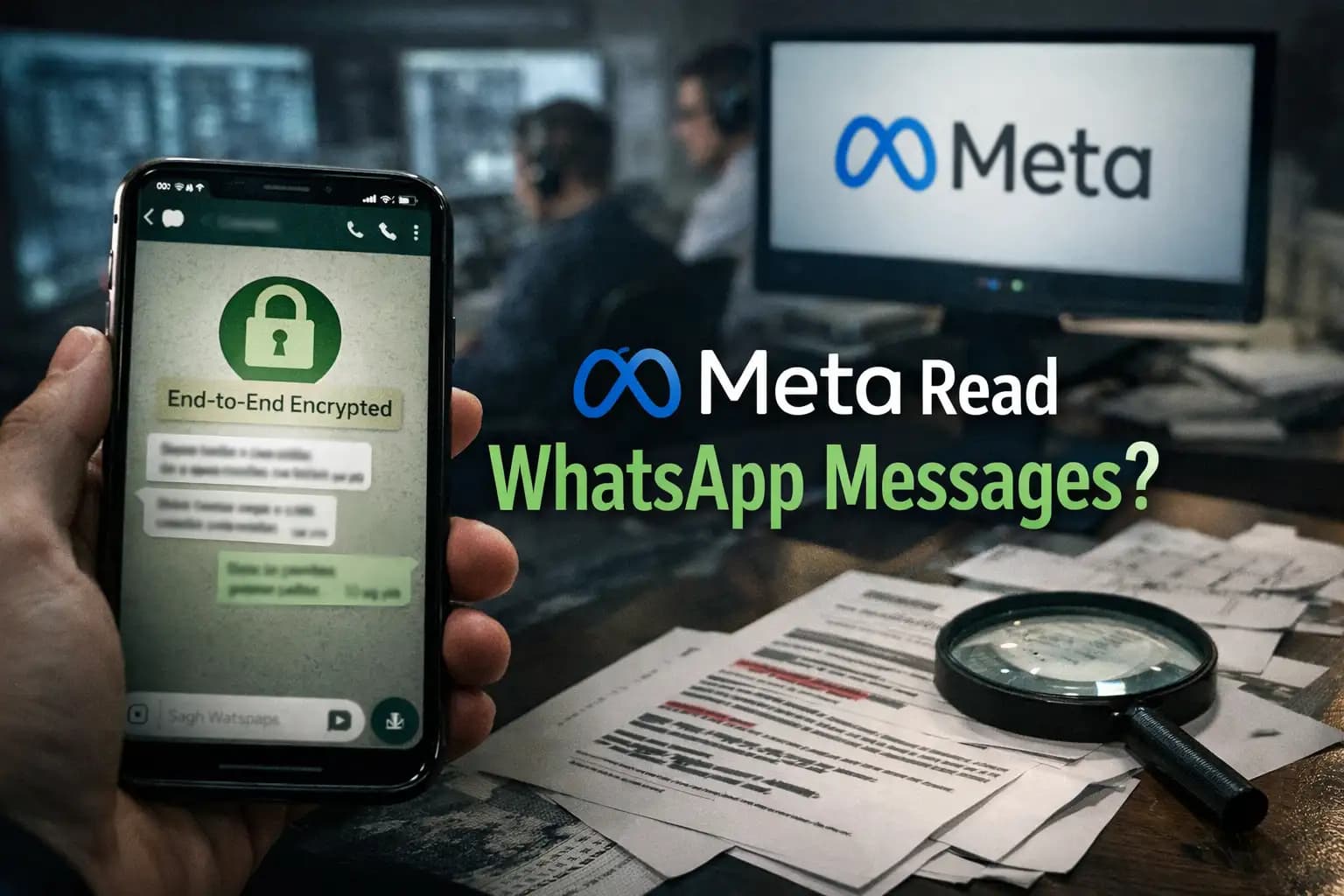
Can Meta read WhatsApp messages even though they are encrypted from end to end?
A new lawsuit says it might be possible in some ways, but there is no proof that Meta regularly reads private WhatsApp chats. The case brings up important issues about how encryption works in real life, not just on paper, as well as data access and metadata.
What transpired
The internet is quick to respond to anything that has to do with WhatsApp and privacy. This time, the noise started when a lawsuit said that Meta can read WhatsApp messages under certain conditions. That claim quickly made the news, which said that private chats were never really private.
The lawsuit, which is now known as the Meta WhatsApp message privacy lawsuit, does not say that Meta is spying on every message. Instead, it asks how much access Meta might really have to WhatsApp data and whether users were fully aware of these possibilities.
This is important because WhatsApp has more than two billion users around the world. For a lot of people, it's more than just a messaging app. It's where business deals are made, families stay in touch, and private talks take place.
Understanding the Main Point: Meta Can Read WhatsApp Messages
The lawsuit is not about a big conspiracy; it's about a legal and technical issue. The claim says that Meta may still be able to see messages even if end-to-end encryption is in place because they have access to the system, backups, or related data flows.
It sounds like the phrase "Meta can read WhatsApp messages" is true, but the lawsuit is more complicated than that. It says that encryption keeps messages safe while they are being sent, but it doesn't always stop access once messages interact with other systems that Meta controls.
This has not been decided by a court yet. There is no public technical proof that Meta reads a lot of message content. The case is still going on, and a lot of the information is still unverified.
What End-to-End Encryption Means in Real Life
With end-to-end encryption, only the person sending and receiving the message can read it. The Signal Protocol is well-known and respected in the security community, and WhatsApp uses it.
But encryption doesn't cover everything. It keeps messages, pictures, and calls safe while they are being sent. It doesn't automatically protect backups that are stored in the cloud, accessed at the device level, or the collection of metadata.
Most misunderstandings start with this difference. Encryption is strong, but it's not magic. It works in a system that still needs servers, software updates, and user devices.
What collecting metadata has to do with the lawsuit
Metadata is information about other information. It tells you who you message, when you message, how often, and where you send the message from. It doesn't include the text of the message, but it can still give a clear picture of behavior.
The WhatsApp privacy case shows that collecting metadata can be just as revealing as the content itself. Patterns of communication can tell stories without anyone reading a word.
Meta has admitted to gathering some metadata for security, spam prevention, and service improvement. The lawsuit asks if this collection goes beyond what users would reasonably expect.
A look at the privacy policy
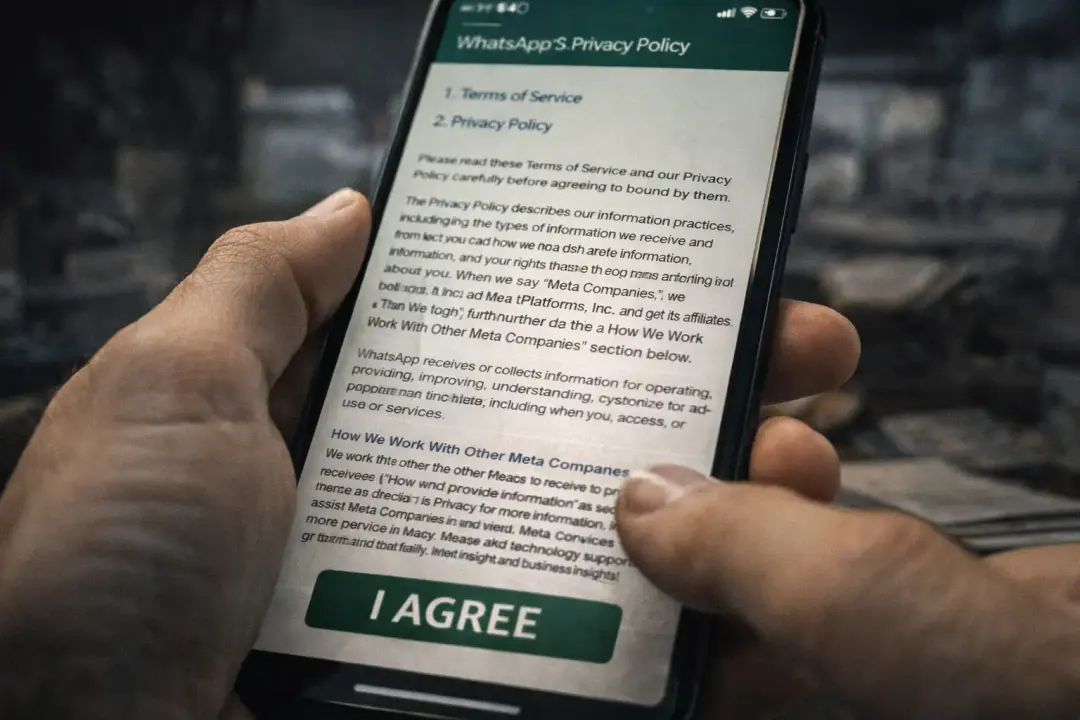
Most people don't read privacy policies. They scroll down and tap "agree." That habit is now a point of contention in court.
A close look at WhatsApp's privacy policy shows that it says that data can be shared with Meta companies for business reasons. The lawsuit says that these disclosures might not make it clear how someone could get access.
This has less to do with secret spying and more to do with being open. Courts often look at whether users were given enough information instead of whether a company acted badly.
Is this a case about WhatsApp encryption or about openness?
It can be misleading to call this a WhatsApp encryption lawsuit. Based on what we know now, the encryption itself is not broken.
Instead, the case looks at how encrypted systems work with the infrastructure of a business. Encryption can coexist with data access mechanisms without being jeopardized.
It's like a letter that is locked up inside a clear envelope. You can't read the letter, but you know who sent it and when.
Without the Hype, Here's What Meta WhatsApp Data Access Is
People often get scared when they hear the words "Meta WhatsApp data access." In reality, having access doesn't always mean being able to read messages.
Delivery logs, abuse detection systems, AI moderation signals, and user reports are all examples of data access. Moderators may be able to see parts of a message when it is reported.
The lawsuit asks if these access points could be expanded or misused, not if they are already being abused.
Can Meta Read WhatsApp Messages: A Lawsuit vs. Public Opinion
People often react before they know the facts. A lot of people thought the lawsuit proved what they had long suspected.
The lawsuit about whether Meta can read WhatsApp messages has not shown that message content is always available. It questions what we think we know about how systems should be built and what information must be shared.
Court cases often move slowly and focus on narrow definitions. Headlines don't often show how complicated things are.
User Responsibility and Cloud Backups
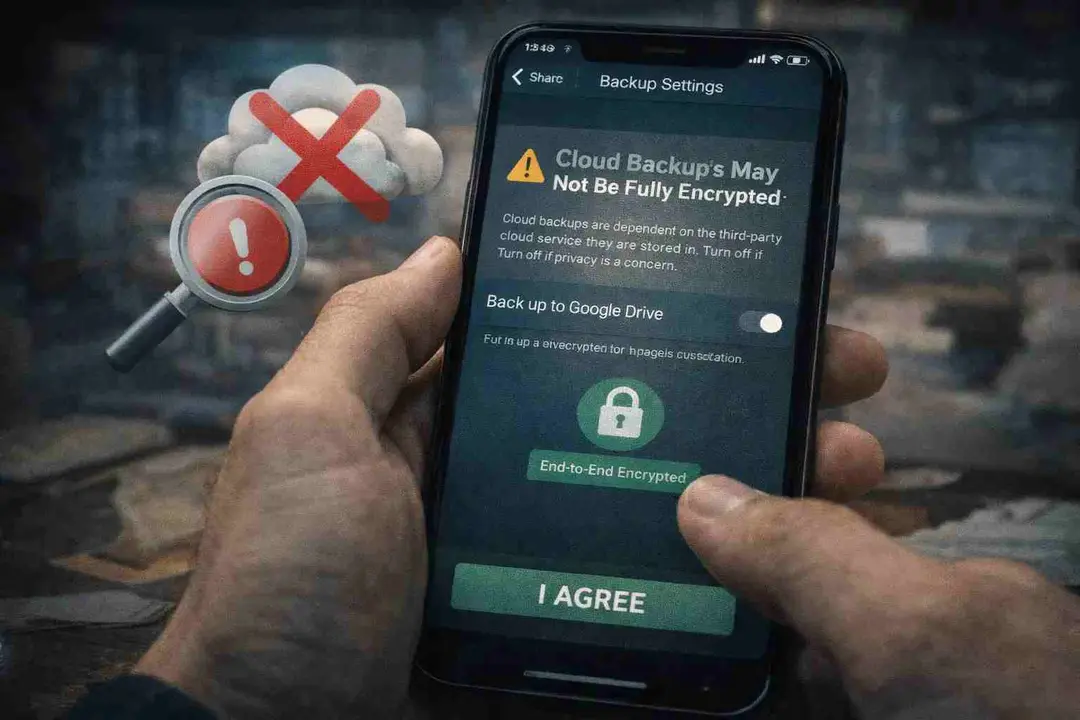
One useful example that people often forget about is backups. When users back up chats to cloud services, those backups might not always be encrypted all the way through.
This doesn't mean that Meta is reading your messages. This means that third-party cloud providers could get to the data if certain conditions are met.
Everyone is responsible for security. People who turn on backups give up some privacy in exchange for ease of use.
Is WhatsApp still safe in 2026?
The question "Is WhatsApp still safe in 2026?" needs a calm answer. Yes, for most people.
There is no proof that Meta reads a lot of messages. Encryption is still in place. Researchers in security still trust the core protocol.
But safety isn't black and white. It all depends on how you use it, what you expect, and what kind of threats you think there are.
WhatsApp Privacy Risks That Most Users Don't Think About
Most of the time, the privacy risks of WhatsApp are behavioral, not technical. More leaks happen because of screenshots, forwarded messages, hacked devices, and social engineering than because of encryption flaws.
The lawsuit reminds people that privacy isn't always clear-cut. Habits are important, even with technology.
It's better to know where data goes than to think that it's always private.
What WhatsApp does to businesses
Messaging apps are business tools for companies. They are important for customer service, sales, and coordinating things within the company.
This is why more and more people are looking for secure messaging apps for business. Companies need to know exactly what the rules are for compliance, data retention, and access controls.
The lawsuit might make businesses rethink their policies instead of getting rid of WhatsApp altogether.
Comparing WhatsApp to Other Apps for Secure Messaging
There is no perfect platform. Signal cuts down on metadata. Telegram lets you choose whether or not to encrypt your messages. Apple Messages depends on trust in the ecosystem.
WhatsApp is easy to use and can handle a lot of users. That balance means making choices.
The lawsuit shows those trade-offs instead of a specific failure.
What Meta Has Said in Public So Far
Meta has always said that WhatsApp messages are protected by end-to-end encryption and that it can't read the content of messages by default.
There is no official admission that goes against that. For safety and functionality, the company stresses that data access is limited.
If this position changes, it is likely that regulators around the world will take action.
What Users Should Do Next
First, learn about settings. Look over your backup choices. Turn on device security.
Second, be honest with yourself. Messaging apps lower risk, but they don't get rid of it.
Third, stay up to date. Legal cases change, and things become clearer over time.
Questions that are often asked
Can Meta read WhatsApp messages right away?
There is no proof that Meta regularly reads the content of messages. The lawsuit questions access at the system level, not surveillance that has been proven.
Does end-to-end encryption still work?
Yes. Public audits and expert analysis show that the encryption protocol is still working.
Should businesses stop using WhatsApp?
Most businesses don't need to stop. They should look over their policies for handling data and make sure they are following the rules.
Is this lawsuit real or still being looked at?
The case is still going on. Claims haven't been legally proven yet.
Useful Suggestions
• Check your backup settings and turn off cloud backups if privacy is very important to you.
• Use strong authentication and encryption at the device level. Teach teams about the dangers of metadata. Keep an eye on legal changes before making big changes.
Last Thoughts
There is no proof that Meta can read WhatsApp messages, but the lawsuit raises real concerns about transparency, metadata, and how well users understand what is going on.
You don't have to agree to privacy once. You are always checking on the system.
For now, WhatsApp is still a safe tool for most people, but it has known problems and is being looked at more closely.
Endpoint security protects the device from malware, spyware, and unauthorized access that can expose WhatsApp data even when messages are encrypted.
It also controls cloud backups, authentication, and risky user behavior, areas where encryption alone does not help.