
Are smartphones really safe today? For most people, a smartphone now holds far more sensitive information than it did a decade ago. Banking apps, email accounts, private messages, saved passwords, photos, work files, authentication codes, and cloud access can all be connected to a single device. That makes mobile internet security an essential part of protecting both personal information and online accounts.
Mobile internet security refers to the practices and technologies used to protect smartphones and tablets while they connect to websites, apps, cloud services, mobile networks, and Wi-Fi. It covers more than antivirus protection. A secure mobile environment also needs protection against malicious apps, phishing links, unsafe networks, excessive app permissions, account theft, operating system vulnerabilities, and other threats that target mobile users.
The mobile threat landscape has also become more complex. Zimperium's 2024 Global Mobile Threat Report documented mobile-focused phishing and malware activity, including threats specifically designed to target users on smartphones. Attackers can reach users through SMS messages, email, social media, QR codes, fake login pages, compromised apps, and malicious websites.
Some attacks require a victim to install an app or enter credentials into a fake page. Others, such as certain zero-click exploits, can abuse vulnerabilities without requiring the user to tap a malicious link. Understanding these different attack paths is important because no single security tool can protect a phone from every type of threat.
For everyday users, the biggest risks often begin with familiar activities such as installing an app, opening a text message, connecting to public Wi-Fi, or signing in to an online account. Learning how mobile malware and malicious apps spread can make it easier to recognize risky downloads and unusual app behavior before sensitive information is exposed.
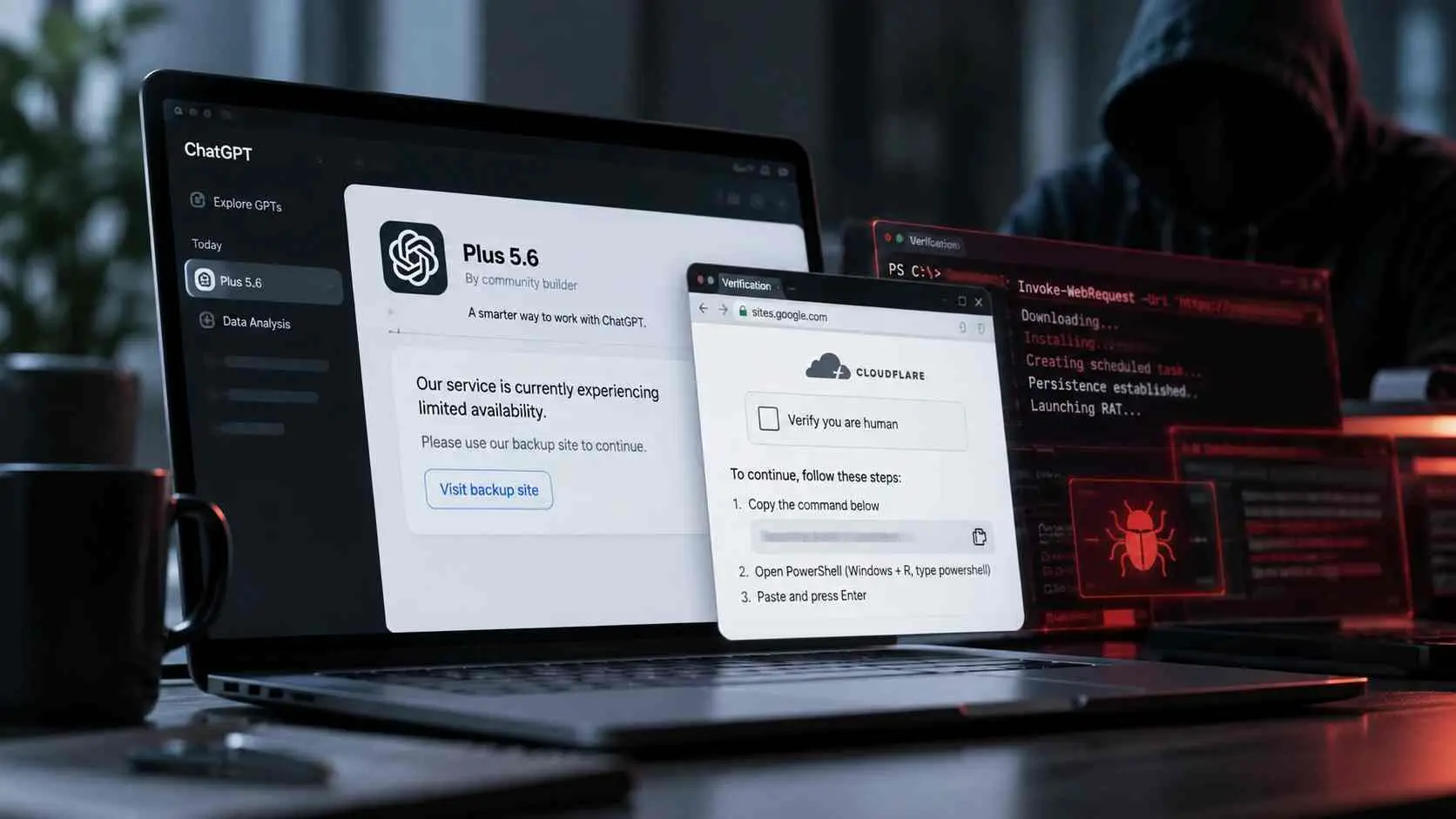
Mobile phishing deserves similar attention. SMS-based phishing, commonly called smishing, may imitate banks, delivery companies, government services, employers, or other trusted organizations. Hoplon Infosec's guide to smishing and SMS phishing explains how these scams attempt to steal credentials, financial information, or persuade users to install malicious software.
Public and unfamiliar networks create another layer of risk. Travelers and remote workers may regularly connect their phones to hotel, airport, café, or other shared Wi-Fi networks. Following practical steps to protect mobile devices while travelling can reduce exposure to insecure connections, device theft, unauthorized access, and data loss.
Why Mobile Internet Security Is More Important Than Ever
A smartphone is no longer just a communication device. For many users, it functions as a digital wallet, identity tool, password manager, camera, workstation, and gateway to personal or business cloud accounts. If the device or one of its connected accounts is compromised, the impact can extend far beyond the phone itself.
Attackers can target mobile users through several layers at once:
- Device threats, including outdated operating systems, stolen devices, and exploited vulnerabilities.
- Application threats, including malicious, compromised, or excessively permissioned apps.
- Network threats, including unsafe Wi-Fi and malicious network activity.
- Social engineering, including phishing, smishing, fake login pages, QR-code scams, and fraudulent messages.
- Account and identity threats, including stolen passwords, session tokens, and authentication codes.
- Advanced exploits, including vulnerabilities that may be exploited with little or no interaction from the user.
This wider attack surface becomes especially important when personal phones are also used for work.
Employees increasingly access business email, cloud storage, collaboration tools, dashboards, and company accounts from Android and iOS devices. This practice, often associated with bring your own device (BYOD) environments, means that a security problem on a mobile device may also create risk for corporate data and services.
Organizations therefore need to think beyond traditional desktop protection. Endpoint security can help protect devices that access business systems, while Mobile Device Management (MDM) can help organizations enforce policies, manage configurations, and control corporate devices. Dedicated mobile security and threat defense can add protection against mobile-specific risks such as malicious apps, phishing, risky Wi-Fi, vulnerable operating systems, and other threats affecting Android and iOS devices.
For individual users, the goal is simpler: reduce unnecessary exposure and make it harder for attackers to steal data, compromise accounts, or take control of the device. Keeping the operating system updated, reviewing app permissions, avoiding suspicious links and apps, securing important accounts, and using safer networks all form part of a stronger mobile internet security strategy.
The next sections explain these risks individually and show practical steps Android and iPhone users can take to browse, communicate, bank, and work more safely.
 The Quick Rise of Mobile Malware
Mobile malware has become more difficult to recognize because malicious software does not always look suspicious. Some threats are disguised as useful apps, games, security tools, or utilities, while others reach users through phishing links, fake websites, unofficial app stores, or malicious downloads.
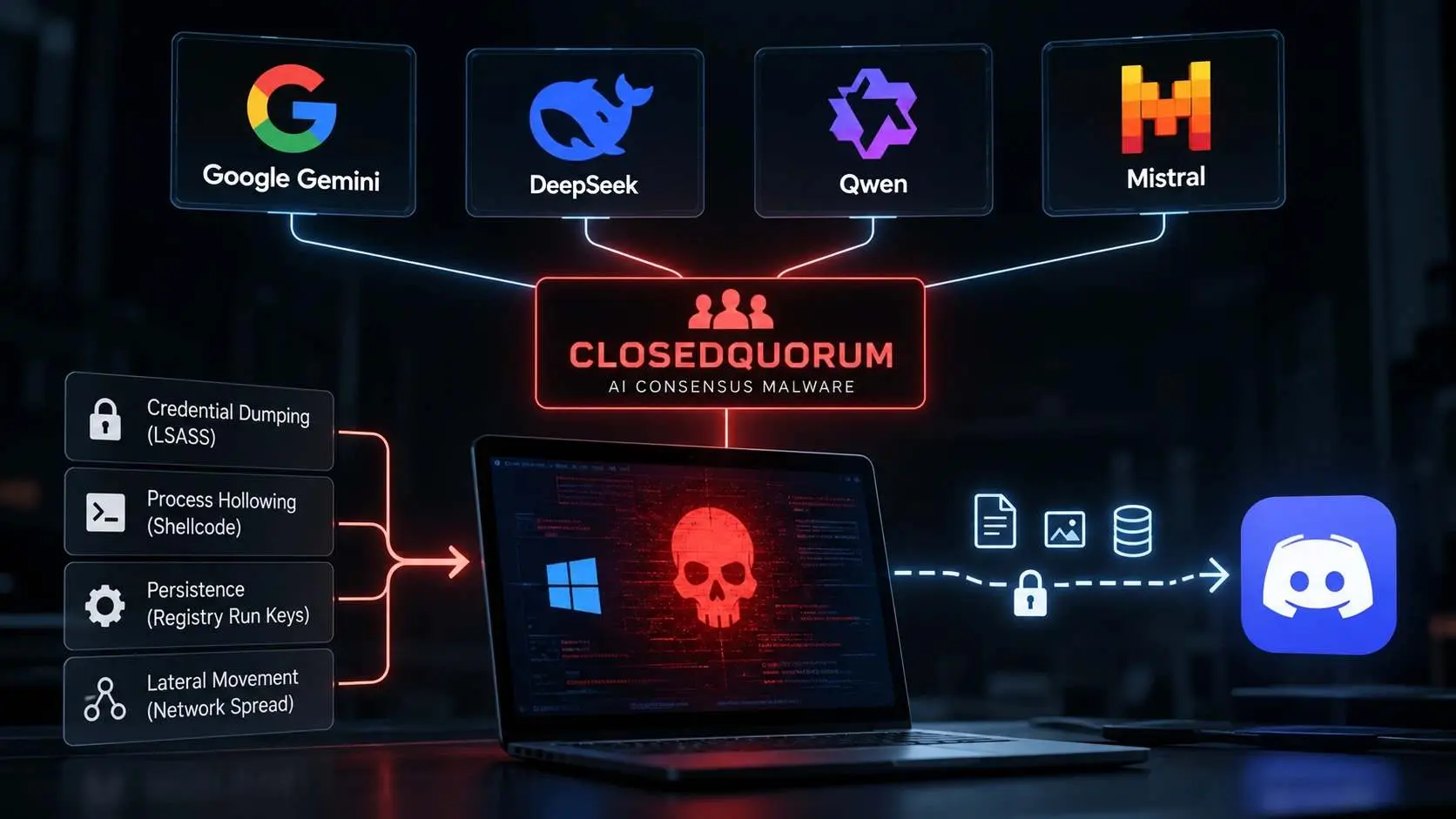
Understanding how mobile malware and malicious apps work is important because different types of malware can target different parts of a smartphone. Banking trojans may try to steal financial credentials, spyware can collect sensitive information, and malicious apps may abuse device permissions to access messages, contacts, location data, or other private information.
One technique associated with Android banking malware is an overlay attack. In this type of attack, a malicious app displays a fake interface over a legitimate banking or login screen. The victim may believe they are entering information into the real app while their credentials are actually being captured by the malicious application.
Android treats the ability to display content over other apps as a sensitive form of access, and attackers may combine overlay techniques with abused permissions or accessibility features. For users, unexpected requests for permissions such as accessibility access, SMS, contacts, microphone, location, or the ability to appear over other apps should therefore be reviewed carefully.
The same principle applies to ordinary apps. A permission request should make sense for the feature the app provides. For example, a flashlight app requesting access to SMS messages or contacts would deserve closer inspection because those permissions are not normally required for basic flashlight functionality.
Apps installed from unofficial sources can create additional risk because users may bypass some of the security controls provided by official app stores. Even official stores cannot eliminate every malicious application, so users should still check the developer, reviews, requested permissions, and whether an app genuinely needs access to sensitive parts of the device.
Businesses that develop or rely on mobile applications face another layer of risk. Professional mobile application security testing can help identify issues such as insecure local storage, weak authentication, permission misuse, unsafe configurations, and vulnerabilities in communication between a mobile app and its backend systems.
These risks also explain why antivirus software alone is not a complete mobile internet security strategy. Malware detection is useful, but mobile protection also depends on operating system updates, safe app installation, permission management, phishing protection, account security, and careful handling of links and messages.
A broader mobile security and threat defense approach can address several of these attack paths together, including malicious apps, phishing links, risky networks, outdated operating systems, and other mobile-specific threats.
Problems With Protecting Your Smartphone's Privacy
Mobile security and mobile privacy are closely connected. A phone does not need to be infected with malware for personal information to be exposed. Legitimate apps may also request access to data such as location, photos, contacts, microphone, camera, or other device features.
Android and iOS both use permission controls to limit access to sensitive resources. However, those controls are most effective when users review permission requests instead of approving them automatically.
A useful rule is to follow the principle of least privilege: an app should receive only the access it genuinely needs to perform its intended function. Users should periodically review which apps can access:
- Location
- Camera
- Microphone
- Contacts
- Photos and files
- SMS or messaging features
- Nearby devices
- Background activity
- Accessibility services
Permissions that no longer serve a clear purpose should be removed, and apps that repeatedly request unnecessary sensitive access may be safer to uninstall.
Privacy risks can also come from tracking and data collection. Some apps process identifiers, location information, usage data, analytics, or other personal information as part of their normal operation. Users should therefore review privacy settings, disable unnecessary tracking where possible, and consider whether an app needs the information it requests before granting access.
Another major mobile privacy and security threat is smishing, or SMS phishing. Attackers may send messages that imitate banks, delivery companies, government services, employers, or other trusted organizations. These messages often encourage the recipient to click a link, verify an account, make a payment, or provide sensitive information.
Hoplon Infosec's guide to smishing and SMS phishing explains how fraudulent text messages can redirect victims to fake websites designed to steal passwords, financial information, or other credentials.
Mobile phishing is not limited to SMS. Similar attacks can arrive through messaging apps, email, social media, QR codes, or fake login pages. Because these attacks depend heavily on social engineering rather than a technical vulnerability, security software cannot prevent every attempt.
Before acting on an unexpected mobile message, users should check the sender, avoid opening suspicious links, and verify sensitive requests through the organization's official website, app, or known contact information. Password managers and multi-factor authentication can provide additional protection when attackers attempt to steal account credentials.
Strong mobile internet security therefore requires both technical protection and good privacy habits. Keeping a device updated, limiting unnecessary app permissions, avoiding suspicious downloads, securing important accounts, and recognizing phishing attempts can significantly reduce the number of opportunities attackers have to access personal information.
Steps to Strengthen Your Mobile Internet Security in 2025
These are easy, useful steps that really keep you safe. These work on both Android and iPhone.
1. Keep your phone up to date.
Updates fix holes that hackers try to use to get in. A small patch can even close a door that malware uses. Phones are easy targets when updates are late.
2. Check the permissions for the app
Find out which apps can use your camera, messages, storage, or microphone. Remove an app if it doesn't need permission to do its main job. This is very important for apps that have been on your device for a long time.
3. Install apps only from official stores.
Apps that are side-loaded are more likely to have hidden malware. Using the Play Store or App Store lowers the risk. Developers who have been checked out are usually safer, but not always.
4. Keep banking apps safe
There are more and more overlay attacks. Do not install accessibility tools that you don't know about. A lot of security guides now say that this is one of the best ways to protect your money.
5. Use a security tool that you can trust
It's not easy to find the best Android mobile security apps that don't drain your battery. A lot of apps use too many resources. Look for lightweight ones from well-known companies that can find and stop mobile malware.
6. Learn how to tell the difference between mishing and phishing.
Look at the links closely. Fake links often use short links or misspelled domains. If your bank sends you a link in a text message, don't click on it. Instead, call the bank.
7. When using public Wi-Fi or banking, use a VPN.
A trusted VPN makes mobile internet safer by stopping hackers from getting into open networks and stealing data. For this reason, a lot of people look for the best VPN for mobile banking.
Clear explanations of complicated threats
Not all new threats require the victim to click on anything. The biggest example is zero-click exploits. In these attacks, the phone gets infected through flaws in messaging or calling apps that can't be seen. The user doesn't do anything, but the device is still hacked.
Scientists are still trying to figure out how to test for these infections. Most tools can't find them easily because the malware stays hidden. That's why Apple and Google system-level protections are so important.
Another worry is the security of businesses. Developers now use an enterprise mobile security checklist to avoid making coding mistakes that leave holes in the code. A lot of businesses hire mobile app security testing services to find problems before they go live. If someone takes advantage of a small, insecure API endpoint, it could expose millions of users.
These advanced threats show that mobile internet security in 2025 is more than just using antivirus software. It needs protection on many levels, awareness, and regular checks of digital habits.
How a Mobile Banking Attack Can Happen
A mobile banking compromise does not always begin with someone directly hacking a bank account. In some cases, the attack begins when a user installs a malicious app or grants sensitive permissions without realizing how those permissions can be abused.
Consider a typical Android banking malware scenario. A user installs an app that appears legitimate, but the app requests powerful permissions such as Accessibility access or permission to display content over other apps. Once granted, malicious software may attempt to place a fake login screen over a legitimate banking application.
This technique is known as an overlay attack. The fake screen can closely resemble the real banking interface, encouraging the victim to enter a username, password, PIN, or other sensitive information. OWASP documents overlay attacks as a technique in which malicious applications place deceptive interface elements over legitimate apps to capture user interactions or trick users into granting additional privileges.
Banking malware may also attempt to abuse Accessibility Services to observe screen activity, automate actions, or interact with other applications. This is one reason unexpected Accessibility permission requests deserve careful attention.
A user who suspects this type of compromise should avoid entering additional banking information until the device has been checked. Unfamiliar apps should be reviewed, unnecessary permissions removed, the operating system and security components updated, and important account credentials changed from a trusted device if there is evidence that they may have been exposed.
If the problem began after opening a suspicious message or website, follow appropriate steps after clicking a phishing link rather than assuming that simply closing the page has resolved the risk.
Users can reduce the chance of similar incidents by:
- Installing apps from trusted sources
- Reviewing app permissions before granting them
- Treating Accessibility and screen-overlay permissions as sensitive
- Removing apps that are no longer needed
- Keeping Android or iOS updated
- Using a strong screen lock and biometric authentication where appropriate
- Enabling multi-factor authentication for important accounts
- Avoiding login links received through unexpected messages
- Monitoring banking and account activity for unauthorized changes
For a broader overview of these attack methods, see Hoplon Infosec's guide to mobile security threats and prevention.
The important lesson is that mobile banking security depends on more than the banking app itself. Device security, app permissions, account protection, phishing awareness, and software updates all contribute to safer mobile banking.
Advantages and Limitations of Modern Mobile Security
Modern smartphones include several security controls that make many common attacks more difficult. However, built-in protections cannot eliminate every risk.
Advantages
1. App sandboxing limits access between applications
Android and iOS use application sandboxing to isolate apps and restrict their access to other applications and system resources. This helps prevent an ordinary app from freely accessing another app's private data.
2. Sensitive permissions require greater user control
Modern mobile operating systems provide controls for sensitive resources such as location, camera, microphone, contacts, photos, and other device features. Users can review and revoke many of these permissions when they are no longer required.
3. Security updates address known vulnerabilities
Operating system and application updates can patch vulnerabilities that attackers may otherwise exploit. Keeping a supported device updated is therefore one of the most important parts of mobile internet security.
4. Official app ecosystems add security checks
Android and iOS include mechanisms intended to reduce malicious software distribution. These controls lower risk but should not be treated as a guarantee that every available app is safe.
5. Modern devices support stronger account and device authentication
PINs, strong passwords, biometric authentication, hardware-backed security features, and multi-factor authentication can make unauthorized access more difficult when they are configured correctly.
Limitations
1. Social engineering can bypass technical protections
A secure operating system cannot always stop a user from voluntarily giving a password to a convincing fake website. Phishing, smishing, fake support messages, QR-code scams, and other social-engineering attacks continue to target human trust rather than only software vulnerabilities.
Learning about common phishing attack types can make these tactics easier to recognize.
2. Zero-click vulnerabilities can require little or no user interaction
Some sophisticated attacks exploit vulnerabilities in messaging, browser, media-processing, or other system components without requiring a victim to open a malicious attachment or intentionally install an app.
These attacks are relatively difficult for ordinary users to identify themselves. Keeping the operating system updated remains important because security patches are one of the primary ways known vulnerabilities are fixed.
Hoplon Infosec has also covered an iOS zero-day vulnerability to illustrate why timely security updates matter even on platforms with strong built-in protections.
3. Users can still grant dangerous permissions
Security controls depend partly on user decisions. If an app is given unnecessary access to sensitive data or powerful device features, the potential impact of a malicious or compromised application can increase.
4. No single security product stops every mobile threat
Malware scanners can help detect certain threats, but they cannot independently prevent every phishing message, stolen password, unsafe permission decision, vulnerable application, or zero-day exploit.
That is why effective mobile security and threat defense uses multiple layers rather than relying on one defensive tool.
Common Questions About Mobile Internet Security
How do I protect my phone from hackers?
Start with the security measures that reduce the largest number of common risks:
- Keep Android or iOS and installed apps updated.
- Use a strong PIN or password and biometric authentication where appropriate.
- Install apps only from sources you trust.
- Review sensitive app permissions regularly.
- Avoid unexpected links, attachments, and QR codes.
- Enable multi-factor authentication on important accounts.
- Do not reuse important passwords across multiple services.
- Be cautious when connecting to unfamiliar public Wi-Fi.
- Remove applications that you no longer use.
- Watch for unexpected account activity, login alerts, or permission requests.
No single step makes a phone completely secure. Mobile internet security works best when these protections are used together.
Do I need antivirus software on my phone?
There is no single answer that applies to every device.
Android and iOS already include security mechanisms such as app isolation, permission controls, code-signing requirements, and other platform protections. Android devices that include Google Play services may also use Google Play Protect to check applications for harmful behavior.
Additional mobile security software may still provide useful features such as malicious-link detection, phishing protection, risky-network alerts, or threat monitoring, depending on the product and the user's risk profile.
However, installing a security app does not replace software updates, careful permission management, safe browsing, strong account authentication, or phishing awareness.
Users should also be cautious with applications that claim unrealistic capabilities or request extensive permissions in the name of security.
What Is Smishing, and How Can I Stop It?
Smishing is phishing carried out through SMS or other text-message channels. Attackers may impersonate a bank, delivery company, government organization, employer, online service, or another trusted sender.
A typical message creates urgency:
- Your account has been locked.
- A payment requires verification.
- A parcel could not be delivered.
- You are entitled to a refund.
- Unusual activity has been detected.
The message then encourages the recipient to click a link, provide information, call a fraudulent number, or install something.
Hoplon Infosec's guide to smishing and SMS phishing explains this attack method in more detail.
To reduce smishing risk:
- Do not trust a message simply because it mentions a familiar company.
- Avoid opening unexpected shortened or suspicious links.
- Never provide passwords, PINs, or authentication codes through an unsolicited message.
- Open the organization's official app or website independently instead of using the supplied link.
- Contact the organization through a known official number if verification is necessary.
- Report and delete clearly fraudulent messages.
What Is a Zero-Click Exploit?
A zero-click exploit is an attack that can exploit a vulnerability without requiring the victim to intentionally click a malicious link, install an application, or open an attachment.
The exact attack method depends on the vulnerability. For example, a flaw in a messaging, browser, calling, image-processing, or other system component could potentially be triggered when specially crafted content is received or processed.
These attacks can be particularly difficult for normal users to detect because there may be no obvious action that caused the compromise.
Users usually cannot prevent every unknown zero-click vulnerability themselves. Practical defenses include:
- Installing security updates promptly
- Using a currently supported operating system
- Replacing devices that no longer receive critical security updates
- Reducing unnecessary exposure to unknown contacts or services
- Using enhanced security modes when appropriate for people at unusually high risk
Zero-click attacks are one reason mobile security should not depend only on whether a user clicks suspicious links.
Final Thoughts
Mobile internet security is no longer only about installing antivirus software. Smartphones connect banking, email, social media, cloud storage, work accounts, authentication systems, personal photos, and private conversations in one device. Protecting that device therefore requires several layers of security.
For most users, the highest-value habits are straightforward: keep the phone updated, install trustworthy apps, limit unnecessary permissions, use strong account authentication, recognize phishing attempts, and take unusual device or account behavior seriously.
Built-in Android and iOS protections provide an important security foundation, but they work best when users make careful decisions about apps, permissions, messages, networks, and accounts.
Businesses face additional risks because compromised mobile devices may provide access to corporate email, cloud applications, business data, and internal systems. Organizations managing multiple devices may therefore need dedicated mobile security and threat defense solutions alongside broader endpoint and identity protections.
For individual users, a useful next step is to perform a simple mobile security check today:
- Install pending operating system and app updates.
- Delete apps you no longer need.
- Review camera, microphone, location, SMS, Accessibility, and other sensitive permissions.
- Check whether important accounts use multi-factor authentication.
- Review recent account-login and banking activity.
- Remove saved networks you no longer trust.
- Make sure your device has a strong screen lock.
Mobile security is an ongoing process rather than a one-time setting. A few careful habits, combined with the security controls already available on modern smartphones, can substantially reduce exposure to malware, phishing, account theft, privacy leaks, and other common mobile threats.
Explore our main services:
· Deep and Dark Web Monitoring
· ISO Certification and AI Management System
· Web Application Security Testing

-20260925120840.webp&w=3840&q=75)
-20260918120903.webp&w=3840&q=75)