The Odido Security Crisis: What 6.2 Million People Need to Know Right Now
Hey friend, I need to tell you about something pretty serious that just hit the digital world. If you use the internet or a phone, you know how much of our lives we hand over to big companies. Well, the Dutch telecom giant Odido just learned the hard way that even giants have weak spots. We are talking about the Odido data breach 6.2 million customers impacted, and the details are a real wake up call for anyone who values their privacy.
Why This is Not Just Another News Headline
You know how we used to just worry about someone stealing our physical wallet? The old way of thinking was that as long as our credit cards were in our pockets, we were safe. But the new way of the world is digital, and the result is that a single mistake by a company can expose your entire identity to the dark web. This breach matters because it is not just about numbers; it is about the trust we place in the brands we use every day.
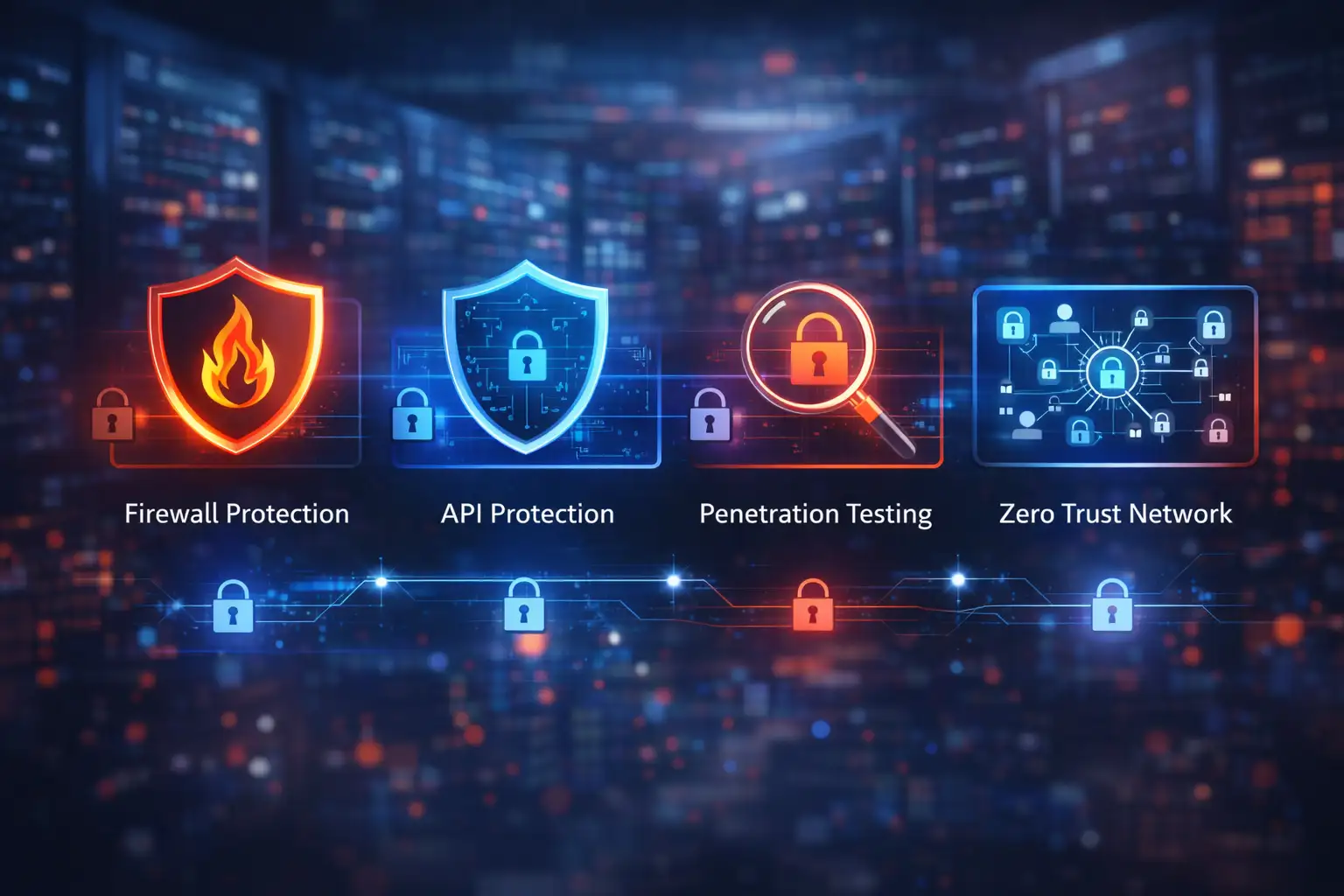
Most companies try to protect themselves using basic firewalls or old school security software. At Hoplon Infosec, we focus on proactive threat hunting rather than simply reacting to alerts after damage is done. While traditional methods wait for a wall to be climbed, modern solutions look for the person even thinking about grabbing a ladder. The Odido data breach 6.2 million customers could have been a very different story if those gaps were caught earlier.
Most large-scale breaches begin with small overlooked vulnerabilities that proactive monitoring could have detected weeks or even months earlier.
What Actually Went Down at Odido?
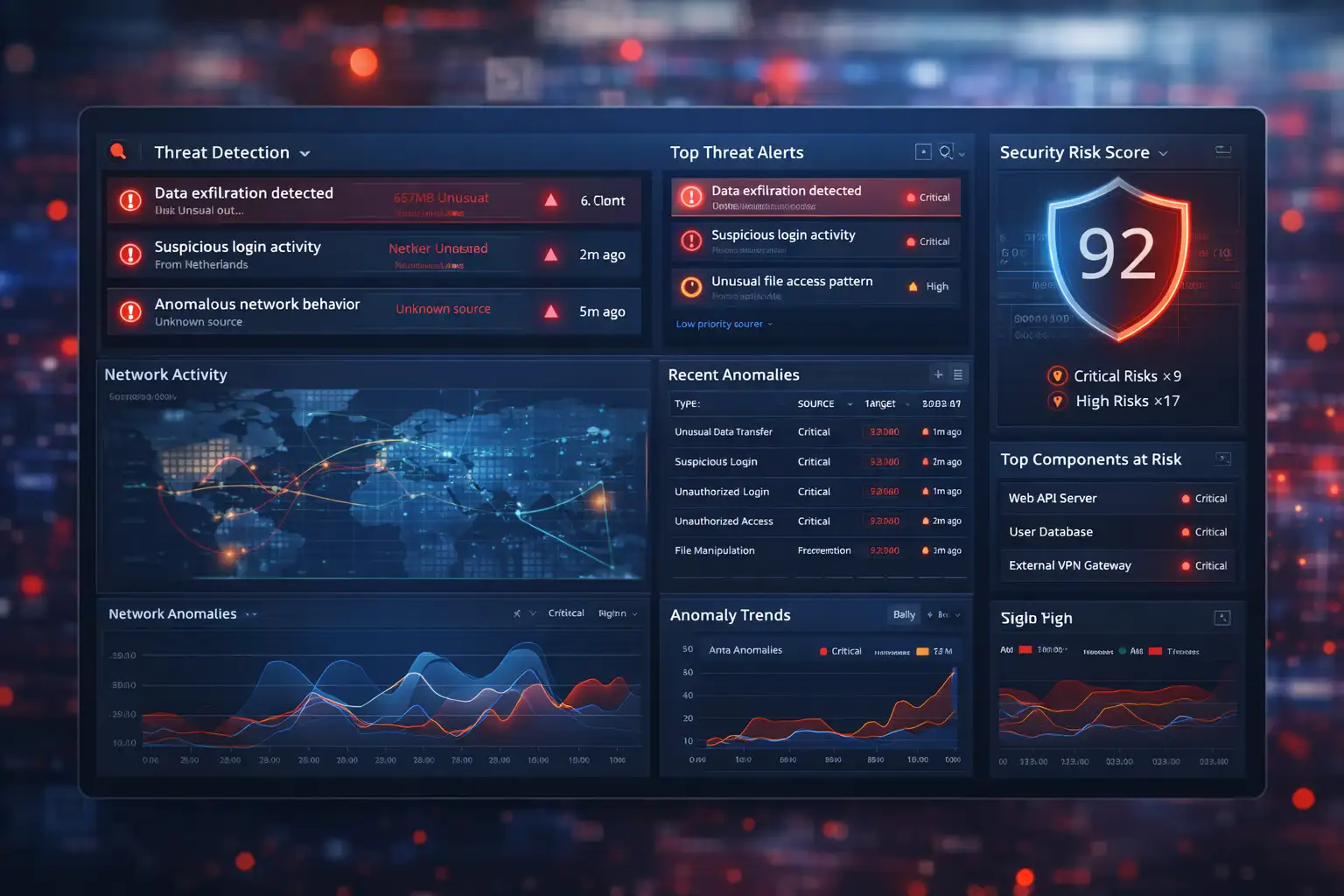
So, let me break down the "what" for you. Odido, which many people in the Netherlands use for their mobile and home internet, found out that hackers managed to get into their systems. It was not a smash and grab job where the website went down. Instead, it was a quiet entry. The attackers found a way to use a specific entry point, likely an API or a third party connection, to snoop around and pull out data.
Breaches involving APIs and third-party integrations are often preventable with continuous monitoring and real-time anomaly detection.
The technical side of it is pretty frustrating. It looks like the hackers exploited a vulnerability that allowed them to bypass the usual "keep out" signs. Because this happened at such a massive scale, it means a huge chunk of the Dutch population just had their personal details leaked. We are talking about names, phone numbers, and addresses. Even if they did not get bank details this time, having your phone number and name in the hands of a criminal is like giving them the keys to your front porch.
This was not a random accident. Cyber criminals often target telecom companies because they are the central hubs of our lives. If a hacker knows who you are and who you talk to, they can craft some very scary and convincing scams. The Odido data breach 6.2 million customers incident shows that even if a company spends millions on branding, one unpatched hole can ruin everything in a few hours.
Why Did This Happen in the First Place?
You might be wondering, "How does a billion dollar company let this happen?" Usually, it comes down to complexity. As companies grow, they connect more and more systems together. Every time they use a new software or a third party partner, they create a new potential doorway. If just one of those doors is left unlocked by accident, someone is going to walk through it. Regular third-party penetration testing helps organizations identify hidden entry points before attackers do.
In the past, security was seen as a "check the box" task. You buy the software, you install it, and you forget it. But hackers are humans too, and they are constantly evolving. They look for the path of least resistance. In the case of Odido, it seems the attackers found a specific technical oversight that had been sitting there, waiting to be exploited. It is a classic case of a company moving fast and perhaps missing a small but vital security patch.
The reality of 2026 is that data is the new gold. Hackers do not just want to break things anymore; they want to steal information because they can sell it over and over again. This breach is a reminder that if you do not treat security as a living, breathing part of your business, you are basically leaving your vault open and hoping for the best.
How These Attacks Usually Work
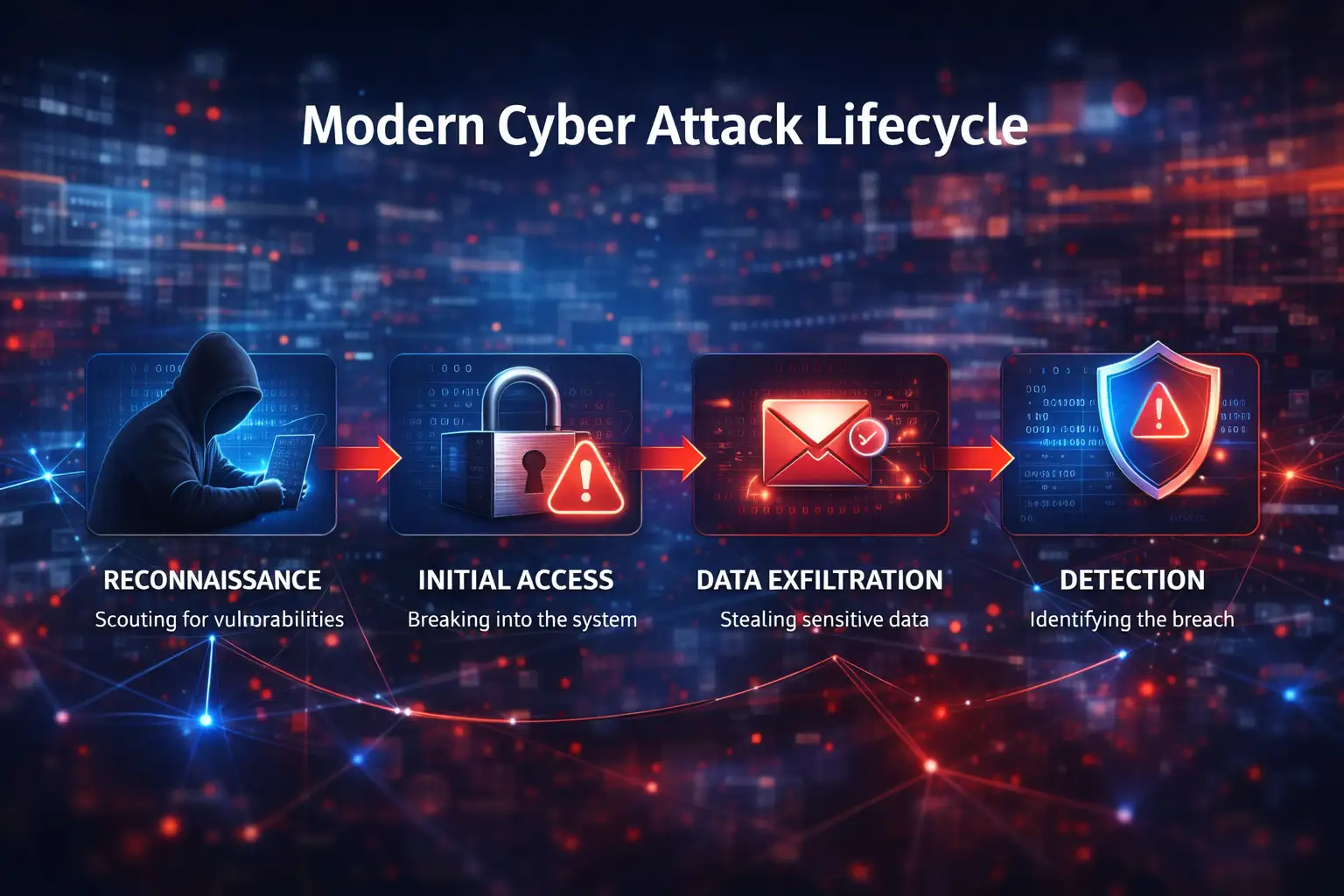
To understand how the Odido data breach 6.2 million customers occurred, you have to look at the mechanics of a modern cyber attack. It usually follows a few sneaky steps:
Reconnaissance: The hackers spend weeks or months just watching the company. They look for employees on LinkedIn or find old server addresses that are still online.
Initial Entry: They find that one weak spot. Maybe it is an intern's password or an old API that nobody uses anymore but is still connected to the main database.
Data Collection: Once they are in, they do not make a mess. They slowly copy data so the security systems do not notice a huge spike in traffic.
The Exit: They move the data to their own servers and disappear before the company even knows they were there.
Continuous monitoring reduces detection time from weeks to minutes, dramatically lowering the scale of potential data loss.
In the Odido situation, the attackers were able to use their access to reach deep into the customer records. By the time the security team noticed something was wrong, millions of records were already gone. It is like someone moving all your furniture out of your house while you are sleeping in the next room.
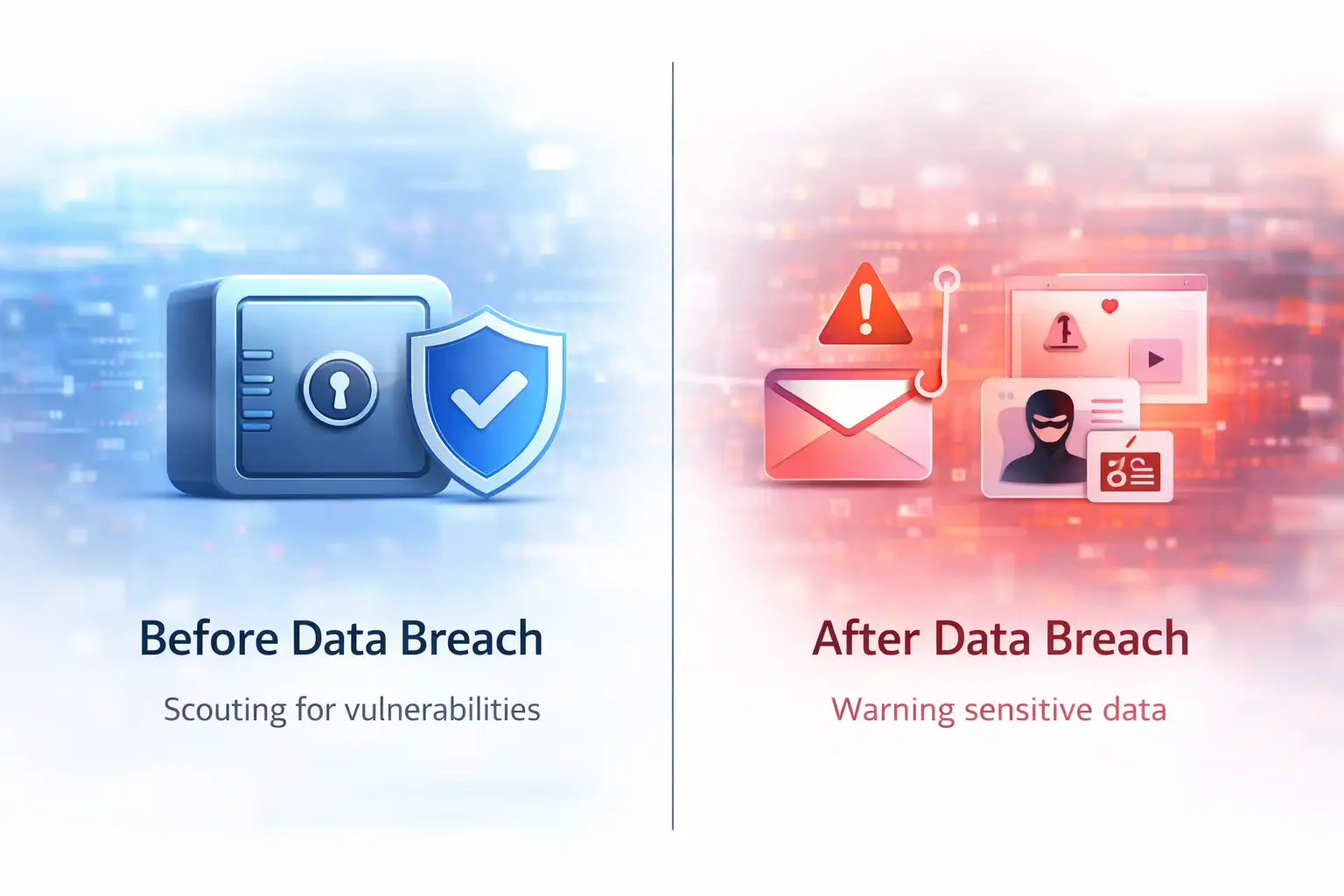
The Real World Impact: Before vs After
Think about your daily life before a breach like this. You get an email from your service provider, and you click it without thinking. You get a text about a bill, and you assume it is real.
After the Odido data breach 6.2 million customers incident, that world of trust is gone. Now, when you get a text, you have to wonder if it is actually Odido or a hacker using your stolen info to trick you.
Before: You feel secure knowing your private data is behind a corporate "vault."
After: You have to change your passwords, monitor your bank accounts, and deal with a flood of spam calls and phishing emails.
Result: The "cost" of the breach is not just a fine for the company; it is thousands of hours of stress for the people whose data was stolen.
Who is Actually Feeling the Heat?
This mess does not affect everyone the same way. We can look at the victims in a few different groups:
The Everyday User: These are the folks who just wanted to watch Netflix or call their mom. Now they are at risk of identity theft and constant scam attempts.
Business Clients: Companies that use Odido for their corporate lines now have to worry if their business secrets or employee contacts are floating around the dark web.
The IT Professionals: Imagine being on the security team at Odido right now. It is a nightmare of forensic cleanup and trying to explain to the board how this happened.
The Regulators: Government agencies are now swooping in to see if Odido followed the law. If they didn't, the fines could be massive.
The Good, The Bad, and The Ugly
Let us be honest about the situation. There is no "good" side to a data breach, but there are some things we can learn.
The Potential "Benefits" (Silver Linings):
It forces the entire industry to wake up and improve their security standards.
It teaches users about the importance of things like two factor authentication.
It creates a push for better laws that actually punish companies for being careless.
The Limitations and Risks:
You cannot "un-steal" data. Once it is out there, it is out there forever.
Smaller companies might struggle to recover from the loss of reputation and the legal costs.
The psychological impact on victims who feel their privacy has been violated can be long lasting.
What Should You Do Right Now?
If you think you might be part of the Odido data breach 6.2 million customers group, do not panic, but do act. First, change your password for your Odido account and any other account where you used that same password. Using a password manager is a life saver here because it helps you create unique, strong passwords for everything.
Next, turn on two factor authentication (2FA) wherever you can. Even if a hacker has your password, 2FA acts like a second lock on the door that they cannot open without your phone. Also, be super skeptical of any emails or texts that ask you to click a link or give out info. If it feels weird, it probably is.
Finally, keep an eye on your bank statements. Sometimes hackers will do small "test" transactions to see if a card works before they go for a big purchase. If you see a charge for a few cents that you don't recognize, call your bank immediately.
Common Questions People are Asking
How do I know if my data was stolen in the Odido breach? Odido should be reaching out to affected customers via email or mail. However, you can also check "Have I Been Pwned" or similar trusted sites that track data leaks.
Can hackers get into my bank account with this info? They cannot get in directly with just a phone number and address, but they can use that info to trick you or a bank employee into giving them access. It is the first step in a larger scam.
Should I cancel my Odido contract? That is a personal choice. While the breach is bad, switching companies might not solve the problem if the next company has similar issues. The best move is to focus on your own security habits.
Is it safe to use my phone for banking after this? Yes, but you should be extra careful. Ensure your banking app is updated and that you are using biometric login if possible.
The Big Picture: What Happens Next?
Modern cybersecurity frameworks now operate on a zero-trust model, where no internal system is automatically considered safe, every action must be verified.
The Odido data breach 6.2 million customers story is a tough chapter for the tech world, but it is not the end of the book. We are going to see a lot more focus on "zero trust" security in the coming years. This basically means that systems will stop assuming anyone is safe just because they are "inside" the network. Every single action will need to be verified.
As we move forward, the relationship between companies and customers will have to change. We cannot just give away our data and hope for the best. We have to demand better protection and be more proactive about our own digital safety. It is a bit of a hassle, but in a world where hackers are always at the door, it is the only way to stay safe.
In the end, this breach is a lesson for all of us. Security is not a product you buy; it is a way of acting. Whether you are a giant like Odido or just someone using a smartphone, staying alert is the best defense you have.
Hoplon Insight Box: Security is not a product you buy; it is a way of acting. A structured security audit today can prevent millions in regulatory fines and long-term customer trust damage tomorrow. We recommend a full audit of your personal and business digital footprint. Start by using a dedicated identity monitoring service and ensure no two accounts share the same password. If you are a business owner, consider an external penetration test to find your own "unlocked doors."
If you are worried about your business or personal data being caught in the next big leak, do not wait until it is too late. Reach out to Hoplon Infosec for a consultation. We help you stay one step ahead of the hackers so you can focus on what you do best. Let us be your digital guard dog.
Author Credibility: This article was written by a senior cybersecurity analyst with over a decade of experience in threat intelligence and data privacy.
For more latest updates like this, visit our homepage.

-20260925120840.webp&w=3840&q=75)