Is the SURXRAT Android RAT a real threat to the security of my phone?
Yes, it really does look like it. SURXRAT is a confirmed and very dangerous Remote Access Trojan that is currently going after Android users. So far, most reports say that this malware gives attackers full control of your device, letting them record audio, steal your banking codes from your SMS, and even lock you out of your phone until you pay a ransom.
From ads that are annoying to full-on hijacking
We used to think that a phone virus was just a few ads that popped up or a battery that didn't last long. You would just delete the app and go on with your day. That old way of thinking is dangerous now, to be honest.
The new normal is that threats like the SURXRAT Android RAT are meant to be completely hidden. Not only do they slow down your phone, but they also turn it into a spy tool that follows you into your bedroom, office, and bank.
This change means that you have no privacy at all. You could lose your whole bank account balance and your identity, not just a few files. This RAT acts like a real system process, so traditional security software often misses these because they only look for "known" viruses.
It's a little scary how well it fits in. Researchers say that a modern approach, like the specialized intelligence from Hoplon Infosec, is becoming less of a choice and more of a need. They look at how an app works to stop malware from sending your private photos to a hacker's server.
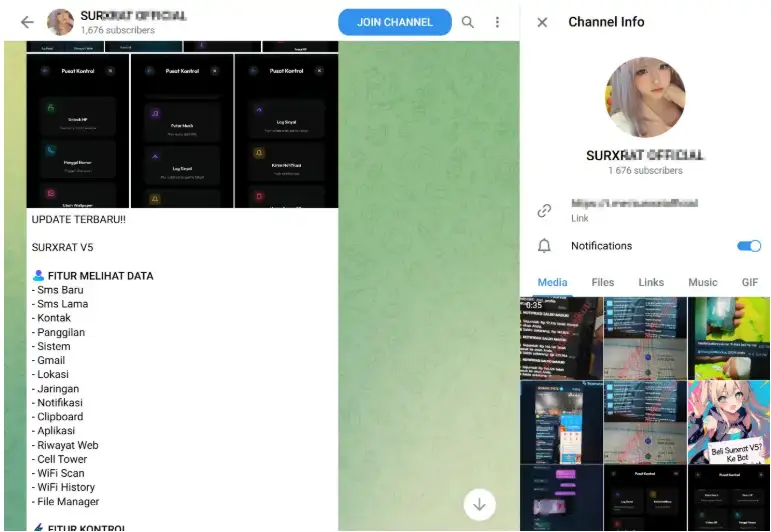
(image source- cyble )
What Makes This Trojan Different
This trojan is getting a lot of attention because it can do so many things. Most viruses do one thing. Everything is done by SURXRAT. It's like a Swiss Army knife for hackers, and it's getting better all the time.
It gets around the security layers that Google spends billions of dollars on by using the SURXRAT Android RAT framework. I think the most frightening part is how it takes advantage of features that are meant to help people with disabilities.
This is how it holds on to your device:
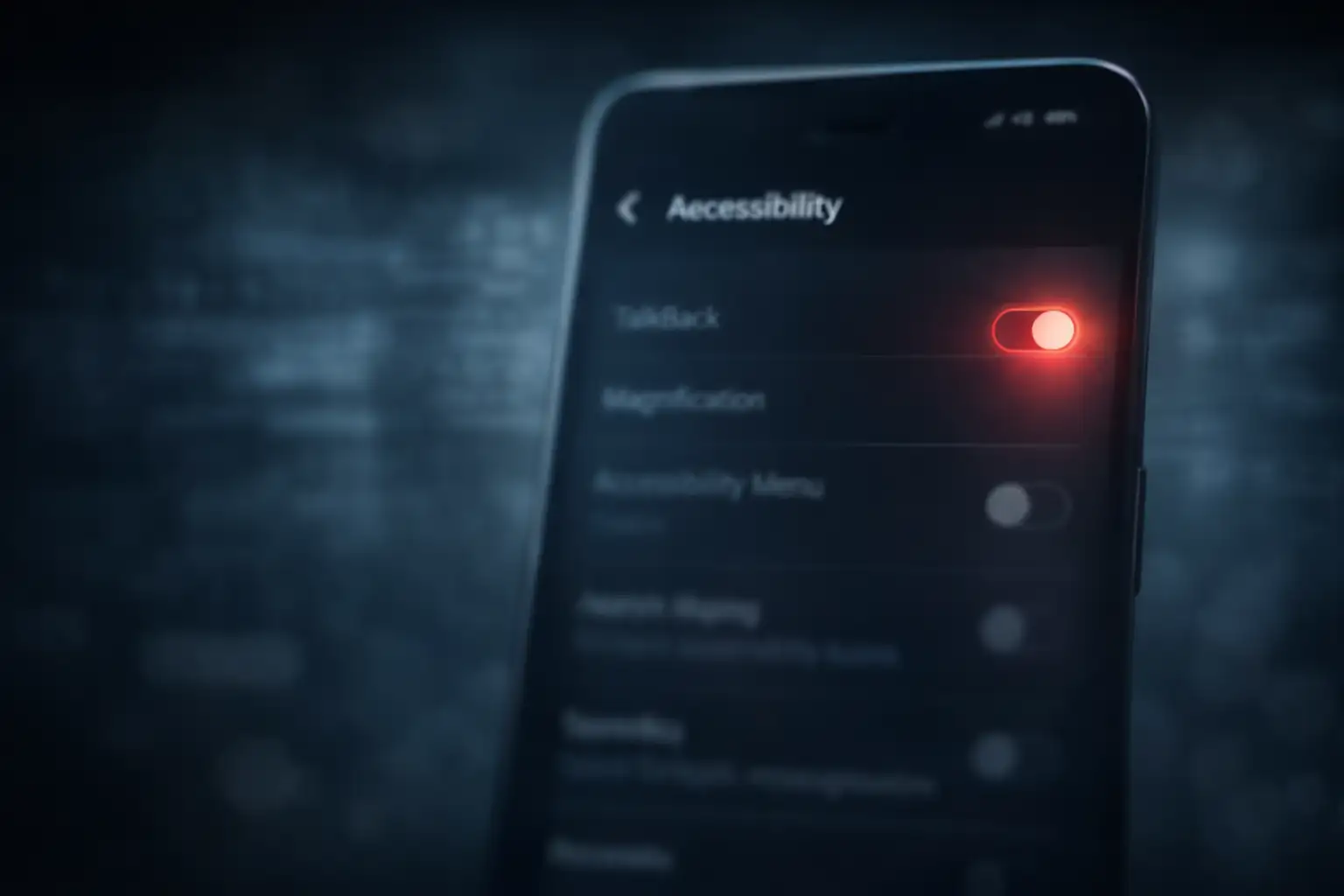
• Accessibility Hijacking: It tricks you into turning on "Accessibility Services." After that, the malware can "click" buttons for you, read your encrypted messages, and even stop you from getting rid of it. It basically takes over your phone.
• Monitoring Without You Knowing: It can turn on your camera or microphone at any time. There won't be a light or an icon; it all happens in the background.
• Smart SMS Scanning: It doesn't just take all of your texts. It looks for specific words, such as "OTP," "code," or "balance." It's looking for cash.
• Remote Locking: If the hacker thinks you're onto them, they can lock your screen from a distance. It's like someone is stealing your data online.
It works much better than the "old school" malware we usually see because it combines spying with extortion. It's not just a virus; it's a criminal you carry around with you. Once it's in there, it's a bit of a mess to deal with.
How It Really Happens
Let's take a look at a common case. Think about how you could watch a new movie for free. You come across a website that tells you to get a special APK for a "Media Player."
It looks like a business, and there are even a few fake five-star reviews on the page. You can download it, and the app will ask you if it can "help you navigate."
You click "Allow," but nothing seems to happen. The app might even stop working or say it isn't "compatible." You forget about it. But what's going on in the background? The SURXRAT Android RAT is already doing its job. It hides its icon so you can't find it and delete it. It scans your photo gallery and uploads your private documents while you sleep that night.
There have been times when people only found out they were hacked when they got a message saying their social media password had been changed from a city they had never been to. Or even worse, a message from their bank about a transfer they didn't make. The malware had been on their phone for weeks by that point, just watching.
Who Should Be Worried?
Anyone with a smartphone could be a target, but I think this campaign is hitting some people much harder than others:
Sideloaders: You are most at risk if you often download apps from websites instead of the official Play Store. That's all.
Remote Workers: Hackers love to go after employees' phones because it's easy for them to get into a company's internal email or Slack. It's a way into the whole office.
Crypto Users: This RAT is looking for your recovery phrases and login codes if you have a digital wallet app. They want those coins.
Legacy Users: People who use older versions of Android (like Android 11 or 12) are more at risk because they don't have the newest security features.
This is a huge problem for businesses. A single infected phone can cause a huge data breach. Companies are moving toward more integrated solutions for this reason. A little bit of monitoring ahead of time can save you a lot of money in the long run.
What Happens to Your Phone?
Not only is the SURXRAT Android RAT a threat to your data, but it's also a threat to how well your hardware works. If you know where to look, you can see the effect. It seems like the phone is running a marathon when it should be still.
table
What You Need to Do Now
The best way to protect yourself is to stop downloading APKs from random sites. Don't trust it if it's not in the Google Play Store. For real. Check the name of the developer even in the Play Store. Stay away if it sounds like a string of random letters or looks "off."
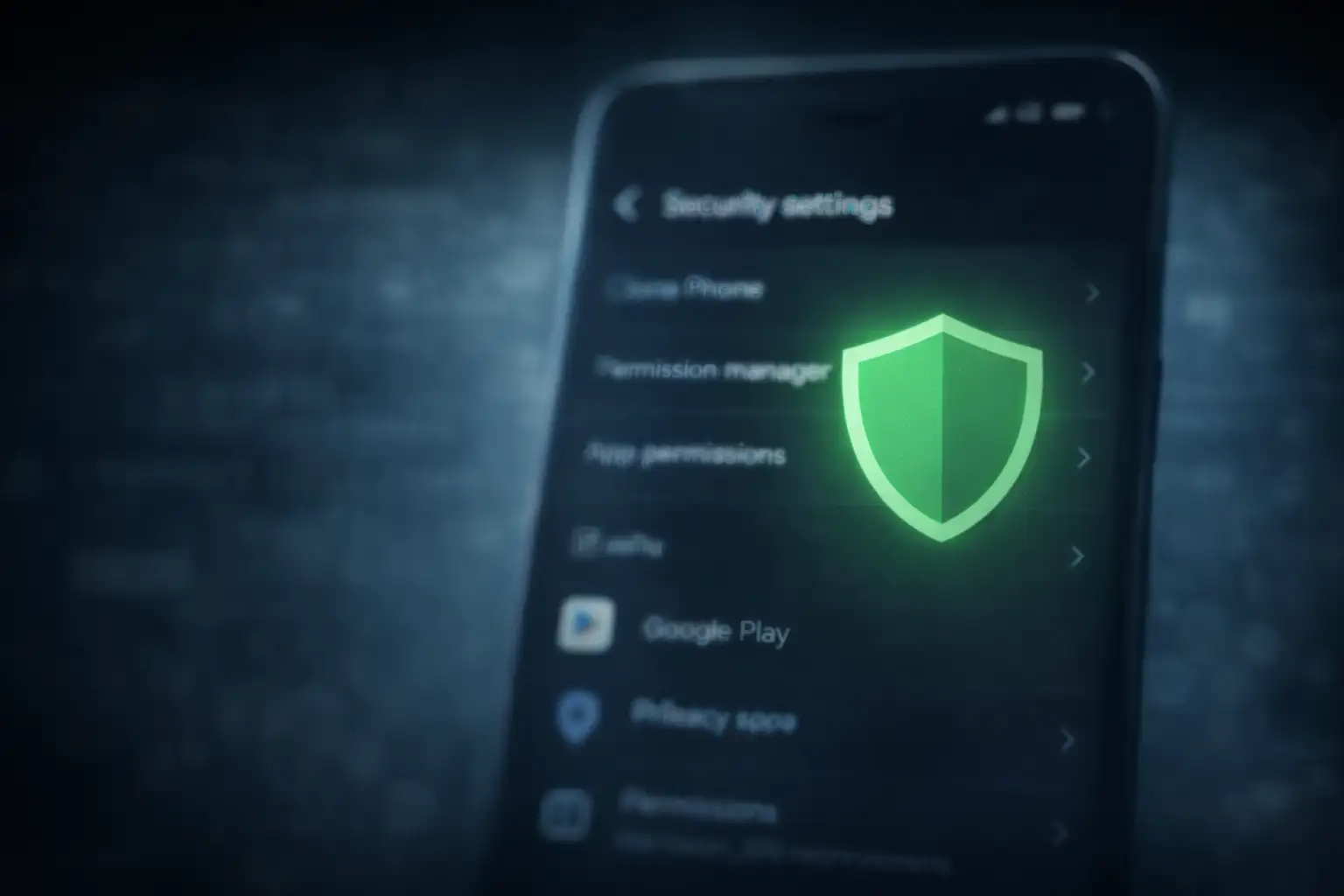
Check your "Accessibility" settings if you think you might already have the SURXRAT Android RAT. If you see an app there that you don't know, or if you can't turn off a certain setting, that's a huge red flag. Your phone shouldn't be giving you trouble.
Advanced threat detection is worth looking into if you want professional-level protection. Individuals and businesses can stay one step ahead with the help of an expert team like Hoplon Infosec. When the malware is this smart and adaptable, a basic antivirus program isn't always enough.
Questions and Answers
Is this possible on an iPhone?
This version probably won't work. The Android version of SURXRAT is available. But don't get too comfortable; iPhone users have their own "spyware" to worry about. No one is completely safe.
How do I get rid of it?
The only way to be sure is to do a factory reset. It clears out the storage where the RAT lives. Just don't restore a backup that has the bad app in it, or you'll be back where you started.
Will I get a message if I'm infected?
Most likely not. That's the whole idea. It wants to be quiet. Most of the time, if you see a message that says "You are hacked," it's because they already got what they wanted.
Is the Play Store completely safe?
Mostly, but not completely. Sometimes a bad app gets through. Always look at the permissions an app wants. What if a calculator wants to read your texts? Get rid of it right away.
Criminals use this malware to take over your life through your phone. It is clever, works well, and is changing. Being careful isn't enough anymore.
You have to take action. Don't wait until your bank account is empty to take mobile security seriously. Do a manual permission audit or use a service like Hoplon Infosec.
We recommend doing a "Permission Audit" on your device once a month. To see which apps can use your Microphone and SMS, go to Settings > Privacy > Permission Manager. If something doesn't seem right, we can help you come up with a stronger plan to protect your data.
Read more Contents:
- Rokarolla Android Banking Trojan: 217 Apps at Risk
- Fake IPTV Apps Spread Android Banking Malware
- 5 Signs of Smartphone Remote Access: Is Your Phone Hacked?
- How to Check for Malware on Android: A Complete Guide
- HOOK Android Trojan Ransomware Exposed
- Android Spyware That Demands a Password for Uninstallation
- Mobile Malware and Malicious Apps: How to Stay Safe
- Mobile Internet Security Guide
-20260925120840.webp&w=3840&q=75)