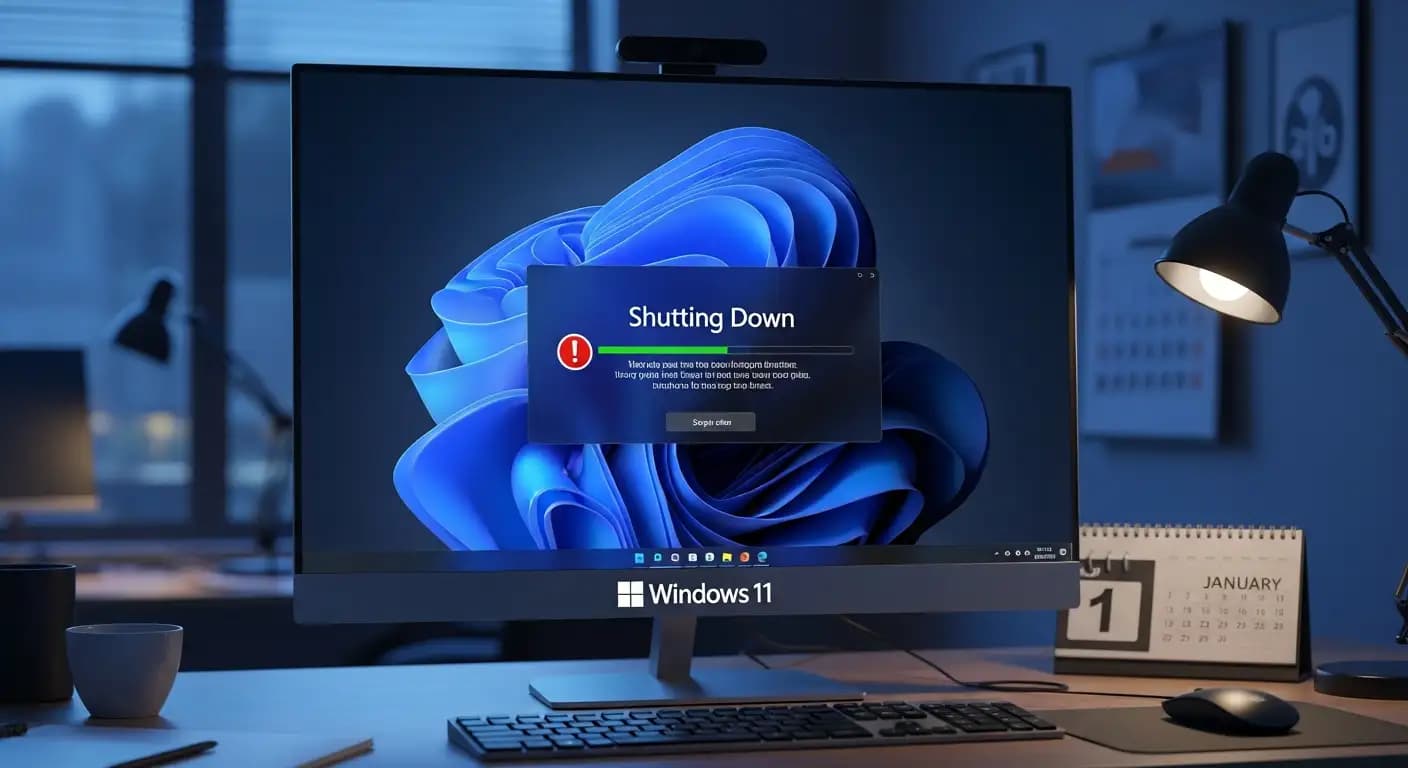
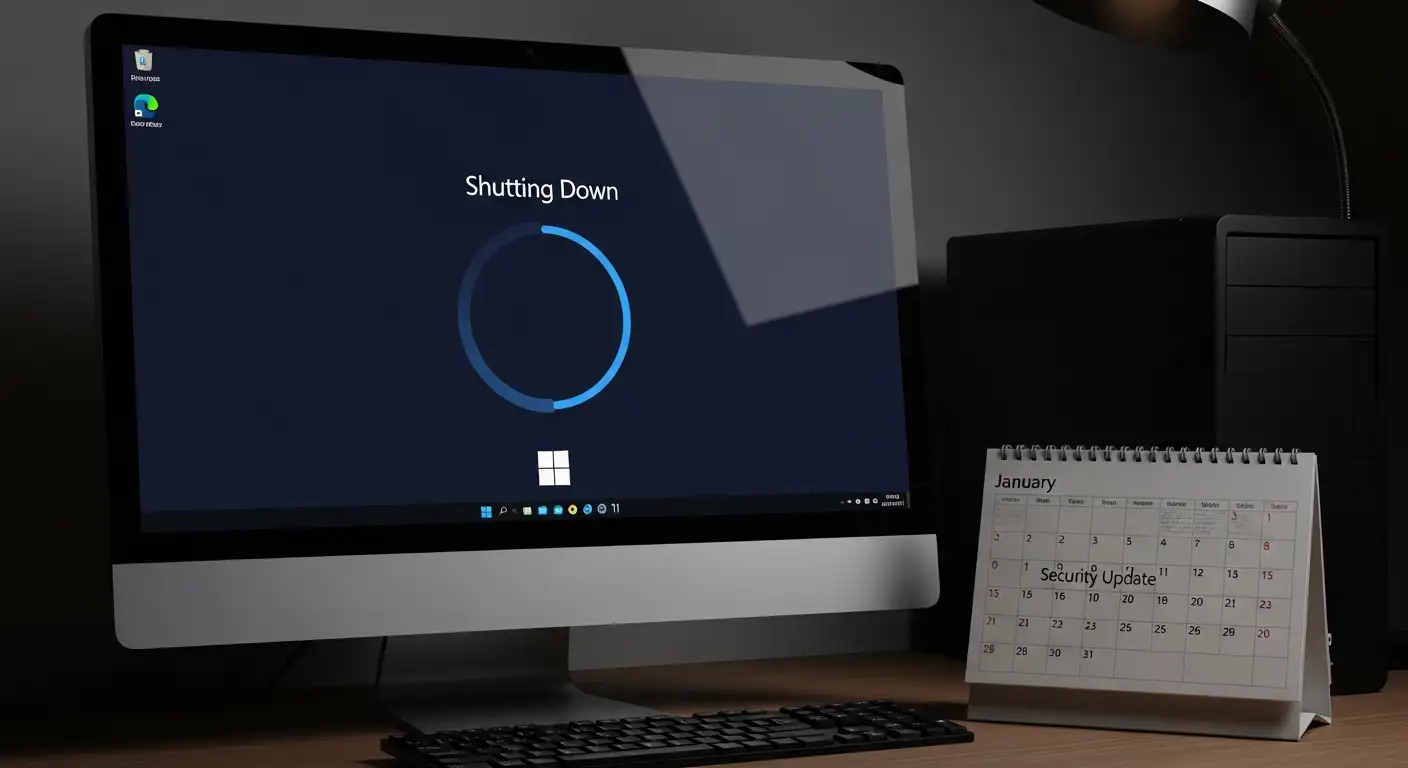
Why don't Windows 11 computers shut down after the January security update, and who is affected? The latest January Patch Tuesday security update (KB5073455) has caused some Windows 11 version 23H2 devices in businesses and the Internet of Things to not be able to finish shutting down or going into hibernation.
This started on January 13, 2026. Instead, the systems restart without warning or stay on. This behavior affects certain setups that use a security feature called System Guard Secure Launch, and Microsoft has given advice while waiting for an official fix.
What Happened to Windows Shut Down? Windows 11 Update Issues
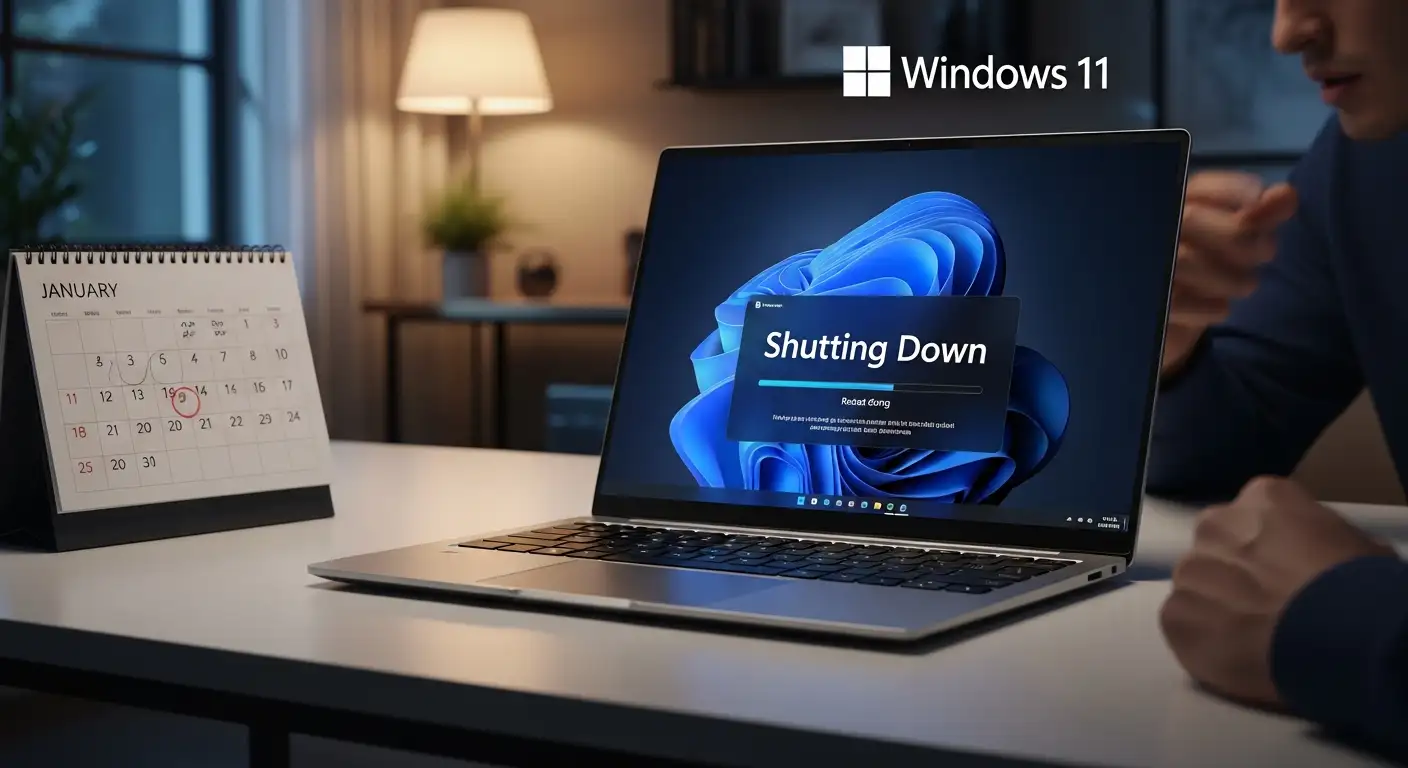
Microsoft released its monthly cumulative security update for Windows 11 23H2, known as KB5073455, on January 13, 2026. This was part of the January Patch Tuesday release, which was meant to fix security holes and make the system more stable. As soon as the rollout was over, both administrators and users started to report that Windows 11 PCs that were affected would not turn off properly when told to do so.
Microsoft said that the problem happens on computers that have a security feature called System Guard Secure Launch turned on. Secure Launch is meant to protect the boot process from low-level threats like rootkits, but in this case, it doesn't work well with the update. If a user tries to shut down or hibernate a device that is affected, it will instead go through a restart cycle or stay on as if nothing happened.
This failure to shut down is not caused by a problem with the hardware or something the user did. It shows up after the security update is installed and has to do with how the system handles transitions between shutdown states when Secure Launch is turned on.
Who Is Affected by the Windows 11 Shutdown Problem?
Not all Windows 11 PCs have this problem with shutting down after an update. Based on information that has been checked:
• Most of the time, the problem has been seen on devices running Windows 11 version 23H2.
• Most reports are about the Enterprise and IoT editions, where Secure Launch is more likely to be turned on by default.
• It seems less likely that the Consumer Home and Pro versions of Windows 11 will be affected because this security feature is usually not turned on by default in those versions.
• The problem doesn't seem to directly affect Windows Server platforms when it comes to how they shut down.
Because of this, the shutdown problem depends on how the system is set up and is most likely to happen in corporate or managed IT settings where strict security settings are in place. Microsoft has not said how many devices are affected.
Why This Problem with the Windows 11 Update Is Important
One of the easiest things to expect from a computer is that it can shut down. When you click "Shut down," the computer turns off. When that simple task doesn't work, it can lead to real-world problems with work, maintenance, and power use.
If you use hibernation to save battery life on your laptop, it might reboot instead of going into a low-power state, which could drain the battery faster overnight. In enterprise settings where patching, imaging, and maintenance are done automatically based on how often the computer needs to restart and shut down, workflow can be disrupted.
From a security operations point of view, machines that don't completely shut down are more vulnerable to threats when they are not being watched. This update was supposed to make things safer, but the way the cumulative patch and Secure Launch work together has made things riskier instead.
Technical Background: States for Secure Launch and Shutdown
Knowing how Secure Launch works and how shutdown works can help you understand why this Windows 11 power-off bug happens:
Guard for the System Secure Launch is a Windows feature that uses virtualization-based protections to make sure that only trusted boot files are loaded. It is one of many security features (Virtualization Based Security) that help protect against attacks on firmware.
When you shut down normally, the operating system tells all active services to close, saves any data that hasn't been saved yet, and then turns off the hardware interface. When Secure Launch is turned on, the shutdown process includes extra checks related to virtualization. This is where the regression seems to happen.
Secure Launch and the patched code in KB5073455 stop the normal shutdown process instead of finishing the power-off sequence. This causes a restart cycle or a refusal to fully power down.
Not all versions of Windows 11 are affected by this problem because Secure Launch isn't always there or turned on by default for consumers. That's why most regular users might not notice this behavior right away.
Confirmed Temporary Fixes and Workarounds
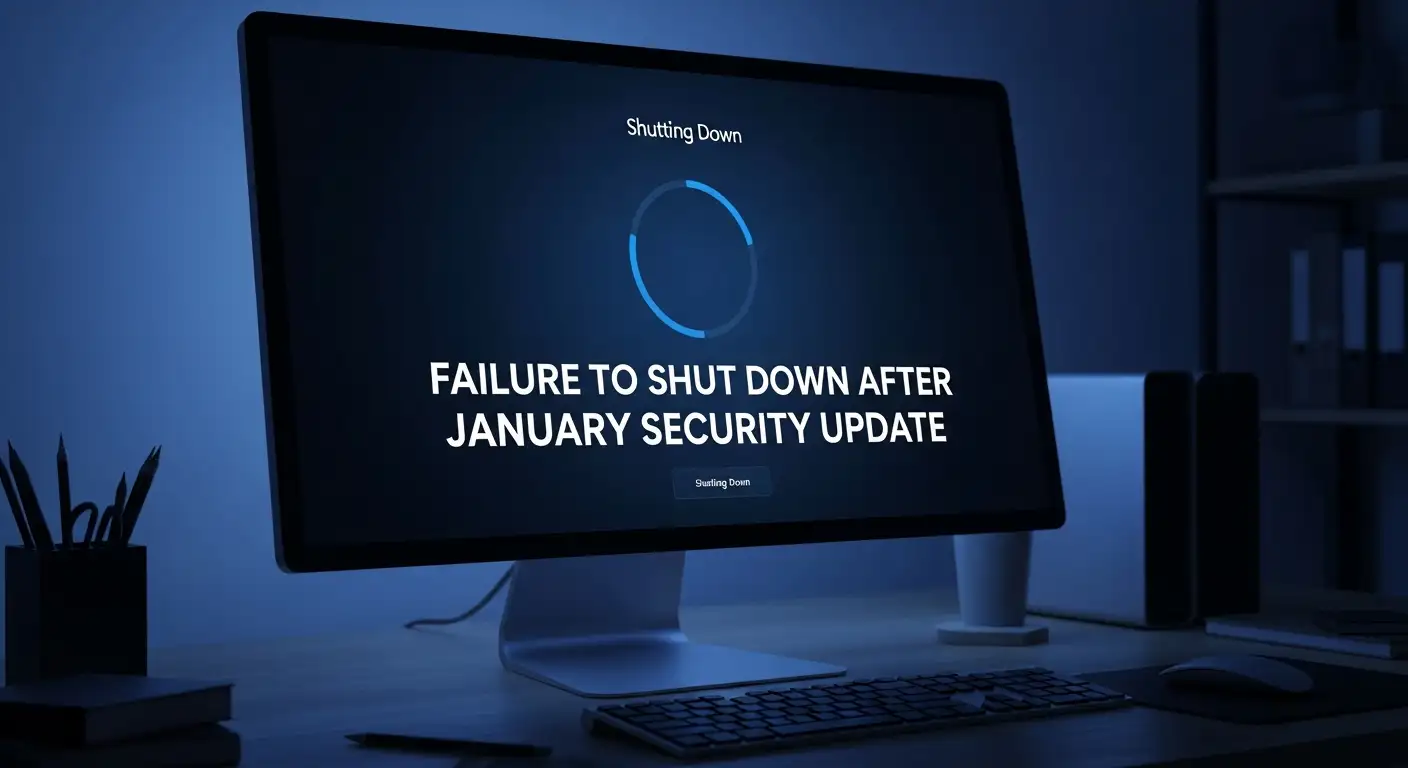
Microsoft has released instructions that can help people who are having trouble with the shutdown issue:
• Using Command Prompt to force a shutdown:
Run this command in Command Prompt with administrator rights:
• shutdown /s /t 0
This tells Windows to shut down right away and skips the normal GUI shutdown path that might cause the bug.
• Turning off Secure Launch:
Some IT managers in businesses have said that turning off System Guard Secure Launch through Group Policy can bring back the ability to shut down. This could lower the protection of firmware hardening, so it should only be used where the organization's security policy allows it.
• Power off by hand: Some users have had to hold down the power button to turn the machine off. This is not a good idea to do all the time because it could stop open tasks or even corrupt data.
There is no known way to get around hibernation mode in the affected configurations right now. Microsoft says that users should save their work often and not use hibernation until the problem is fixed.
Official Response and Steps Taken to Fix It
Microsoft has made the problem public on its Windows Release Health dashboard and said that a future cumulative update will fix it. At the time of writing, the exact date of release for this fix was not known.
On January 17, 2026, the vendor also released emergency updates to fix problems with Remote Desktop and Outlook Classic functionality. This suggests that they are still working to make the January 2026 Patch Tuesday updates more stable.
Microsoft has not yet released a detailed technical root cause analysis that explains why the Secure Launch interaction causes this behavior, even though a fix is in the works. That information may come out once the fix is available to everyone.
Reports and Experiences from Real Users
IT administrators have written about their experiences on forums and social media, which show how common and different the symptoms can be:
• When you click "Shut down" on some corporate laptops, they just restart with no error message and no sign of progress toward shutting down.
• A few users said that even the command-prompt forced shutdown couldn't stop a restart loop completely, so they had to hold down the power button.
• Some people have found that disabling wake-on-USB in BIOS has helped them, but this is not an official Microsoft procedure and may not work for everyone.
These stories show how Windows runs on a wide range of hardware. Until Microsoft provides a complete solution, experiences may vary across different machines.
What Users Can Do Now
If you or your IT team are having trouble shutting down Windows 11 after the January update:
1. Check the version of Windows: Make sure your computer is running Windows 11 version 23H2, and that Secure Launch is turned on.
2. Use Command Prompt to Shut Down: If a normal shutdown doesn't work, use shutdown /s /t 0 to turn off the computer.
3. Keep an eye on Microsoft's Windows Release Health dashboard for news about a fix.
4. Get help from IT: If you work in a managed environment, talk to your IT department or a reliable Windows 11 troubleshooting service.
Questions that are often asked
After the January update, why doesn't Windows 11 shut down properly?
Some Windows 11 installations have a security feature called System Guard Secure Launch that interacts with the security update KB5073455. This stops normal shutdown or hibernation and instead causes restarts.
Is it safe to use the command prompt to force Windows 11 to shut down?
Yes, Microsoft suggests that you run shutdown /s /t 0 as a temporary fix to make sure your computer turns off. However, this is only a temporary fix until an official fix comes out.
Does this have an effect on all Windows 11 PCs?
No, it mostly happens on Windows 11 version 23H2 Enterprise and IoT editions with Secure Launch turned on. Home and Pro, which are consumer editions, are not often affected.
When will the problem be permanently fixed?
Microsoft has said that a future update will fix the bug, but as of January 18, 2026, they have not said when that would happen.
Last Thoughts
This Windows 11 update problem shows how even normal security updates can cause strange things to happen on your computer when you use advanced protection features like Secure Launch. For users who are affected, knowing what caused the problem and using verified workarounds can help lessen the impact. Keep an eye out for Microsoft's next cumulative update, which will fix the problems with shutting down and hibernating.




-20260925120840.webp&w=3840&q=75)