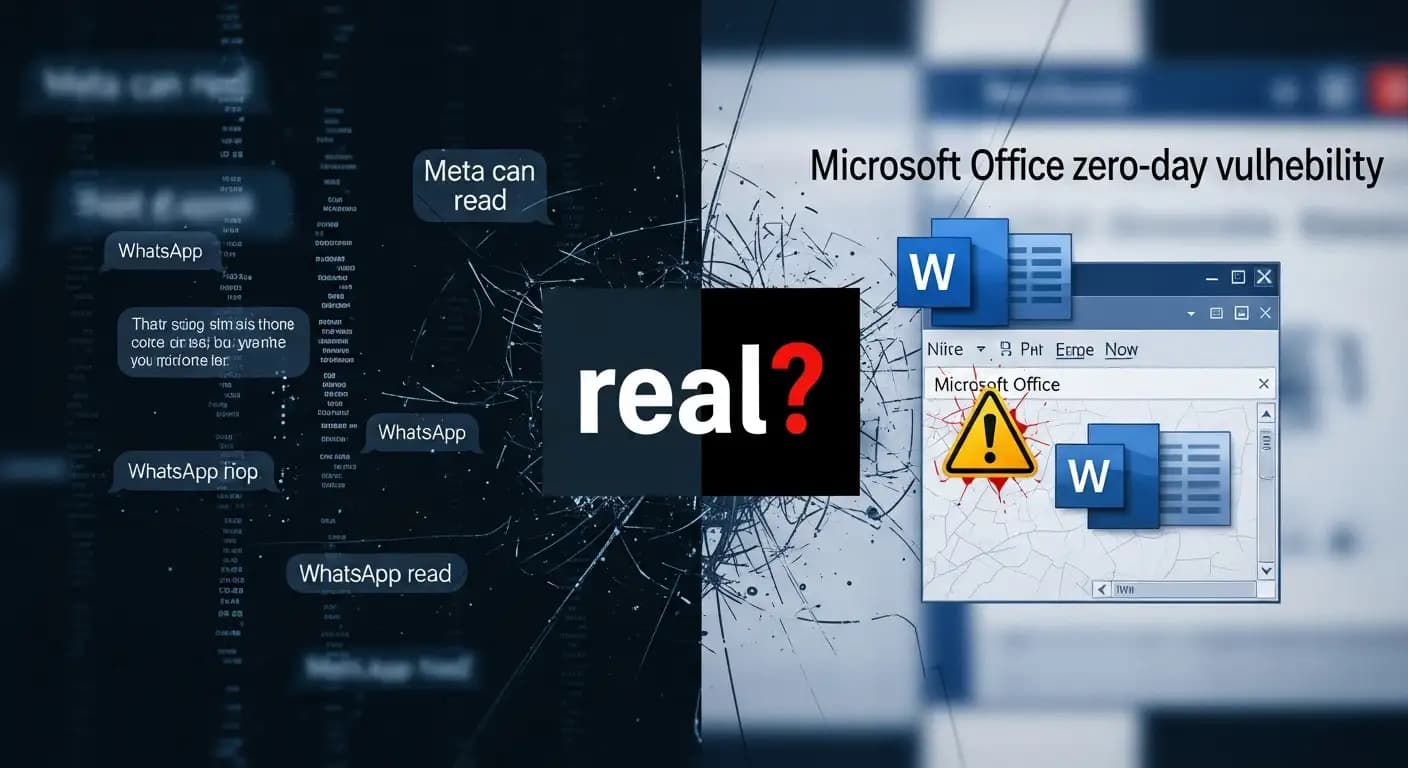
Is Microsoft Office Zero-Day Vulnerability Real, and are people really at risk right now?
You're not the only one who got a lot of warnings about a Microsoft Office zero-day in your inbox, LinkedIn feed, or Slack channels all of a sudden. Headlines in the last few days have said that attackers are actively using Office documents to attack people, which has made businesses, freelancers, and everyday users very worried.
People keep searching for the phrase "Microsoft Office zero-day vulnerability real" for a reason. People want to know what's going on, not freak out. They want to know if this is a real threat or just another case of rushed reporting that gets worse before it can be checked out.
This article explains what is known, what is still not known, and why these stories spread so quickly. We will separate what is known from what is not known, explain how to judge zero-day claims, and help you decide whether you should be worried or just stay informed.
What Are People Saying About the Microsoft Office Zero-Day?
Recent blog posts and news summaries suggest that hackers may be using a flaw in Microsoft Office that was not known before to run harmful code through documents. Some versions of the story talk about phishing emails, others talk about Word files that have been turned into weapons, and a few even say that a lot of people are being exploited.
This is where things start to get hard.
This event is best described as a Microsoft Office zero-day unverified report at the time of writing. There is no CVE identifier that has been made public. There has been no emergency patch released. Microsoft has not sent out an official security bulletin to confirm that the exploit is still being used.
That doesn't mean the claim is always false. It means that the process of checking is still going on.
_compressed-20260127073059.webp&w=1080&q=75)
A Simple Explanation of Microsoft Office Zero-Day
Let's take a step back and talk about what people mean when they say "zero-day" before we go any further.
It's easy to understand what a zero-day vulnerability is. It means that the software vendor doesn't know about a security hole when attackers find or use it. The vendor hasn't had any time to fix it.
In the real world, a true zero-day usually sets off several events:
• A security advisory from Microsoft
• Quick confirmation from several independent researchers
• Technical indicators like crash logs or exploit samples
• Clear instructions from Microsoft on how to fix the problem
In this case, none of these signals has fully shown up yet.
Why rumors about Microsoft Office exploits spread so quickly
You can find Microsoft Office everywhere. Companies depend on it. It is used by governments. Every day, students open Word files without thinking about it.
That makes threats related to the office very scary.
Fear spreads quickly when a report says that attackers can get into systems by just opening a document. When you add social media amplification and AI-generated summaries, a rumor about a Microsoft Office exploit suddenly seems like a fact.
This isn't a new pattern. In the past, there have been many times when early reports turned out to be misunderstandings, misconfigurations, or limited proof-of-concept tests instead of real attacks.
What Cybersecurity Does for False Alerts in Today's News Cycles
One uncomfortable truth about security journalism is that false alarms about cybersecurity are becoming more common.
Not because researchers are careless, but because the ecosystem changes too quickly. Before peer review, blog posts are published. Social media rewards speed over accuracy. Headlines are made to get clicks, not to be careful.
In this case, early summaries used the term "active exploitation" without providing any evidence that could be checked by the public. That by itself doesn't prove misinformation, but it should make careful readers suspicious.
What Microsoft Has Said So Far
Microsoft has not yet sent out a confirmed alert about this claim that there is active exploitation going on. There are no emergency patches other than the ones that come out on Patch Tuesday. There is no confirmed advisory about this exact situation.
That silence means something.
When Microsoft confirms a zero-day, the response is usually quick and public. The fact that there is no confirmation means one of the following:
• The problem is still being looked into.
• The reports are either wrong or blown out of proportion.
• The vulnerability is real, but it can't be used on a large scale.
A lot of analysts call the story "Microsoft Office vulnerability misinformation" until they can prove otherwise because of this uncertainty.
The Real Way the Exploit Verification Process Works
Security holes don't become official right away
The process of checking for exploits usually includes:
1. Reproducing the exploit on your own 2. Checking the impact in a technical way
3. Working with the vendor
4. Giving a CVE number to the assignment
5. Public notice or advice
The claim is still not verified if any step fails. That's where we are now.
Knowing how this works helps explain why some scary stories fade away after a while.
Is Microsoft Office Zero-Day a Problem Right Now?
This is the question that gets the most searches, and it needs a calm answer.
If you're wondering if you should be worried about the Microsoft Office zero-day, the honest answer is to be careful, not panic.
Right now, there is no proof that normal users are being widely exploited. There is also no solid proof that just opening a regular Office file will put a fully patched system at risk.
That said, it's always important to practice good security hygiene. Update your system. Be careful with attachments that you didn't expect. These steps keep you safe from both real and fake threats.
How to Look at Official Microsoft Vulnerability Reports
A lot of people want to know how to read official Microsoft vulnerability reports without using summaries from other people.
It's easy to see that the safest way is
• Go to Microsoft's official Security Response Center.
• Look for CVE references.
• Read the Patch Tuesday disclosures.
• Check with trusted security vendors.
If a zero-day is real and bad, trusted sources will clearly and repeatedly say so.
Why Microsoft Office Zero-Day Claims Are Going Viral
The question of why Microsoft Office zero-day claims spread has more to do with psychology than with technology.
People are scared of security threats because they seem invisible and out of control. People feel exposed when you add that to working from home, using cloud documents, and sending and receiving emails all the time.
Even responsible writers sometimes make early claims sound bigger than they are. It's hard to stop a story once it's out.
What to Do When You Can't Confirm Zero-Day News
So, what should you do if you hear about a zero-day event but can't confirm it?
The answer is boring but works:
• Don't send panic alerts;
• Wait for official confirmation;
• Install updates as soon as they come out;
• Only read security news from trusted sources;
Attacking people who overreact is better than defending them.

When a "Zero-Day" Wasn't What It Looked Like
A macro misconfiguration that was widely shared as an Office vulnerability in 2023 was only used in old systems. Early reports said that a lot of people were using it. Subsequent analysis revealed minimal impact.
That case shows us why it's important to be skeptical.
Frequently Asked Questions: What Other People Want to Know
Is it now dangerous to use Microsoft Office?
There is no proof that Office is unsafe when it is fully updated.
Has Microsoft confirmed that active exploitation is going on?
There has been no official word yet.
Can attackers get to my files through this hole?
That claim has not been proven.
Should companies do something right away?
At this time, normal security measures are enough.
Useful Tips
Hoplon Cyber Insight:
• Stay calm and informed.
• Check before you share.
• Trust official disclosures.
• Be careful with claims that aren't verified.
• Don't be afraid; focus on the basics.
Final Thoughts
So, is there really a zero-day vulnerability in Microsoft Office?
The most responsible answer right now is that the claim has not been proven. That doesn't mean it's impossible. It means not finished. Evidence, not headlines, is what makes security work. This story should be put in the "cautionary monitoring" category until Microsoft or trusted researchers confirm that it is being actively used.
Stay in the loop. Be skeptical. And most importantly, stay grounded.