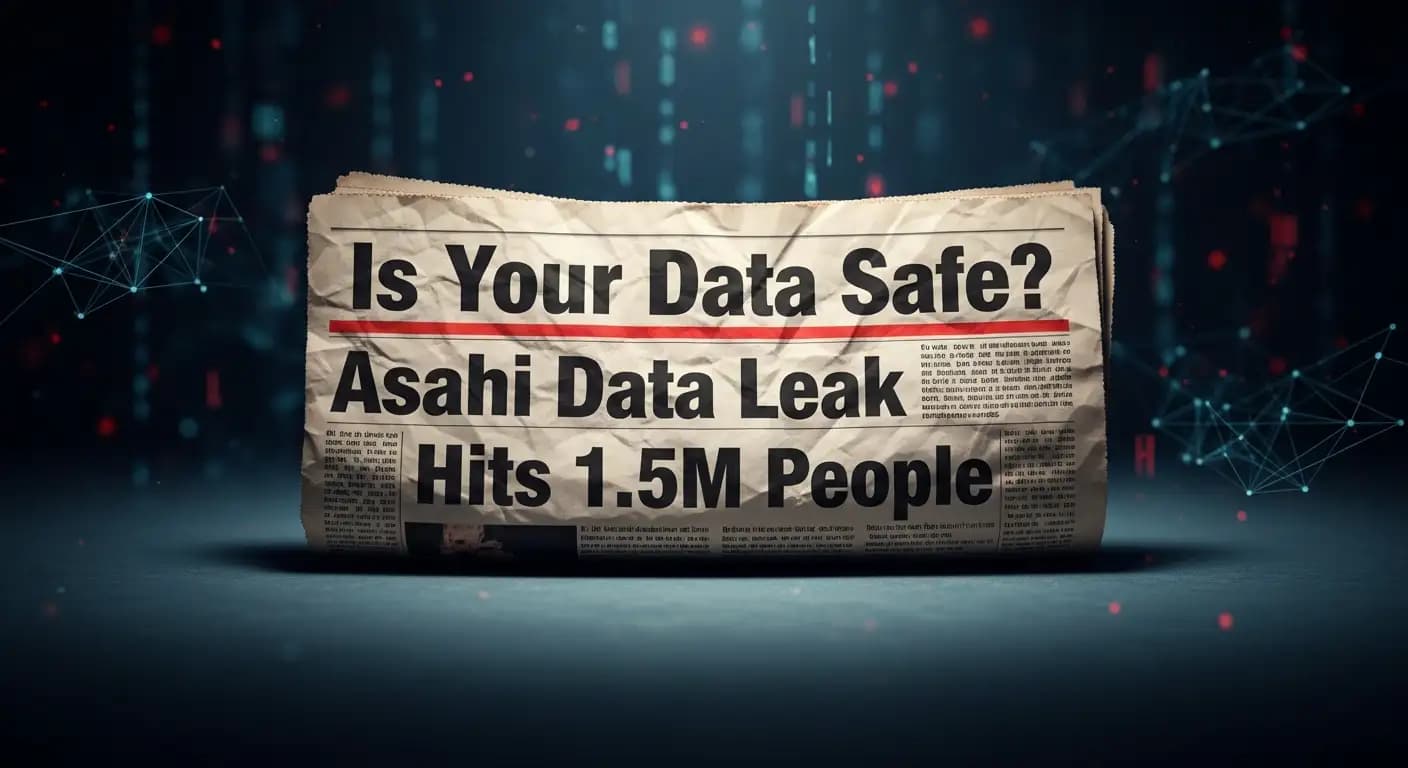
On September 29, 2025, Asahi’s internal systems were hit by a ransomware attack. Servers, order-processing systems, shipping infrastructure, and customer call centers all went offline after the breach.
Because the digital pipeline collapsed, Asahi had to resort to manual order and shipment processing, using phone, fax, and handwritten orders, just to keep some supply moving.
As a result, most of its 30 Japanese factories suspended operations initially. Even though production restarted in some breweries weeks later, the supply chain remained badly hampered.
Asahi data breach: what was exposed (or possibly exposed)
According to Asahi’s public disclosures, the personal data of about 1.52 million customers may have been compromised.
Beyond customers, data tied to 114,000 external contacts (e.g., business partners), plus 275,000 current or former employees and their families, might also have been exposed.
At present, Asahi says none of the leaked data has appeared publicly online, but investigations are ongoing.
The group behind the attack, known as Qilin ransomware, claimed responsibility.
Asahi has confirmed this was a ransomware attack and has refused to pay any ransom.

Timeline to recovery: what “restore logistics by February” really means
As of early October 2025, Asahi began partially resuming production in six breweries and gradually restarting shipments.
According to the company, while production lines are up, its digital logistics, order processing, automated shipment, and customer service systems remain suspended or impaired.
Asahi now says it expects to normalize most logistics operations by February 2026, although it cautioned that not every single product may be ready for shipping by then.
The company is proceeding carefully; recovery has to avoid reinfection, ensure data security, and rebuild its order/delivery workflows before full normalcy. External cybersecurity experts are involved, and Asahi has submitted a report to Japan’s data-protection authorities.
What this means in practice: for customers, retailers, and public trust
Because of the outage, many restaurants, bars, supermarkets, and convenience stores in Japan reported shortages or “sold-out” status of Asahi Super Dry and related beverages.
Retailers and clients found themselves waiting longer for deliveries; shipment delays became common as manual processing replaced automated systems. The data breach, though not yet shown to have been abused, raises concerns over personal information exposure. This can erode trust among customers and business contacts.
Because the company postponed its third-quarter financial results and hinted at a deterioration of 2025 performance, investors and stakeholders may worry about the long-term impact, even if the core brand remains strong.
Lessons and broader context: why this matters
This incident highlights how vulnerable even large, established companies with long histories (like Asahi) remain when it comes to cybersecurity. Relying heavily on legacy systems without robust defense can lead to supply chain disruption, reputational damage, and theft of personal data.
Many industry experts view the attack by Qilin ransomware as part of a rising global trend; corporate targets are increasingly exploited not just for ransom but for maximum disruption, supply-chain damage, and data exposure. For customers and retailers, this serves as a reminder: interruptions can ripple fast through everyday supply chains, not just for beer but also for beverages, food, and soft drinks, and lead to shortages, delivery delays, and uncertainty.
For companies, the need for strong cybersecurity measures, regular backups, compartmentalization, and disaster-recovery planning is more urgent than ever.

Example: The pub owner’s dilemma
Imagine a small izakaya pub owner in Tokyo. On October 1st, her regular Asahi Super Dry deliveries stop coming; the suppliers say their systems are down. She switches to other beer brands to meet demand. By mid-November, the backlog remains. She places a phone order but waits days for confirmation.
Her customers start complaining: “Where’s our Super Dry?” Some even go to other bars. By February, maybe Asahi logistics will be back, but in the meantime, she’s likely lost regulars and revenue.
This kind of ripple effect shows how deeply a cyberattack and supply disruption can hit everyday business, beyond corporate headlines.
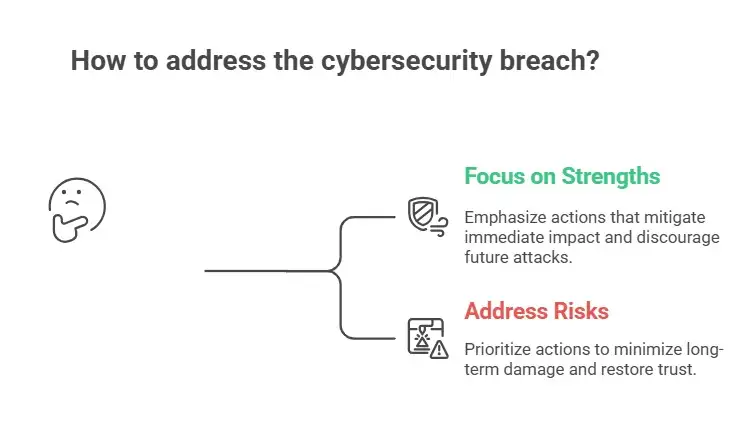
Key insights
Strengths
Asahi did not give in to the ransom demand, which discourages attackers from monetizing the breach.
The company began partial production and manual order/shipment processing early, helping soften the blow and prevent total shutdown.
Asahi is working with external cybersecurity experts and notifying data-protection authorities, indicating seriousness about remediation and transparency.
Risks
Supply chain disruption remains significant; not all products will be back by February, and shipment delays may continue even then.
Personal data exposure of over a million customers, contacts, employees, and family members, even if not yet published, remains a serious breach of trust.
Financial results are delayed and expected to worsen, which may impact investor confidence, company strategy, and even future operations.
Long-term damage to brand reputation is possible, especially if more data leaks or misuse emerge.
Frequently Asked Questions
Q: When did Asahi suffer the cyberattack?
A: The attack took place on September 29, 2025.
Q: How many people were affected by the Asahi data breach in 2025?
A: Around 1.52 million customers, plus 114,000 external contacts, and 275,000 current or former employees and their families may have been exposed.
Q: Which systems at Asahi were disrupted?
A: Order processing, shipment/delivery systems, and customer support (call centers), among others.
Q: Has Asahi paid the ransom?
A: No. Asahi confirmed that it has not paid any ransom.
Q: When will Asahi shipments return to normal?
A: The company expects to restore most logistics operations by February 2026, though full product availability may lag.
What To Watch
The Asahi cyberattack and resulting disruption, from supply chain halts to a massive potential data leak, offer a stark reminder: even global brands are vulnerable to ransomware and logistical collapse when IT infrastructure fails. The company’s goal to restore logistics by February 2026 brings hope, but “restore” will not mean “business as usual” overnight.
If you are a customer, retailer, or just observing, keep an eye on official updates from Asahi. If you receive any notification that your personal data may have been exposed, treat it seriously. Companies will likely talk more about remediation in the coming months.
In a world where supply chains, consumer trust, and cyber-risk intersect, this incident stands out, not just because a beer shortage hurts, but because it underscores the hidden fragility of systems we rely on every day.
You can also read these important cybersecurity news articles on our website.
· Apple Update,



-20260925120840.webp&w=3840&q=75)