Is it possible for attackers to get around macOS's Transparency, Consent, and Control protections and run commands and steal sensitive data without the user seeing any prompts?
Yes, this important bypass was shown to be real with exploit code and written about by researchers. Apple has released patches to fix it.
This article gives a full analysis of the macOS TCC bypass and explains why it is a serious threat to macOS privacy, how the core TCC framework works, how it affects users and businesses in the real world, and how businesses can protect themselves.
Getting to Know the TCC Framework
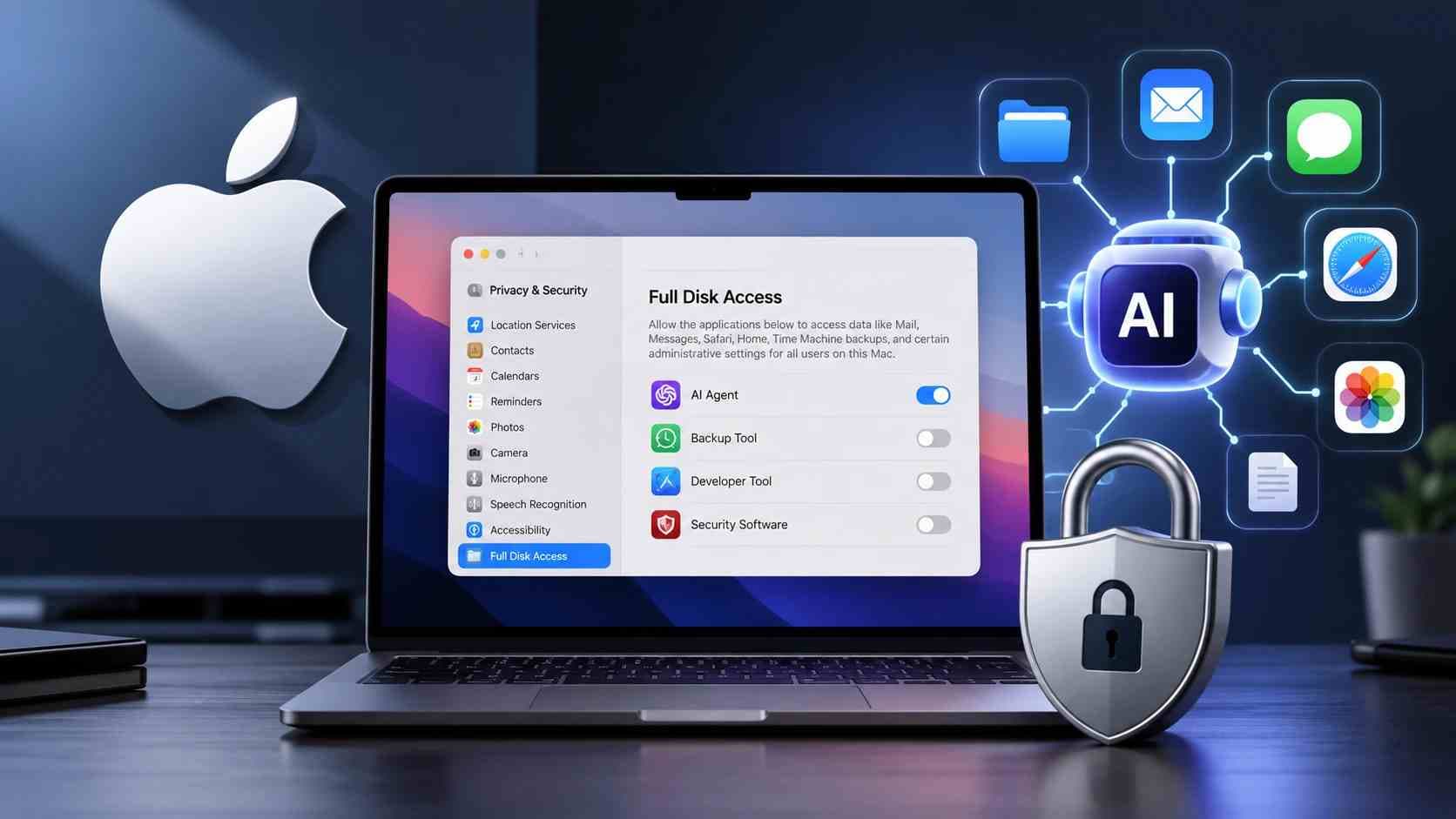
The Transparency Consent and Control system is the main way that macOS decides if apps can access sensitive resources. This includes your camera, photos, microphone, and other private information about you. When an app asks for access, TCC makes the user approve it. When an app asks for Full Disk Access or Contacts, this is what most macOS users see.
What is TCC for macOS?
TCC, which stands for Transparency, Consent, and Control, is what controls macOS privacy settings. Its goal is to make sure that the end user clearly says yes or no to any request for private information. This means that an app must ask for permission before it can access private information or protected areas.
This is very important for user privacy and for businesses that have to follow the law because it stops apps from getting data without permission. It also goes into macOS security monitoring tools and endpoint protection policies that use the way apps access things to make decisions.

What Went Wrong with the macOS TCC Bypass Vulnerability?
CVE-2024-54527 is the name of a serious flaw that lets attackers completely get around the TCC protections. Researchers who looked into this vulnerability found that an attacker could use a system service with strong TCC rights to load harmful code into it.
Technical Walkthrough
The flaw was in a macOS system service called MediaLibraryService.xpc that had permissions that usually need the user's permission. Because the service didn't enforce some runtime protections, a bad person could:
1. Put a malicious plugin in a user's library folder.
2. Start the service to load that plugin.
3. Get access to the service's strong entitlements, like com.apple.private.tcc.manager and com.apple.private.tcc.allow.
4. Use those permissions to get around TCC and get to sensitive user data without asking the user.
Once this random code was loaded, it could read photos, contacts, or other data that TCC normally protects. It could then make new access rules behind the scenes.
This bypass goes around the normal pop-up permission system, which means it is a real-world example of a macOS endpoint vulnerability that malware or advanced threat actors could use.
Why the macOS TCC Bypass Is a Big Deal
You might want to say, "This is just another bug." But in reality, it hurts more than a lot of other problems. To understand why, think about these three important things:
1. User Consent is Gone
TCC is there to make sure that a dialog box asks users for permission to access. Once that barrier is gone, apps can get to protected data without the user knowing. This is exactly how hackers can get special access to personal information or system functions.
This bypass gets rid of that important check completely, unlike classic exploits,s where a user might accidentally click a prompt.
2. Executing Commands at Random
Researchers demonstrated the feasibility of executing arbitrary commands through the manipulation of a privileged service proxy. This means that the exploit can't just read data; it could also do things that an attacker chooses. This is why security alerts use the phrase "execute arbitrary commands" and why enterprise defenders are interested in it.
3. Use iCloud to connect to other devices.
In some related TCC bypass situations, attackers could also use iCloud sync to make the damage worse on all devices connected to the same account. This means that if one Mac is hacked, valuable information from other devices could also be stolen. This makes things riskier for businesses that use a lot of Macs.
Why Businesses Should Care
From a business point of view, this is not a small problem. These vulnerabilities show that macOS devices are not as safe as they should be when it comes to privacy.
Data Protection and Compliance
A lot of companies use Macs for knowledge workers, developers, and designers. Privacy controls are very important for following the rules in regulated fields like healthcare, finance, and government. If an attacker can get around TCC, the company could accidentally break data protection laws or its own rules.
Even if attackers don't run active malware, a persistent exploit that isn't very visible could quietly steal sensitive business information.
Blind Spots in Endpoint Security
Traditional endpoint detection technology often assumes that the OS-level permission barrier is still in place and that apps can't get more privileges without the user's permission. The TCC bypass is an example of a macOS endpoint vulnerability that goes against that idea and could let malware go undetected by many security tools.
This is why advanced endpoint monitoring products now put a lot of effort into finding TCC abuse on macOS.
What Apple and Security Vendors Did
Apple made patches for the affected versions of macOS (Sonoma 14.0 and Sequoia 15.4 and higher) to fix these problems. These patches made runtime libraries mandatory and made it harder to validate entitlements that had been abused.
Microsoft Defender for Endpoint and other big security companies updated their detection engines to find unusual access patterns and suspicious plugin installations that could mean someone is trying to get around TCC.
This is a brief description of mitigations from reliable sources:
• Apple enforced Hardened Runtime for strong entitlements. In newer versions of the OS, TCC checks have become stricter. Endpoint security companies now look for strange behavior in Spotlight plugins.
Best Ways to Keep Your Mac Safe
There are useful things you can do if you manage macOS devices in a business setting:
Make sure that patches and updates are done quickly.
Check that all Macs are running the most recent versions of macOS with the most recent security updates. This makes sure that known bypasses like CVE-2024-54527 and Sploitlight are fixed.
Keep an eye on changes to TCC permissions.
Regularly checking macOS privacy permissions can show changes that you didn't expect. If an app suddenly has access to sensitive data without a good business reason, look into it more.
Use endpoint security tools that work with TCC events.
Some security frameworks have been updated recently to let you watch TCC events in real time. These tools can help find suspicious attempts to change TCC settings.
Do macOS Privacy Security Audit Services.
To make sure that your configurations and company policies are in line with current threats, hire professional audit services that focus on macOS privacy security audit services. This includes looking over your company's policies and doing fake attacks that can show you where your environment is weak.
What Businesses Should Know About macOS TCC Bypass?
This is not just one bug; it's part of a larger trend that big companies and security teams need to pay attention to. Researchers have found many Apple TCC security holes over the years, each one taking advantage of a different part of the system. These include mistakes in logic, using symlinks incorrectly, and abusing Spotlight plugins.
To really protect a business, you should: • Assume that bad actors will keep looking for holes in TCC and other systems.
• Use endpoint detection and response along with OS patching.
• Teach users how to spot strange behavior in apps.
This combined approach lowers the risk of unauthorized access and keeps private and sensitive business and personal information safe.
Frequently Asked Questions About TCC and macOS Security
What is TCC for macOS?
TCC stands for "Transparency, Consent, and Control." Apple's system lets users choose whether or not apps can access private information like photos, location, or contacts.
What does Apple do to keep users' privacy safe?
Apple protects users' privacy with a number of technologies, such as TCC, sandboxing, entitlements, and code signing. These controls make apps ask for permission before theycan accesso sensitive resources.
Can malware get around macOS permissions?
In some documented cases, like the ones described here, attackers were able to get around macOS permissions because of bugs in the system. Apple has since put out security updates to fix these problems.
How to protect macOS endpoints?
Keep your systems up to date, check your privacy settings, and use endpoint security tools that look for strange access patterns. For full protection, think about hiring a professional macOS security assessment service.

In the end,
The macOS TCC bypass vulnerability showed that there is a bigger problem with enforcing privacy and that skilled attackers can use flaws in system services to get around user consent. This kind of bypass vulnerability is very serious for both businesses and individual users because TCC is a key part of how Apple protects user data.
To keep macOS endpoints safe, you need to stay up-to-date, keep an eye on your privacy settings, and use tools that know how to get around new security measures. Apple has fixed the problems that were known, but the bigger lesson is clear: privacy controls need to be checked and watched all the time because threats are always changing.
You can also read these important cybersecurity news articles on our website.
· Apple Update,
· Windows Fix,