Weekly Cyber Security Recap: The Most Dangerous Threats and Weaknesses (December 2025)
Have you ever thought about what the biggest cybersecurity dangers were this week and how they affected millions of users, developers, and businesses throughout the world on December 12, 2025? In this weekly overview, we talk about real, verifiable cybersecurity problems, what happened, why it matters, and how to think about risk and prevention. We use the keyword "recap" a lot in this article to keep you up to date on the newest news.
This week's summary of security news focuses on browser and app vulnerabilities, spyware alerts, supply chain dangers, and large software issues that were actively used or made public. There are credible reports from trusted sources and industry alerts for each issue, together with clear context and what you need to know. Let's break it down.
Big Security Holes That Affect Software and Browsers
Exploits for Chrome Zero-Day in the Wild
One of the most important things that happened this week was that attackers were aggressively using a newly discovered Google Chrome zero-day vulnerability. Because of a bug in the V8 JavaScript engine that causes memory problems, an attacker might run any code on a victim's PC just by going to a bad page. The U.S. Cybersecurity and Infrastructure Security Agency (CISA) listed this in its Known Exploited Vulnerabilities Catalog and encouraged people to upgrade their browsers right away.
This summary of Chrome's risks indicates that even popular software like a browser may be a major target for hackers. Browsers are generally the first thing people use to get online; therefore, unpatched bugs are a big problem for both regular people and businesses.
Read more
Weakness in the Windows Defender Firewall Service
Another major finding was a flaw in the Windows Defender Firewall Service that was documented as CVE-2025-62468. This bug didn't let anybody run code from afar, but it did let people with local access read bits of protected memory. Security experts say that although these kinds of flaws are called information disclosure, they can be linked with other issues to give an attacker more power.
In this summary, we want to stress that not all vulnerabilities let hackers access networks right away, although leaking information can still make defenses weaker.
Weaknesses in the supply chain and software development
React2Shell: A flaw that lets code run remotely
One of the most important things we spoke about in this week's technology roundup was the React2Shell vulnerability (CVE-2025-55182). This serious problem has an impact on React Server Components and other frameworks that use them, such as Next.js. It lets attackers run code on servers from a distance, which means they can run any code they want if the flaw is still there and not fixed.
React2Shell is a big deal because it affects a lot of online apps and services that employ React's new server-driven architecture. Security researchers swiftly provided proof-of-concept exploits once experts and CISA confirmed that active exploitation attempts were happening.
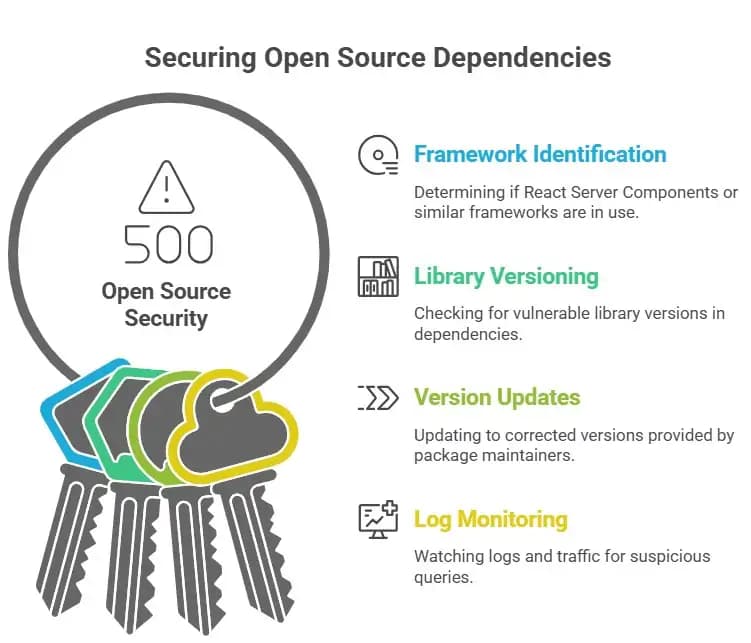
To fix this problem, developers need to do the following steps:
• Find out if your app uses React Server Components or similar frameworks.
• Checking the versions of the libraries that are susceptible in your dependencies.
• Updating to the corrected versions that the package maintainers have provided.
• Watching logs and traffic for strange queries that can mean someone is trying to exploit something.
This part of the recap shows how important it is for teams that use open source to keep an eye on and fix supply chain concerns right away.
Other Important Security Alerts and Events
There are also a few additional headlines that security experts need to pay attention to in this week's recap:
WinRAR Zero-Day Vulnerability for Remote Code Execution
The U.S. CISA added a WinRAR path traversal vulnerability (CVE-2025-6218) to its list of vulnerabilities that are being actively exploited. This issue lets attackers run bad code when users open RAR files that have been made to take advantage of it. To avoid being hacked, it is strongly recommended that you immediately update to the current version of WinRAR.
Malicious Go Packages That Look Like Google UUID Library
Security researchers found malicious Go programming language packages that were made to seem like real Google UUID libraries. These fake packages have been used to steal private information from developers who accidentally included them in software builds.
OpenAI Says No Running Ads in ChatGPT's Paid Plans
OpenAI responded to concerns by making it clear that recent in-chat suggestions were not paid ads but app recommendations. This affected millions of users. The company says that these prompts looked like ads, but they were not monetization features and have been put on hold.
Apple's warnings about spyware and threats
Based on threat data, Apple is warning people all over the world about possible spyware that could target them. Apple's threat security systems include these warnings, which let users know when their devices may have been the subject of specific attacks.
Optional Example
Let's show how a vulnerability that seems harmless can turn into a real-world breach.
Think about a web service that uses React Server Components to handle money. A developer added a dependency on a React RSC library that was not safe late one night. Within hours of the information being made public, scanners and automated tools started checking the application's endpoints. An attacker was able to inject payloads that gave them access without permission because no fix was implemented. This kind of scenario shows why it's so vital to act promptly when there are security holes in popular frameworks, as this recap explains.
Questions that are often asked
Q: What does "zero-day" mean in terms of cybersecurity?
A zero-day vulnerability is a hole in software security that hackers are currently using before developers have a chance to fix it. Immediate action is really important.
Q: Why do zero-day attacks keep happening on Chrome?
Attackers often look for new ways to exploit systems that affect millions of users at once, since they have a lot of users and complicated engine parts.
Q: Should I stop using WinRAR or other programs that have security holes?
Don't stop using it; instead, upgrade it right away to the fixed version. One of the best ways to protect yourself is to keep your software up to date, as developers often fix bugs.
Q: How do bad programming packages get into development environments?
Attackers utilize methods like typosquatting and dependency misunderstanding to make packages that look real but have hidden backdoors. Developers should check their dependencies and only utilize sources that have been checked.
Last thoughts
This weekly summary talks about some of the most important cybersecurity news from December 2025.Several hazards need to be dealt with, such as browser and firewall vulnerabilities, supply chain issues, and spyware alarms. The one clear thing to remember is that both people and businesses need to stay up to date, patch fast, and keep an eye out for strange activities.
Cybersecurity is all about being ready and acting. Regular summary reviews can help you stay ahead of vulnerabilities like these and build stronger defenses by keeping an eye on patterns and figuring out what risks you need to focus on first.