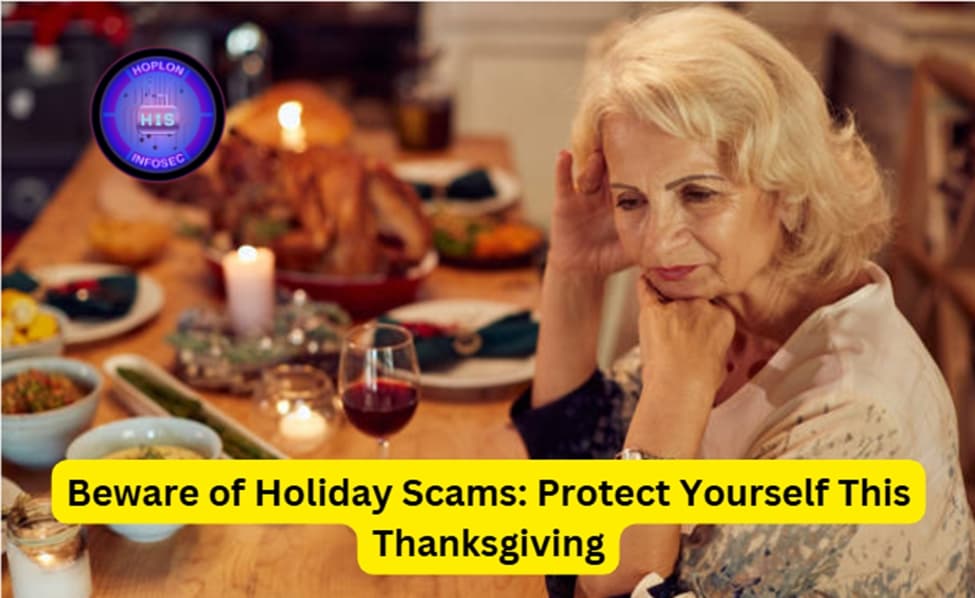
Thanksgiving brings joy, togetherness, and gratitude as the Thanksgiving Holiday season approaches. However, it also allows cybercriminals and scammers to exploit the festivities. With increased online shopping, travel plans, and charitable giving, the risk of falling victim to holiday scams is higher than ever. Understanding these threats and protecting yourself can save you from financial and emotional distress this Thanksgiving.
The Federal Trade Commission (FTC) reported over $8.8 billion in consumer losses from scams in 2023, marking a 30% increase compared to the previous year. During the holiday season alone, scammers target more than 37% of online shoppers, making it crucial to stay vigilant.
Cybersecurity experts observed a 300% surge in phishing attempts during the holidays. These scams often impersonate popular retailers or delivery services, tricking consumers into providing sensitive information.
According to industry reports, an estimated 65% of shoppers will encounter fake e-commerce websites this season. These fraudulent sites mimic legitimate brands, luring buyers with counterfeit discounts and never delivering the promised goods.
In 2023, over $654 million was stolen through fake charities, with 40% of scams occurring during the Thanksgiving and Christmas periods. Scammers exploit the holiday spirit of giving, creating fraudulent donation sites to prey on unsuspecting donors.
Thanksgiving travel scams increased by 22% last year, affecting flight and accommodation bookings. Reports show that victims lost an average of $1,200 to fake travel agencies and deals that didn’t exist.
A common tactic during Thanksgiving involves gift card fraud, with scammers convincing victims to purchase cards under pretenses. In 2023 alone, over $228 million was reported stolen through gift card scams, and the number continues to climb yearly.
Nearly 53% of Americans encounter fraudulent ads or giveaways on social media platforms during the holidays. Cybercriminals often run fake contests or promotions to steal personal and financial information.
With over 1.7 billion packages shipped during the holiday season 2023, delivery scams are rampant. These scams often involve fake tracking links or fraudulent claims about undelivered packages.
Seniors are especially vulnerable, accounting for nearly 40% of reported holiday scam victims. The average loss for older adults is $500 per scam, emphasizing this demographic’s need for awareness and education.
To safeguard against scams, use trusted websites for shopping, enable multi-factor authentication, and avoid clicking suspicious links. Reports show that individuals practicing these habits reduce their risk of being scammed by 47%.
If you suspect a scam, report it immediately to the FTC or local authorities. In 2023, only 18% of scam victims reported incidents, highlighting the importance of raising awareness and helping others avoid similar traps.
Beware of Thanksgiving Holiday Scams
The holiday season, especially Thanksgiving, is a time for celebration and togetherness, but it’s also prime time for scammers looking to exploit unsuspecting individuals. From online fraud to in-person tricks, threats are evolving with technology, targeting every aspect of holiday preparation. Staying one step ahead requires awareness of these problems and proactive measures to protect yourself and your loved ones.
Scammers create enticing fake discount ads for Thanksgiving sales, often mimicking big-name retailers. These fraudulent offers lure victims to phishing websites, where they steal credit card information or deliver counterfeit goods.
Scammers exploit the holiday spirit of generosity by sending urgent appeals for donations. Many use fabricated stories or clone real charity websites, tricking people into donating directly to the scammer’s accounts.
Thanksgiving often involves family trips, and scammers post fake vacation rentals online. Victims pay deposits or total amounts for properties that don’t exist, leaving them stranded during the holidays.
Fake giveaways and contests flood social media during Thanksgiving. These scams promise expensive prizes like holiday trips or gift cards, but instead, they collect personal data and may ask for “entry fees.”
Digital Thanksgiving greetings can come with a hidden cost. Scammers send malicious e-cards loaded with malware that infect devices and compromise sensitive data and online accounts.
Gift cards remain a top target for scammers. Posing as bosses, friends, or organizations, they pressure victims to buy gift cards and share the codes, often claiming it’s for a holiday surprise or urgent need.
Thanksgiving parades, dinners, and events are magnets for scammers selling counterfeit tickets. Many people purchase these tickets online only to realize they are invalid upon arrival.
As millions of packages are shipped during Thanksgiving, scammers impersonate delivery services like FedEx or UPS. They send fake emails with tracking links that, when clicked, install spyware on the recipient’s device.
Scammers post fake job listings for seasonal Thanksgiving work, requesting upfront fees for training or uniforms. Victims often discover the job never existed and lose their money.
Fraudulent campaigns on crowdfunding platforms increase during Thanksgiving, featuring emotional stories of hardship or disaster. Many contributors unknowingly fund scams instead of legitimate causes.
Thanksgiving recipe scams involve websites offering exclusive recipes or eBooks that require downloading software. These downloads often come bundled with viruses or spyware.
The Hidden Risks of Thanksgiving Holiday Festivities
Thanksgiving is a cherished time for food, family, and festivities, but it also presents unexpected risks that can turn a joyful celebration into a stressful ordeal. From cyber threats to physical safety concerns, the holiday season demands extra vigilance. Below are nine key areas where hidden dangers lurk and how to navigate them safely.
With Thanksgiving marking the unofficial start of holiday shopping, scammers flood inboxes with fake sales and deals. Clicking on these fraudulent links can lead to identity theft or unauthorized access to financial accounts. Ensure emails come from verified retailers before making purchases.
Thanksgiving dinner often involves extensive cooking, increasing the risk of foodborne illnesses like salmonella or E. coli. Undercooked turkey, cross-contamination, and improper refrigeration are common culprits. Following food safety guidelines is essential to keep guests healthy.
Thanksgiving inspires generosity, but it also attracts fake charities. Fraudulent organizations use emotional appeals to solicit donations, often providing no transparency about fund usage. Verify charities through platforms like Charity Navigator before giving.
Festive decorations and heavy cooking activities can increase the chances of house fires. The National Fire Protection Association (NFPA) reports that Thanksgiving sees three times more home-cooking fires than any other day. Never leave cooking unattended, and inspect holiday lights for damage before use.
Many families travel for Thanksgiving, making them targets for travel scams. Fake vacation deals and airline ticket fraud spike during this time. Travelers should book accommodations and flights only through trusted platforms and avoid last-minute, too-good-to-be-true offers.
Online shopping during Thanksgiving often leads to increased package deliveries, but it also attracts porch pirates. In 2023, over 210 million packages were reported stolen. Installing security cameras and scheduling package deliveries can mitigate this risk.
Thanksgiving often involves sharing family photos, setting up intelligent gadgets, or using public Wi-Fi for online shopping. These activities can expose you to cyber threats like malware and hacking. Secure your devices with updated software and avoid public networks for sensitive transactions.
Thanksgiving is one of the busiest travel days of the year, and alcohol consumption during celebrations can lead to impaired driving. According to the National Highway Traffic Safety Administration (NHTSA), over 400 fatal accidents occur annually during the Thanksgiving holiday period. Designated drivers and rideshare services are critical for ensuring road safety.
The pressures of hosting a flawless Thanksgiving can lead to stress, fatigue, and even physical injuries from heavy lifting or extended kitchen hours. Planning, delegating tasks, and taking breaks can help maintain a healthy balance and ensure you enjoy the day.
Thanksgiving Holiday Safeguards: Ensuring a Safe and Joyful Celebration
Thanksgiving is a time to express gratitude, share meals, and create lasting memories with loved ones. However, ensuring the celebration is safe and stress-free requires thoughtful planning and awareness of potential risks. Below are nine essential safeguards to consider, helping you enjoy Thanksgiving without unexpected disruptions.
Ensuring food safety is crucial for a healthy Thanksgiving Holiday. Properly thawing, cooking, and storing the turkey prevents foodborne illnesses like salmonella. Use a meat thermometer to ensure the turkey reaches an internal temperature of 165°F (74°C), and refrigerate leftovers within two hours of serving.
Thanksgiving sees a significant spike in home cooking fires. To prevent accidents, never leave cooking unattended. Keep flammable items away from the stove, and have a fire extinguisher within reach. For deep-frying turkeys, use outdoor fryers placed far from any structures.
Scammers exploit Thanksgiving Holiday festivities, from fake shopping deals to fraudulent charity appeals. Safeguard your finances by verifying websites before entering personal information and donating only to trusted organizations. Cybersecurity measures like enabling two-factor authentication can add an extra layer of protection.
Traveling to meet family or friends is common during Thanksgiving Holiday, but it can be risky, with flight cancellations or travel scams. Book tickets early through reliable platforms, confirm reservations in advance and keep backup plans ready for emergencies.
Online shopping spikes around Thanksgiving Holiday, making package theft a growing concern. Safeguard your deliveries using secure drop-off locations, tracking shipments, or installing a doorbell camera. Some delivery services offer options to schedule drop-offs when you’re home.
Hosting Thanksgiving can be overwhelming, from preparing meals to managing guests. To avoid burnout, create a detailed plan, delegate tasks, and set realistic expectations. Incorporating breaks into your schedule ensures you stay relaxed and enjoy the celebration.
Thanksgiving gatherings often involve children, who need special attention to stay safe. Keep sharp objects and hot dishes out of their reach, ensure safe play areas, and educate them about safety rules, especially if pets or stairs are in the house.
With Thanksgiving being a peak travel holiday, road safety is critical. Plan your routes, avoid traveling during rush hours, and ensure your vehicle is in good condition. If alcohol is part of the celebration, always have a designated driver or use rideshare services.
Accidents and illnesses can happen unexpectedly during Thanksgiving Holiday. Keep a well-stocked first-aid kit and know the location of the nearest urgent care or hospital. Clear communication about meal ingredients is essential for guests with allergies or dietary restrictions.
For more: