-20260417162116.webp&w=3840&q=75)
What happened this week, and why should anyone care about it on April 17, 2026?
The short answer is that there wasn't just one breach that was the biggest risk this week. It was the combination of active exploitation, software trust issues, and operator confusion during patching.
Marimo notebook servers were hit by a fast-moving pre-auth RCE story. Adobe released an emergency fix for a Reader flaw that had been exploited. Microsoft admitted that Windows Server 2025 updates had failed. OpenAI changed the signing material for macOS after a developer-tool path was compromised. Law enforcement showed how approval-phishing continues to drain crypto wallets at scale.
This weekly cybersecurity recap is all about speed. Attackers and vendors moved quickly, and defenders who waited for perfect clarity lost time they didn't have.
It's easy for our team to see things. This week taught us that patching alone is no longer enough.
You now have to check for exposure, trustworthiness, and the possibility that a compromised path has already touched credentials, keys, or signing material.
Overview
Story Verified technical detailSeriousness or statusFirst things first
Marimo RCE: Pre-auth RCE on /terminal/ws; fixed in 0.23.0; reports of active exploitationCritical, active exploitation: Upgrade, remove exposure, and rotate secrets if they are exposed. Read more
Adobe Acrobat/Reader CVE-2026-34621, fixed in APSB26-43, used in the wildPriority 1: risk of code execution. Patch Acrobat/Reader on Windows and macOS right away. Read more
Windows Server 2025 KB5082063 may fail with 0x800F0983; Microsoft is looking into it; some BitLocker recovery cases have been reported. This is a problem with deploying security updates.Check the exact error, make sure the reboot is still pending, and get ready for the BitLocker recovery workflow. Read more
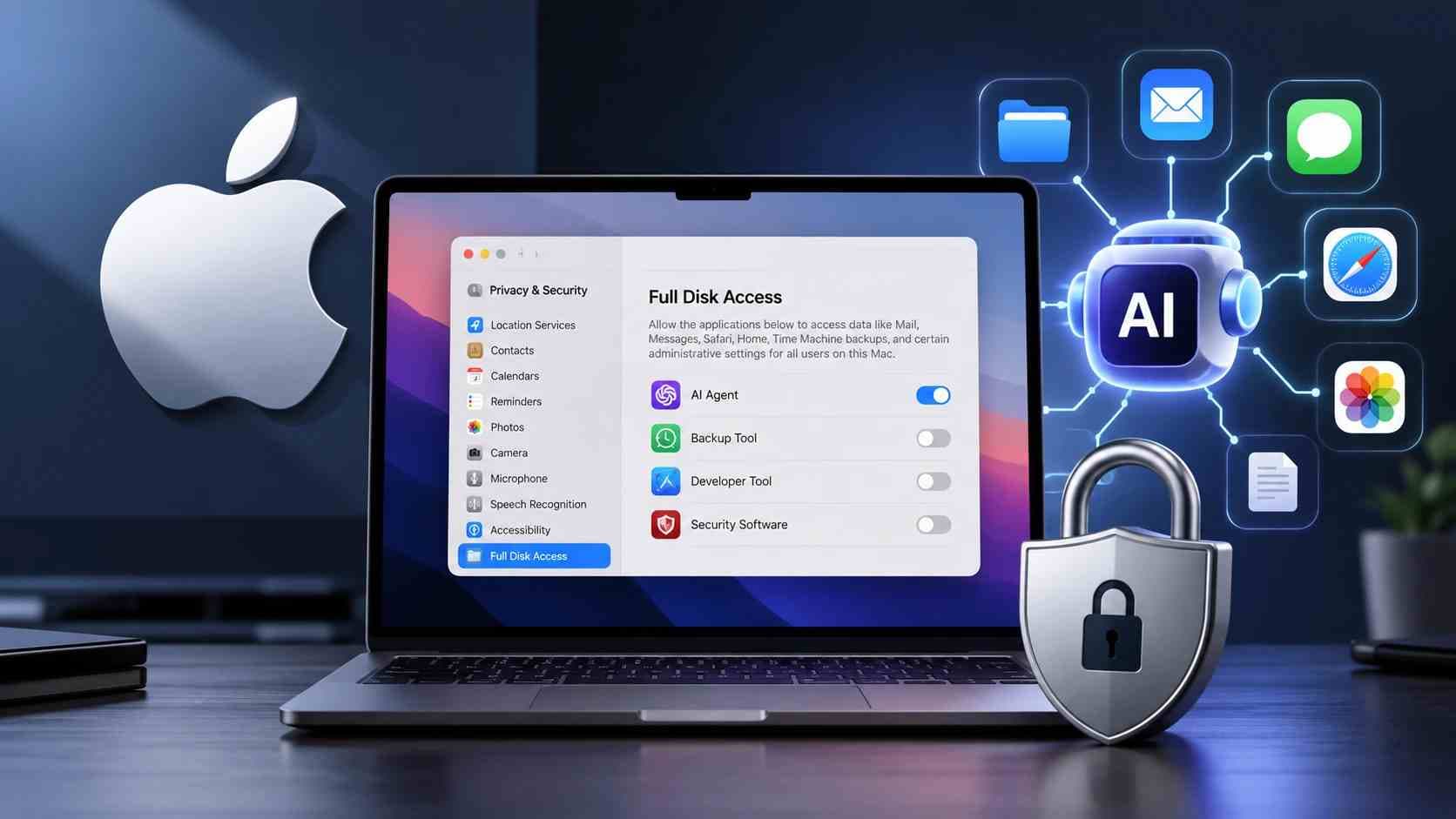
OpenAI macOS trust update: OpenAI changed the signing and notarization materials after a hacker got into them. Axios 1.14.1 ran in a signing workflowThere is no proof that user data was compromised, but the trust path was affected. Only update macOS apps from official channels. Read more
Operation Crypto Approval Phishing Crackdown Atlantic found more than 20,000 victims and froze more than $12 million. This was a big fraud disruption.Take back risky wallet approvals and quickly save evidence .Read more
AI-powered reporting of government breachesPublic reporting and Anthropic material suggest AI-assisted offensive workflows.Important, but some specifics still depend on reports from other people.Don't panic; this is just a sign of capability, not a reason to panic.Read more
What happened this week
Active exploitation got shorter, not quieter
Marimo is the best example of cleanliness. Research and public reporting showed exploitation activity within hours of the disclosure, and the exposed asset was not a flashy perimeter appliance. It was a notebook platform, which is the kind of service that teams often think of as "temporary" or "internal." That's why this story is important. There are notebooks next to cloud keys, dev secrets, test data, and scripts for automation. A shell there isn't always just a shell.
The patch for Adobe Reader and Acrobat tells the same story from a different point of view. The file format is common, the product is well-known, and the way to exploit it is so well-known that many teams will underestimate it.
Adobe clearly labeled the update as Priority 1 and confirmed that it was being used in the wild. That should put an end to the argument about how urgent it is.
Patch management became a reliability problem too
The KB5082063 problem from Microsoft shows that even the right patch can ruin a weekend.
When a security update on Windows Server 2025 fails, it's not just a pain when it affects enterprise-managed systems, especially if BitLocker recovery is involved.
Do you have the keys? Do you know which systems have the same risky setup? That's where operations that are well-planned differ from those that are rushed.
That's why a weekly cybersecurity update should never sound like a simple "patch now" note. Yes, patch. But also the stage. Check. Get the failure codes. Before you touch remote infrastructure, make sure you know how to roll back and recover.
Software supply chain trust stayed under pressure
OpenAI's macOS certificate rotation is important because it shows what a responsible vendor does when a code-signing path may have been exposed, even if there is no proof that user data was compromised.
The company said that a GitHub Actions workflow used to sign apps ran a bad Axios package, then revoked and rotated the signing material and sent users to new builds. That is a well-planned way to respond to an incident.
Would you rather a vendor say, "We didn't find any problems, so keep going," or would you rather they replace the trust anchor before abuse happens? We know what to say. When trust is in doubt, the professional thing to do is to be careful.
-20260417162116.webp&w=1080&q=75 "Cyber Risk Weekly Recap")
Why This is Important
This week's pattern is bad for businesses because the stories are linked. An active exploit on a developer tool, a patch failure on a server platform, and a signing-path incident all point to the same weak point: operational confidence.
If teams can't quickly figure out what's broken, what's exposed, and what's still trusted, attackers have more time before they get in.
The effect looks different for regular users. Because of the Adobe problem, PDFs are still a risk for delivery.
The crypto fraud case shows that a wallet approval can be more dangerous than a fake login page. And the story about OpenAI macOS means that updates should come from official sources, not installers that have been reposted or mirrors that are not official.
That difference is important. A threat doesn't always mean a breach. Some are failures of trust. Some of them are bad permissions.
Some are just mistakes made by operators under stress. A good weekly cybersecurity recap should separate them because the solution is different for each.
Our Technical Analysis
Why the Marimo RCE story stands out
For defenders, the Marimo case was probably the most important story. Not because Marimo is the biggest brand in the room, but because it showed us a pattern that keeps happening with AI and data tools. Services that are made for speed often send things that are very close to secrets. They live behind reverse proxies, cloud test environments, and "temporary" firewall rules that no one checks after launch. That is a good place for pre-auth compromise to happen.
Why the OpenAI macOS trust update matters
OpenAI's response was the most important story for software trust. Changing certificates is a problem.
It goes against what people think. It makes work that helps others. When signing integrity is in doubt, serious teams do it anyway. That is a better sign than a quiet PR line.
What Operation Atlantic reveals about crypto fraud
Operation Atlantic was the best story about law enforcement. It showed that cryptocurrency crime is more than just stealing wallets after getting malware.
Sometimes the victim gives permission for the damage to happen through approval phishing. That means teaching users about wallet permissions, not just fake login pages and stealing seed phrases. In different ways, TRM Labs and the NCA both make that point stronger.
What AI-assisted government breach reporting really signals
The AI-powered reporting of government breaches is something to pay close attention to. The broad signal is real: both public reports and Anthropic's own security report show that more and more attackers are trying to use AI systems for bad things.
But some of the more shocking details are still being reported through research and news stories instead of a full official public incident file. This seems to be true in general, but some parts of the story still need to be taken with a grain of salt.
How we triage incidents like this
When we do incident triage on stories like these, we don't start with the headline. The asset class comes first. Is it a server for notebooks, a desktop app, a patch baseline, a wallet workflow, or a signing path? That one question cuts through a lot of noise.
The false confidence problem we keep seeing
The problem that kept coming up in our practical test workflow wasn't that there weren't enough alerts. It was a false sense of security. A team sees "patched," but the secrets are still out there.
A team says there is "no evidence of compromise," but the trust anchor still changed. A team sees "internal service," but the reverse proxy showed it to the world three months ago. Those are the little things that make a manageable incident last a long time.
Why defenders lose time on categorization
We also saw something that most weekly cybersecurity recap posts don't talk about enough: defenders still waste time on categorization.
Was this a problem with the vulnerability, the deployment, or the user authorization? If you answer that late, you'll spend the first hour doing the wrong thing.
How to Keep Your System Safe
1. Patch exploited products first
Under APSB26-43, update Adobe Reader and Acrobat. You need to upgrade Marimo to version 0.23.0 or later. Put first systems that connect to the internet and employee computers that often open files from outside.
2. Check exposure before you trust the patch
For Marimo, see if any instance was set up for public or shared network access. Check out reverse proxies, cloud security groups, and notebook hosts. For Windows Server 2025, check to see if systems that fail KB5082063 are also in groups that are sensitive to BitLocker recovery.
Commands that are helpful:
ss -lntp | grep -E "2718|marimo"
ps aux | grep marimo grep -R "marimo" /etc/nginx /etc/caddy /etc/traefik 2>/dev/null
Those commands are like the quick exposure hunting defenders need for notebook services. The point is not style. The point is how fast.
3. Rotate anything that may have been touched
If a notebook server was open and vulnerable, it's possible that local secrets were read. Change your cloud keys, API tokens, Git credentials, SSH keys, and service passwords on a regular basis. A patch fills in the hole. It doesn't bring stolen secrets back into the building.
4. Update macOS apps only from official sources
For the OpenAI macOS story, use official download links or updates that come with the app. Don't trust packages that have been reposted, old installers, or "helpful" mirror links. The vendor's response was meant to restore trust in the software. Meet it halfway.
5. Treat wallet approvals like bank transfers
Check token approvals, take back anything you don't know, move any remaining assets to a clean wallet if you need to, and keep transaction hashes, wallet addresses, screenshots, and timestamps. That proof is important for exchanges and the police.
6. Use official advisories, not social posts
When making decisions about patching or responding to an incident, users should look at official advisories from CISA, Microsoft, Adobe, OpenAI, GitHub Advisories, Anthropic, and the National Crime Agency. Even if a vendor bulletin comes first, CISA's advisories and the KEV workflow are still helpful for setting priorities.
Mistake 1: Thinking a patch finishes the job
The first mistake is thinking that a patch does the job. No, it doesn't. Not when secrets might already be out in the open. Not when trust materials had to be moved around. Not when a wallet approval could still be in effect.
Mistake 2: Treating every story the same
The second mistake is to treat all stories the same. No, they aren't. Adobe and Marimo were direct actions to protect security.
KB5082063 was a story about deployment risk that had security effects. Operation Atlantic was a story about fraud that taught people how to protect themselves right away. When you separate the classes, the answer becomes clearer.
Mistake 3: Overreacting to AI breach headlines
The third mistake is reading too much into the headlines about AI breaches. Yes, AI is now a tool that attackers can use.
No, that doesn't mean that every dramatic claim is completely true in public. Don't use those stories as an excuse to panic or put on a show to sell something.
Quick Threat Comparison
|
Threat type |
Who is most exposed |
Fastest smart move |
|
Exploited vulnerability |
Anyone running exposed, unpatched software |
Patch and verify exposure |
|
Patch failure / recovery issue |
IT-managed environments |
Capture error, stage rollout, verify recovery path |
|
Signing trust incident |
Users relying on affected app trust chain |
Update only from official vendor source |
|
Approval phishing |
Wallet users, traders, first-time crypto investors |
Revoke approvals and preserve evidence |
Security Checklist
- Patch now: Adobe Acrobat/Reader and any Marimo instance that is open should be the first ones to get patched.
- Make sure you trust and expose: Carefully check for failures in the rollout of Windows Server 2025, and only update affected macOS apps from official vendor channels.
- Fix the human path: Take away risky wallet approvals, teach users how to deal with authorization prompts, and stop thinking that "Approve" is a safe click.