
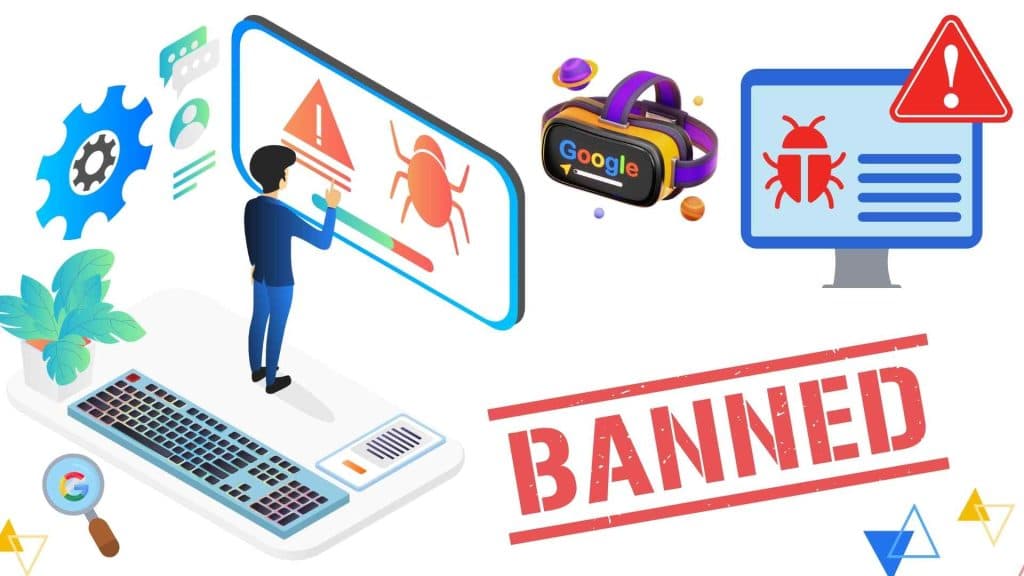
In a significant digital security achievement, Google announced it blocked a record-breaking 2.28 million policy-violating apps from entering the Play Store in 2023. As well as Google banned 158,000 developers which was linked to those violating apps and games. This initiative reflects Google’s relentless efforts to safeguard users and developers from the rising tide of cyber threats. Google has set a new benchmark in app store security by leveraging advanced machine learning (ML), enforcing stricter developer requirements, and fostering cross-industry collaborations.
The company’s security strategy is anchored in its SAFE principles: Safeguard Users, Advocate for Developer Protection, Foster Responsible Innovation, and Evolve Platform Defenses. These principles guide every aspect of Google’s initiatives to ensure a secure and trustworthy ecosystem.
Google Blocks Games and Malicious Apps for Enhancing Platform Integrity
Google’s SAFE framework underpins its commitment to platform integrity. This approach combines cutting-edge technology, stringent policies, and collaborative efforts to mitigate the risks malicious actors pose.
ML-Driven App Reviews: Smarter Detection of Threats
Machine learning has become a cornerstone of Google’s app review process. In 2023, the company deployed enhanced ML algorithms to analyze thousands of behavioral signals. These algorithms scrutinize everything from code patterns to permission requests, enabling the system to detect and flag suspicious submissions more accurately. This proactive approach has significantly reduced the likelihood of harmful apps reaching users.
Stricter Developer Vetting process.
Google introduced stricter identity verification measures to prevent fraudulent developers from abusing the platform. Organizations must now provide D-U-N-S numbers, a unique identifier for businesses, ensuring only legitimate entities gain access to the Play Store. These measures have been instrumental in reducing fraudulent account creation and curbing malicious activity.
Expanding SDK Support for Developers
Google’s software development kit (SDK) repository has grown to track usage across 6 million apps. By providing developers with insights into risky integrations, Google helps them make informed decisions and avoid SDKs that could compromise user safety. This initiative enhances app quality and minimizes the risks associated with third-party tools.
As a result of these efforts, Google banned 333,000 malicious accounts linked to fraud rings and policy breaches. Additionally, over 200,000 app submissions were rejected or modified for improper use of sensitive permissions, such as background location tracking and SMS access. These numbers underscore the effectiveness of Google’s multi-layered defenses in protecting its platform.
Privacy Collaborations: A Joint Effort for User Safety

In 2023, Google intensified its focus on user privacy through collaborations with SDK providers and industry leaders. By addressing data collection concerns and enforcing privacy safeguards, Google sets new standards for responsible data usage.
Partnering with SDK Providers
One of the year’s most impactful initiatives involved partnering with SDK providers to limit unnecessary data collection. Google worked with providers of 31 high-risk SDKs, enhancing the privacy posture of over 790,000 apps. These efforts reduced sensitive data access and sharing, bolstering user trust across the ecosystem.
Steve Kafka, Android Security Lead, highlighted the importance of these collaborations:
“To help safeguard user privacy at scale, we partnered with SDK providers to limit sensitive data access and sharing, enhancing the privacy posture for over 31 SDKs impacting 790K+ apps.”
Expanding the App Defense Alliance
Google’s App Defense Alliance (ADA) also saw significant advancements in 2023. The initiative, launched to combat malicious apps, now includes high-profile partners like Microsoft and Meta. Under the Linux Foundation’s Joint Development Foundation, ADA introduced the Mobile App Security Assessment (MASA) program. This program performs independent security reviews for VPN apps, allowing users to identify trusted options through an “Independent Security Review” badge displayed in Play Store listings.
These collaborations exemplify Google’s commitment to fostering a safer app ecosystem through shared knowledge and collective action.
Addressing Risks from Off-Play Apps
While the Play Store remains a significant focus, Google has also taken steps to protect users from risks associated with sideloaded apps—applications installed outside the Play Store. These apps often bypass Google’s security checks, making them a preferred avenue for cybercriminals.
Real-Time Threat Detection with Google Play Protect
Google Play Protect, the company’s built-in security service, identified over 5 million malicious sideloaded apps in 2023. Play Protect cross-references apps against a global database of known threats using real-time code-level scanning. Additionally, advanced ML models detect novel attack vectors, ensuring users are shielded from evolving threats.
New Developer Guidelines for 2023
To further enhance security, Google introduced new developer guidelines requiring apps to offer:
- Account and Data Deletion Options: Apps must now allow users to delete their accounts and associated data through both in-app and web-based interfaces.
- Simplified User Management: Developers must streamline user management processes, making it easier for users to control their data.
- Transparency on AI-Generated Content: With AI’s rise in app development, Google now mandates clear labeling and disclosure of AI-generated content.
These measures ensure that even off-play apps adhere to high transparency and user empowerment standards.
Legal Action Against Fraudsters

Google’s battle against malicious actors extends beyond technological measures. In 2023, the company took legal action against fraudsters who attempted to exploit the platform for financial gain. A federal lawsuit was filed against two individuals accused of uploading fraudulent investment and cryptocurrency exchange apps to the Play Store. These apps misrepresented their offerings to scam unsuspecting users.
This legal intervention powerfully conveys that Google will not tolerate attempts to compromise user safety or exploit its platform for illicit activities.
Innovations Shaping the Future of App Security
Google’s relentless pursuit of innovation in app security continues to raise the bar for the industry. Looking ahead to 2024, the company plans to introduce new initiatives to enhance app store safety and transparency.
Stricter Privacy Transparency Rules
One of the upcoming changes involves stricter rules for privacy transparency. Developers must provide detailed information about their data collection practices, enabling users to make informed decisions about the apps they install.
Advancements in Machine Learning
Google is also investing in the next generation of ML algorithms to stay ahead of emerging threats. These advancements will further improve the company’s ability to detect and mitigate risks, ensuring a safer experience for users and developers alike.
Strengthening Cross-Industry Collaborations
The success of initiatives like the App Defense Alliance highlights the value of collaboration in combating cyber threats. Google plans to expand these partnerships in 2024, bringing more industry leaders to tackle shared challenges.
Conclusion
Google’s achievement of blocking 2.28 million policy-violating apps in 2023 is a testament to its unwavering commitment to user safety and platform integrity. The company has created a safer digital environment for billions of users worldwide through advanced machine learning, stricter developer requirements, and collaborative efforts.
Google’s proactive approach ensures that the Play Store remains a trusted app source. With plans to launch new security initiatives and enforce stricter privacy transparency rules in 2024, Google is setting new benchmarks for app store safety and trust.
By championing innovation, collaboration, and transparency, Google protects its platform and inspires the broader tech community to prioritize security and user trust. The milestones achieved in 2023 are a powerful reminder of what can be accomplished when technology and determination come together to create a safer digital future.
Did you find this article helpful? Or want to know more about our Cybersecurity Products Services?
Explore our main services >>
Mobile Security
Endpoint Security
Deep and Dark Web Monitoring
ISO Certification and AI-Management System
Web Application Security Testing
Penetration Testing
Follow us on X (Twitter) and LinkedIn for more Cyber Security news and updates. Stay connected on Facebook and Instagram as well. At Hoplon Infosec, we’re committed to securing your digital world.