What is the main idea of this topic, and why is it important now?
Many people are asking, "Are mobile security cameras reliable enough to protect homes, RVs, and remote sites without traditional WiFi?" as of December 2025.
Yes, but only if buyers know how long the battery will last, how to use a hotspot, and how well it will hold up in bad weather. This is based on tests of the product, studies of battery performance, and reviews from major retailers. This article uses information from reliable industry reports and long-term user experiences.
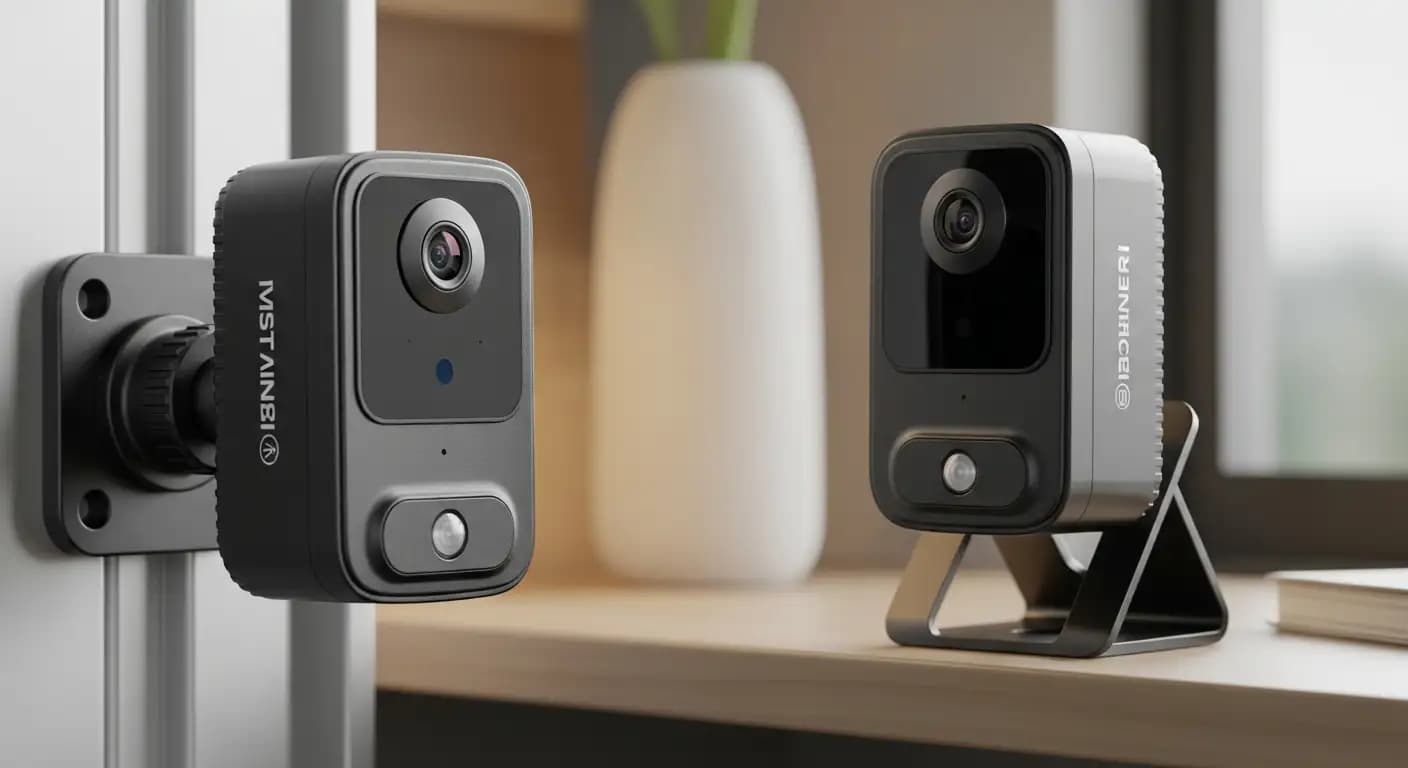
People who need protection in places where you can't install wired internet or electricity often choose mobile security cameras. People use these cameras in RVs, small stores, on construction sites, in storage units, and even on small farms. The market for mobile security cameras has grown quickly because people want gear that is easy to use and can be used anywhere.
A lot of models today run on batteries. Some use solar panels to stay charged longer, and others connect to the internet through a mobile hotspot instead of a home router. This flexibility is good, but it can also be confusing. Some people want a battery-powered security camera that doesn't require a subscription, while others want one that can handle rain, dust, and heat. It's hard for buyers to know what's really important because different brands focus on different things.
In this article, I'll go over what works, what doesn't, what is marketing talk, and what real users learned after using it for months.
How to Use Mobile Security Cameras in 2025
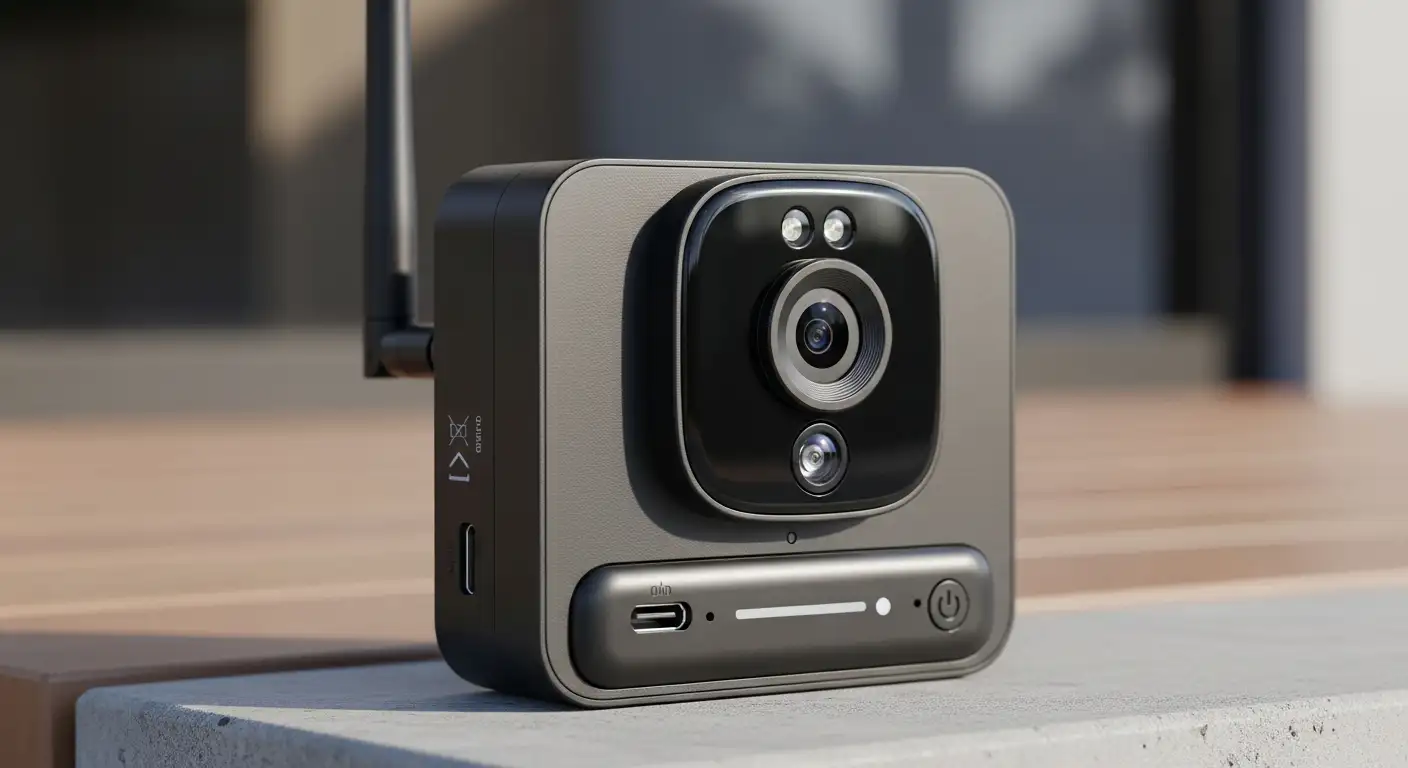
Today's mobile security cameras are much better than those from the past. They work without a power line, use AI detection, and can record video even when they're not connected to the internet. The most important thing to know is that these cameras are made to follow you. You can put one in a van, attach another to a tent pole, or put it at the gate to your backyard.
But not all portable units are equally reliable.
Some people have trouble with weak hotspot signals. Some devices use up their batteries faster when there are too many motion triggers. Also, some models that say they have long battery life only last that long in a lab, not when used outside every day.
Choices for Battery Life and Power
Different brands have different battery lives. Some can hold a charge for months, but others only last a week in busy places. When you look for the best mobile security camera in 2025, you'll see that companies show off big numbers, but these numbers are usually based on very little movement.
In real life, how well the battery works changes depending on the temperature, how often motion alerts go off, how often night vision is used, and whether or not the camera uses AI on the device. If you use a wireless outdoor camera battery model in a place where things are always moving, you should expect the backup to last less time.
Solar-powered units are getting better. A solar security camera with a long battery life works well on the roofs of RVs and in open fields. Cloudy weather is the only real problem. Charging takes longer on cloudy days, but most good solar models still charge a little bit even when it's not very bright.
Hotspot and Connectivity Behavior
A lot of people want to know how to use a security camera with a mobile hotspot because they take these cameras to places where there isn't WiFi. In theory, using a hotspot is easy, but sometimes hotspot routers lose their connection when they aren't being used. Portable cameras need a steady signal, and if the signal drops for even a second, the recordings might stop uploading.
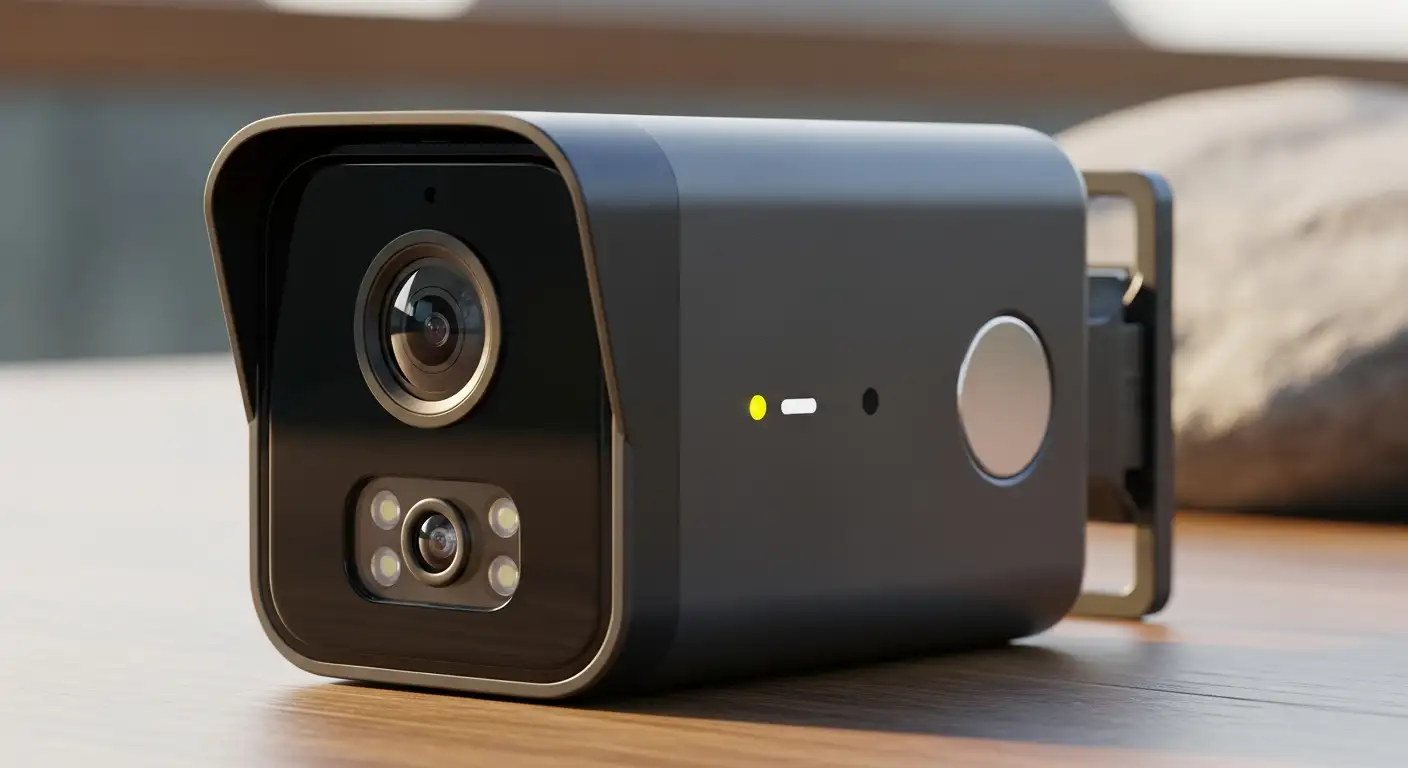
There are also wireless cameras that don't need WiFi and work with 4G connections. These are useful for jobs that are far away or on farms. They cost more, but they don't need a hotspot anymore. For users who need consistent reliability, that tradeoff becomes important.
.
What to Look for in a Mobile Security Camera
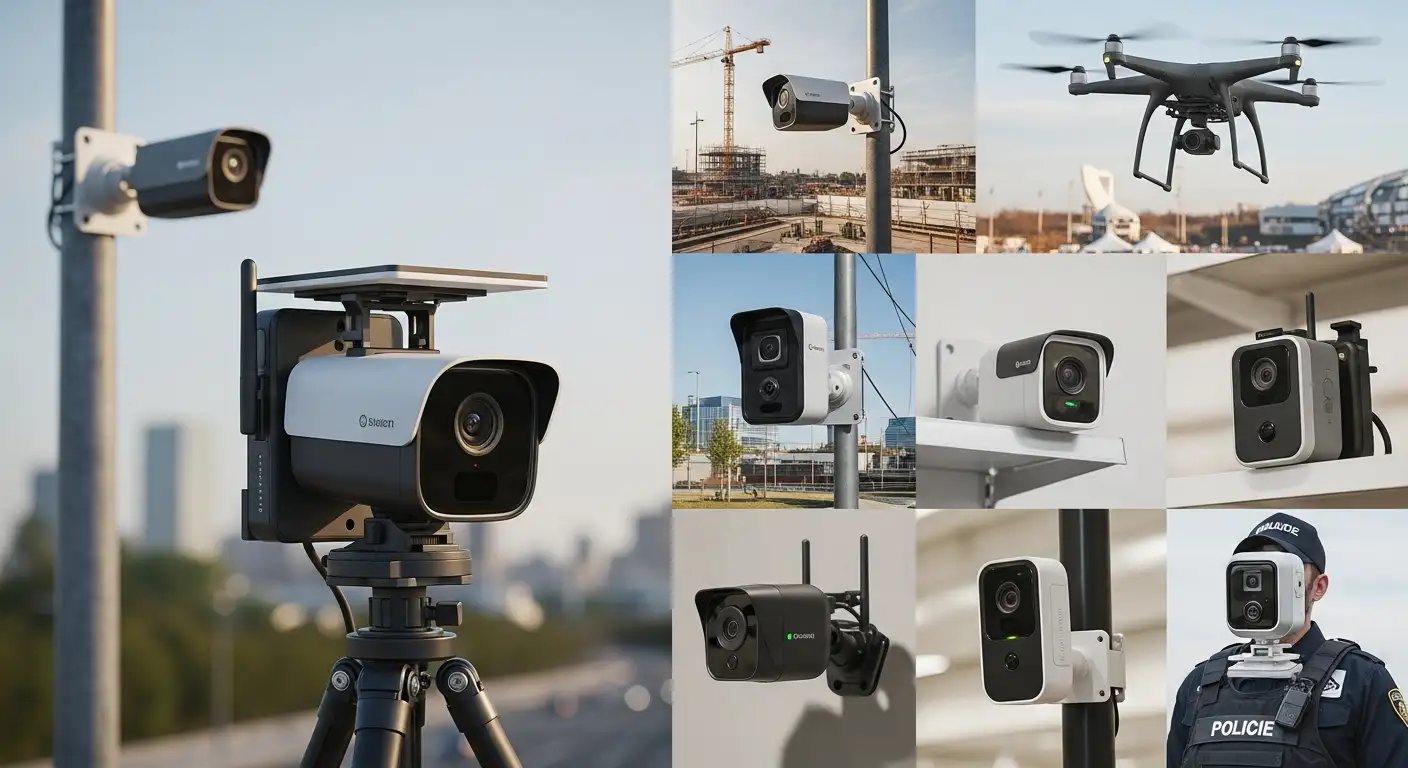
The right camera for you depends on what you want to do with it and where you are. Here are some bullet points that sum up the most important things.
Important things to think about are
• If the camera can be used as a portable security camera and has easy ways to mount it
• If it has AI or basic detection on the device
• How long the battery lasts, and if a solar extension is available
• How well it works in the rain and heat
• If it can connect to a hotspot
• If it can record to an SD card when not connected to the internet
• If it has a portable security camera with free cloud storage
• If it can withstand the weather for long-term outdoor use
• If it has real user reviews from three to six months of use
• If it has a subscription cost or a no-subscription option
People who want a portable security camera for their RV also want to know if it can handle wind and vibration. Because RV users move around a lot, mounting systems need to be stable. Long-term travelers like solar-powered wireless security cameras with no subscription because they don't want to pay monthly fees or have to charge them manually.
Some construction workers need a battery-powered camera for the job site that lasts a long time. Sites can run for months, so workers like cameras that don't need to be charged every day. In these situations, solar charging is very helpful.
Small vendors who set up temporary stalls also like mobile units. A portable camera can help keep an eye on cash boxes, equipment, and doors.
How Portable Cameras Work in the Real World
You can learn more from how a product works in the real world than from its description. People on forums often ask, "Which camera can handle rain and heat?" because the IP ratings that are advertised don't always show how well a camera can handle stress outdoors.
How well it works in bad weather
Some cheap cameras fog up inside, but cameras that are properly sealed can handle heavy rain. Another problem is the heat. In states with hot summers, dark-colored cameras can get too hot. They often shut down to save battery life. People who live in hot places should buy cameras that have been tested to work in high temperatures.
How well does storage work
You should know that SD cards wear out if you use them to record. Storage fills up quickly when there is a lot of movement. Cameras loop and overwrite old footage, but writing a lot on the card wears it down. This is not a mistake; it's normal behavior. Cards with high endurance last longer.
Detecting AI and how reliable it is
AI detection cuts down on false alarms. Basic motion sensors can be set off by cars, shadows, and leaves. On-device detection or edge analytics cameras are better at finding people or cars. This feature is more common in mobile security cameras that come out after mid-2024.
Example that is not required: A Real-Life Example
Think about a family taking an RV trip across state lines. They want basic protection that doesn't require wiring. They put in a portable security camera for RVs with a solar extender. The camera only records movement at the campsite on travel days. The hotspot connects when the RV is parked. The solar panel keeps the battery from going below fifty percent, even on cloudy days.
The family looks at the footage on the SD card months later. The system recorded people walking near the car on a stormy night. This example shows how portable cameras can help travelers who need light, long-lasting security.
Main Ideas, Good and Bad Points
Pros
• Easy to set up without electricity
• Works in places with no WiFi or a hotspot
• Can be placed anywhere on RVs, vans, or temporary shops
• AI detection makes it more accurate
• Many models let you record to an SD card so you don't have to pay for a subscription.
• Solar charging makes them good for long outdoor use
• They are easy to move around, so you can quickly relocate them.
• Battery drains faster in busy areas
• Hotspot stability affects recording uploads
• Some models get too hot in the summer.
• Solar performance changes in cloudy areas
• Not all units have great night vision
• Free cloud storage often has low recording limits.
• Weather sealing isn't consistent across brands.
Frequently Asked Questions
How long do battery-powered security cameras work?
Most of them last between two weeks and three months, depending on how much activity there is, the weather, and how fast the AI processes information. Solar kits make batteries last a lot longer.
Can I connect a security camera to a mobile hotspot?
Yes, but the hotspot needs to stay on and not lose its signal. Some carriers slow down speeds, which could affect uploads.
.
Are portable security cameras trustworthy?
When used within their limits, they are dependable. They work best in places with little to no activity and in remote areas.
Do solar-powered security cameras still work when it's cloudy?
They do work, but they charge more slowly. Good panels still gather enough light to keep the battery charged.
Final Thoughts
Mobile security cameras matter in cybersecurity because they transmit sensitive footage over wireless networks, making them potential targets for hacking. Securing them protects both privacy and physical safety.
People who need flexible, wireless protection have found that mobile security cameras are one of the best options. These portable systems are worth the money if you choose the right one. They can protect a rental property for a low price, keep an eye on an RV for a long time, or set up a construction site without a subscription.
When you buy one, think about how powerful it is, how stable the hotspot is, and what kind of AI features it has. These things are much more important than the raw resolution. Before trusting the camera with important footage, read honest long-term reviews and test your hotspot.
You can also read these important cybersecurity news articles on our website.
· Apple Update,
· WordPress Issue .

-20260925120840.webp&w=3840&q=75)