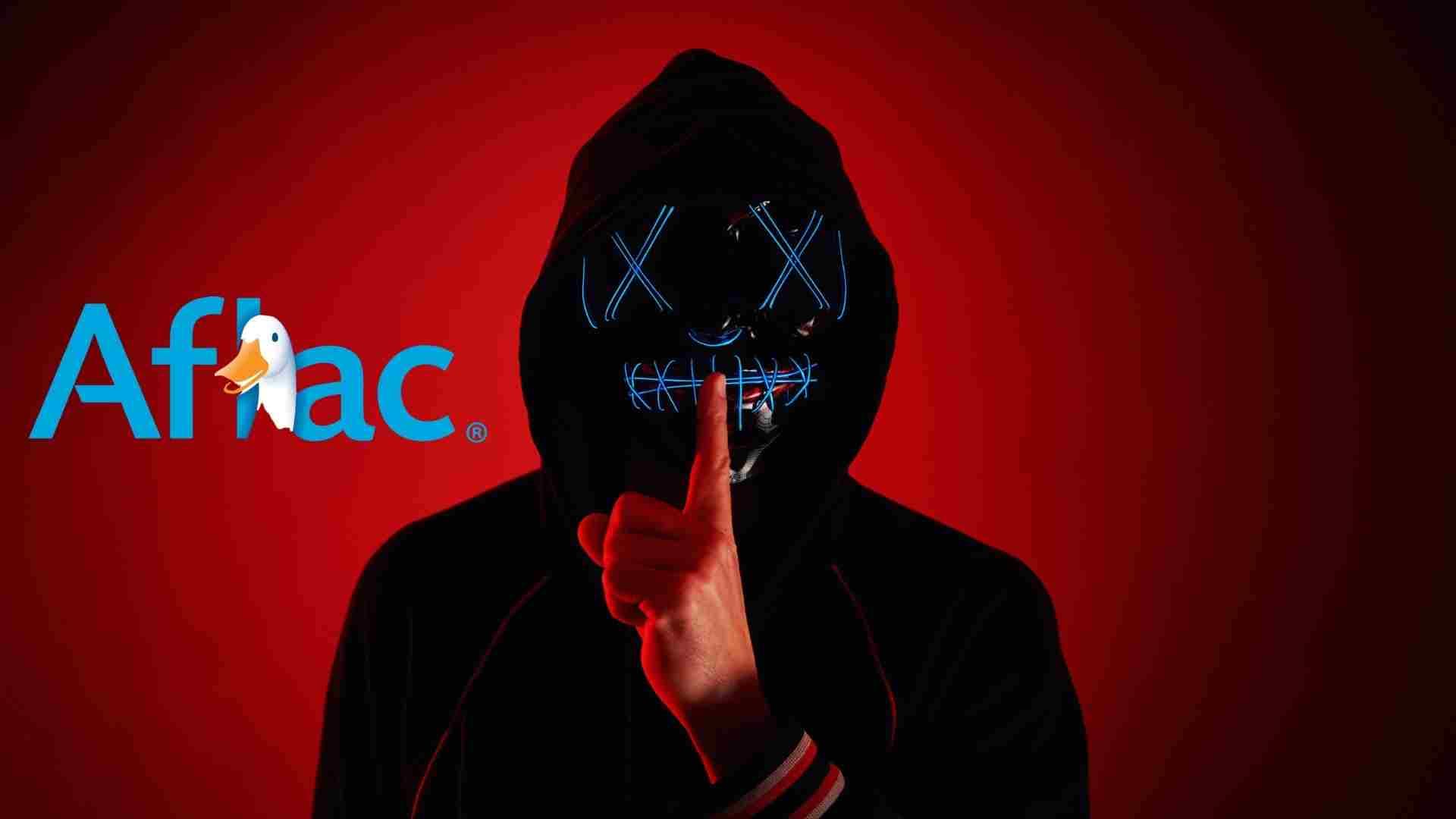
Imagine you get a call from someone who sounds like IT support. They say they’re fixing a security issue and need to verify your login. You’re in a hurry, the person sounds convincing, and you give in. After five minutes, a hacker gains access to your system, causing significant damage.
This isn’t a made-up story. This scenario is almost exactly what happened in the Aflac cyberattack in June 2025.
If a global insurance giant like Aflac, with billions in assets and thousands of employees, can be tricked, so can anyone. And that’s why this case matters. It’s not just about a company. This case focuses on how a single mistake paved the way for a highly skilled cybercriminal group to emerge. Your company, school, or even your home could make a mistake.
Let’s go deep into what happened, how it happened, who was behind it, and how the outcome can affect people like you—and how you can stay safe.
A major cyberattack hits Aflac.
In early June 2025, Aflac’s security systems flagged something unusual inside their U.S. network. The alarm wasn’t about a virus or ransomware. It was about behavior—unusual login patterns and internal movement that didn’t match any normal employee use.
Aflac acted fast. They isolated systems, called in cybersecurity experts, and began investigating. But by the time they shut it down, attackers had already accessed confidential customer data, including:
· Insurance claims
· Social Security numbers
· Private customer information
· Possibly even internal business data
No ransomware was found. No systems were shut down. But the damage was already done quietly—like a thief stealing files from a cabinet without breaking the door.
The attack method used was social engineering, attributed to a group called Scattered Spider.
Here’s the most important part of this story: the attack didn’t begin with software—it began with people.
The hackers didn’t break through firewalls. They didn’t use viruses or backdoors. Instead, they used a social engineering attack.
That means they tricked someone inside Aflac into letting them in.
This likely started with a phone call, message, or email where the attacker pretended to be a trusted Aflac employee or vendor. They contacted the help desk or support staff. They sounded believable. They asked for access, claiming to fix an issue or reset credentials.
Once they got in, they moved laterally inside the system—jumping from one part to another, gathering credentials, collecting data, and copying sensitive files. This kind of attack is quiet and hard to spot unless you’re looking closely.
What was the actual error? A human trusted what sounded like a helpful message.
This case is what’s called a “help desk attack”—a growing threat where hackers go after the people, not the systems.
Who Was Behind the Aflac Cyberattack and Data Breach?
While Aflac didn’t officially confirm the group responsible, cybersecurity experts believe it was done by Scattered Spider, a well-known cybercrime group.
Scattered Spider is not your typical hacking gang. They are young, English-speaking, and highly skilled in psychological manipulation. Major attacks on companies such as MGM Resorts, Caesars Entertainment, and British Airways have implicated them.
They work like this:
· Research a company’s internal systems and language.
· Call or message employees pretending to be someone trusted.
· Bypass security by convincing someone to give them credentials.
· Steal data or sell access to other hackers
Reports suggest that 3 to 5 individuals may have been involved in this particular Aflac incident. While some acted as callers, others operated systems and monitored the collected data.
They don’t always use ransomware. Instead, they steal sensitive information, sell it on the dark web, or use it to blackmail victims or competitors.
Data at Risk
.
How Much Damage Was Done?
Aflac has not released an official dollar amount of the damage, but based on similar breaches, we can estimate:
·Data breach impact: Cleanup, customer notifications, and lawsuits could easily cost $25–50 million.
·Reputation damage: Loss of customer trust is harder to measure but could affect revenue in the next quarters.
·Regulatory fines: If found negligent in data handling, fines under HIPAA, GLBA, or GDPR (international clients) could add millions more.
In total, this cyberattack may end up costing over $100 million once everything is settled.
But the financial cost is just one side. The emotional cost for customers who trusted Aflac with their personal and medical information is even greater.
Preliminary findings indicate that the stolen data may include:
- Health insurance claims and medical records
- Social Security numbers.
- We collect personal information from policyholders, beneficiaries, employees, and agents.
Aflac is conducting an extensive review to identify everyone affected. Regulators, affected individuals, and financial agencies will be notified once the review is complete.
Despite a brief 1.3% dip in premarket trading, Aflac’s stock has since stabilized. Investors are closely monitoring the incident’s final cost implications—especially regulatory penalties, customer churn, and long-term reputation impact.
Broader context: the insurance sector on high alert
Aflac’s breach is part of a surge in cyberattacks against the insurance industry. In the same period, Erie Indemnity and Philadelphia Insurance also reported similar intrusions attributed to the same threat actor.
Notably, these attacks did not deploy ransomware—a shift from previous tactics. Instead, they appear aimed at exfiltrating sensitive data using social engineering alone. Analysts warn this trend is escalating and urge insurers to increase safeguards around human-operated systems.
Historically, Scattered Spider is also tied to high-profile hacks on MGM Resorts, Caesars, Marks & Spencer, and Victoria’s Secret, demonstrating their capacity to inflict significant brand and operational damage.
Why You Should Care: This Could Be You
Now let’s talk about you.
Most people think hackers won’t target them. But here’s the truth: hackers go for easy targets, not just big ones.
The same tricks used on Aflac employees—fake support calls, phishing emails, and fake password resets—can be used on:
- Your personal email
- Your online bank account
- Your company’s internal systems
They don’t need to hack everyone. It only takes a single individual to fall victim to their deception.
Here’s how an attacker can target you:
- You get an email saying, “We noticed suspicious activity on your account. Click here to verify.” It looks official. You click.
- You get a call claiming to be from tech support. They ask for your login to reset your access. You give it.
- You connect to public Wi-Fi at a coffee shop. A fake network captures everything you type.
That’s all it takes.
How to Detect It Early
You can’t stop every hacker, but you can reduce your risk. Here’s how:
Be skeptical of urgent emails or messages. If it says “click now” or “log in quickly,” stop and think. Go to the official website instead.
Don’t give login info or codes to anyone over the phone or email. Real companies don’t ask for that.
Use multi-factor authentication (MFA). Even if someone steals your password, they can’t log in without your second factor.
Watch for strange behavior on your accounts. If you receive security alerts, unexpected password reset requests, or notice failed logins, please respond promptly.
Ask your company’s IT team about their approach to handling social engineering. If they don’t know, push for training.
Important Tasks & Security Best Practices
This breach serves as a critical lesson for organizations worldwide:
- Prioritize social engineering defenses: Strengthen training, and simulate phishing and voice-fraud drills.
- Secure help desk protocols: Implement strict verification processes for internal and external communications.
- Ensure layered security beyond endpoint tools: Combine technical defenses (MFA, anomaly detection) with human-level controls.
- Enforce segmentation and least-privilege access: Limit damage scope if credentials are compromised.
As insurers hold vast reserves of sensitive data, they remain prime targets. Heightened vigilance, strategic response planning, and ongoing investment in proactive defenses are now essential.
Final Thoughts
Aflac’s rapid containment of the attack and commitment to transparency are commendable. However, this incident highlights the growing potency of social-engineering groups and establishes a new norm for cybercrime in the insurance space. Organizations must shore up both their technological and human perimeter defenses.
For affected individuals, enrolling in Aflac’s offered services and remaining alert for suspicious activity is vital.
Resources
CNN
USA Today