ERMAC V3.0 banking Trojan source code leak
The release of the ERMAC V3.0 banking Trojan’s source code is a big deal in the cybersecurity community. Consider a cunning burglar who shares his entire plan online and instructs others on how to break into houses. This intrusion feels like this, according to researchers and analysts. For professionals, this is both good and bad. Additionally, it allows them to see the Trojan more clearly. However, the same code is now accessible to anyone who wishes to launch an attack.
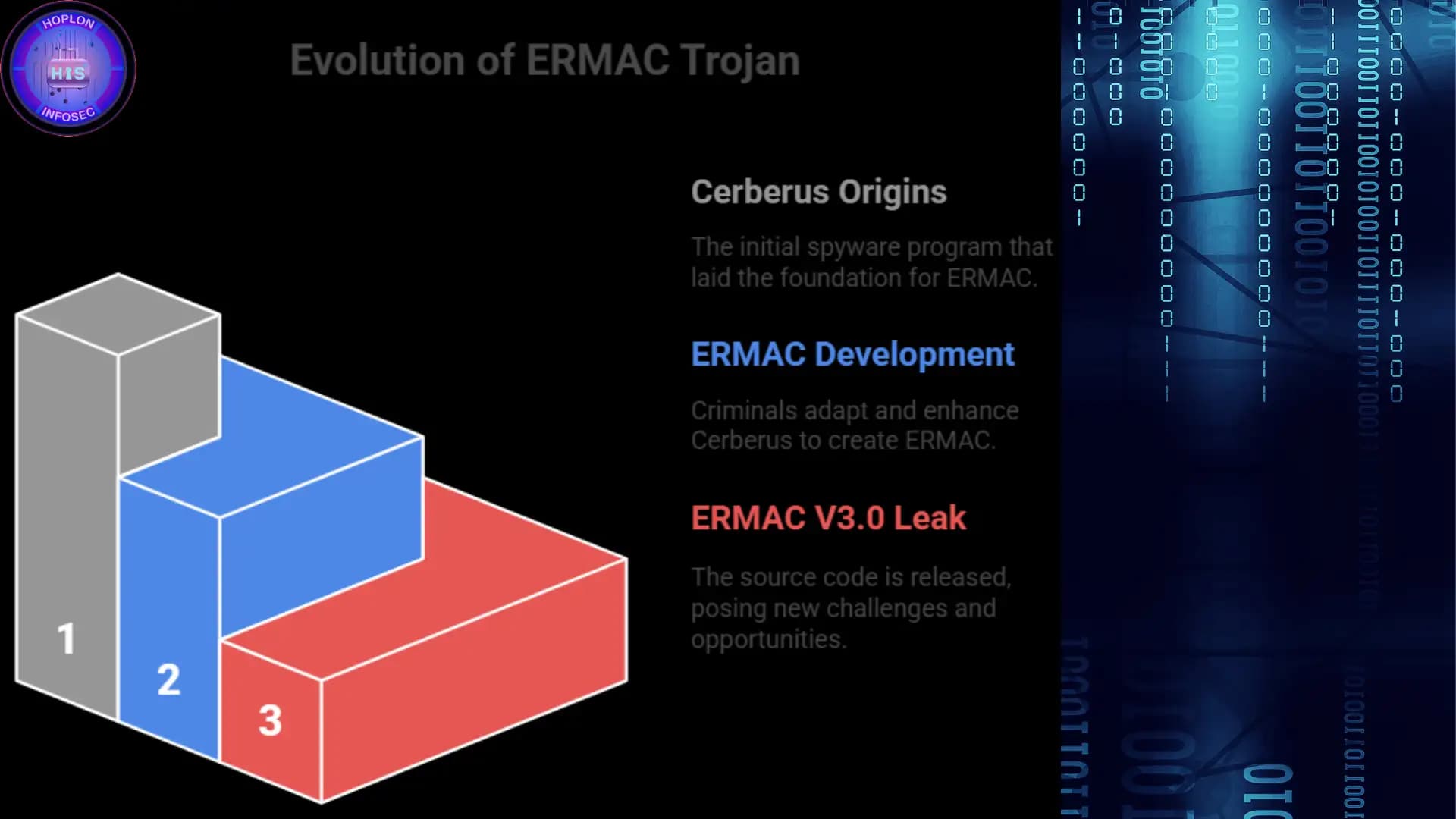
ERMAC originates from an earlier version of Cerberus, a spyware program that stole money from Android phones. Criminals adapted and enhanced it to create ERMAC. Cybercrime often builds upon previous tools, refining and repurposing them. The release of ERMAC V3.0’s source code represents the latest phase in this cycle.
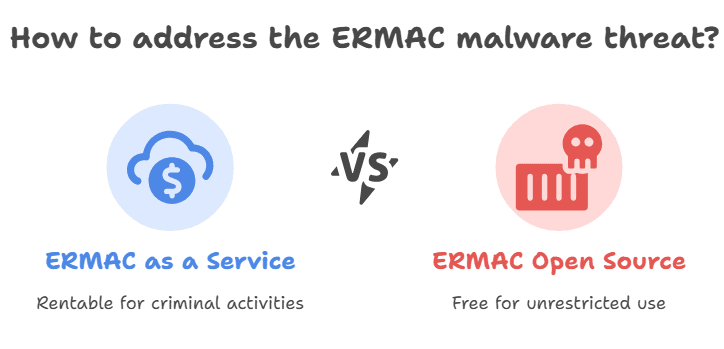
ERMAC’s effectiveness made it popular. It can steal personal data, display fake login pages on banking apps, and compromise Android devices. Its Malware-as-a-Service model allowed criminals to rent it instead of building one. With the source code now public, attackers no longer even need to pay for it.
Experts were surprised when version 3.0 was released. ERMAC was still targeting real-world victims when its source code became publicly available. This incident is alarming because a highly effective tool is now accessible to anyone with malicious intent.
Reports suggest the code was shared on private hacker forums. Reasons include personal disputes, bragging, or insider leaks. The ERMAC V3.0 source code became public due to a betrayal within the developer circle, highlighting how fragile trust is in criminal networks.
Security experts quickly analyzed the code to understand ERMAC’s operations and defensive strategies. At the same time, they warned that the public release could increase attacks since anyone could exploit the code.
Why ERMAC V3.0 Is Dangerous
ERMAC V3.0 can record keystrokes, read messages, perform overlay attacks, and bypass two-factor authentication. The public availability of these features makes it easier for criminals to deploy sophisticated attacks without developing the tools themselves.
Impact on the Finance and Banking Sectors
ERMAC targets financial services, collecting private data such as Bitcoin wallets, bank account details, and credit card information. The source code leak makes it harder for banks to defend against emerging variants, posing a serious threat to financial institutions.
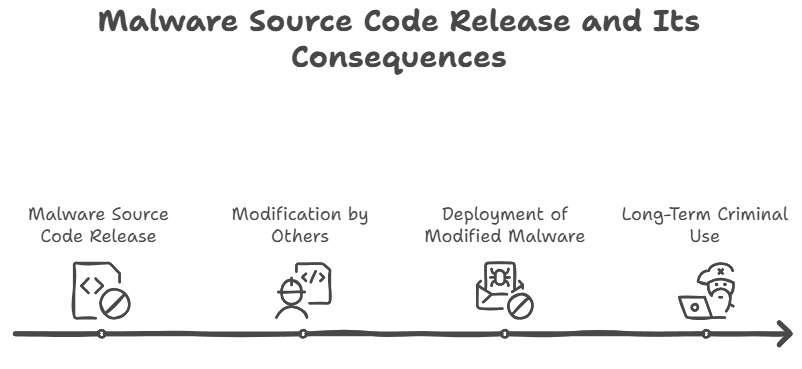
When malware source code is released publicly, risks escalate. Others can modify and deploy it, similar to teaching everyone how to make a weapon. ERMAC V3.0’s source code could be used for years by criminals.
Lessons from Previous Malware Releases
Historical releases, like Zeus and Mirai, show that public source code can lead to new malware generations. ERMAC V3.0 could trigger similar outcomes, with multiple variants causing ongoing attacks.
Private hacker forums facilitate the sale and distribution of malicious tools. ERMAC V3.0 illustrates how dangerous these platforms are, enabling rapid dissemination of malware information.
ERMAC has already caused financial losses in Europe and Latin America, posing as legitimate applications like browsers and cleaners. The source code leak increases the likelihood of future attacks.
Hackers can now create their own ERMAC variants or modify it with additional features. Novices can also operate it more easily, lowering the skill threshold for launching attacks.
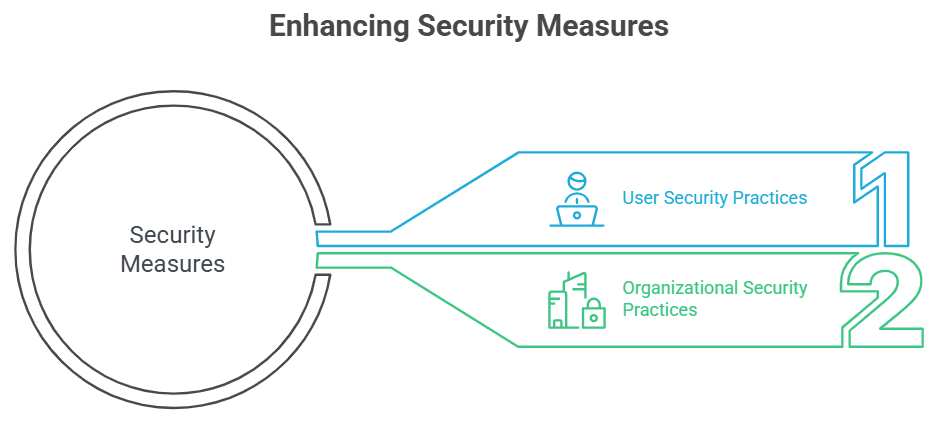
Users should use reliable security software, keep systems updated, and download apps only from trusted sources. Banks and organizations must train staff, educate clients, and strengthen fraud detection systems to reduce risk.
Summary Table
TopicKey PointsERMAC V3.0 Source Code DisclosureSource code released publicly; similar to a burglar sharing their plan online.OriginDerived from Cerberus spyware; enhanced for Android banking attacks.CapabilitiesSteals personal data, performs overlay attacks, records keystrokes, bypasses 2FA.Distribution ModelMalware-as-a-Service; criminals could rent it before, now public release removes this need.Public Release ReasonsInsider leak, personal disputes, bragging; trust issues in criminal networks.Security AnalysisExperts analyzed code to understand operations and defenses; warned about rising attacks.Danger LevelEasier for attackers to deploy sophisticated malware without creating tools.Impact on FinanceTargets banking apps, Bitcoin wallets, credit cards; source code leak increases risk.Historical LessonsPublic malware releases (Zeus, Mirai) often lead to new variants.Private ForumsEnable fast sale and distribution of malicious tools.Past LossesERMAC caused financial losses in Europe and Latin America via fake apps.Future RisksHackers can create new variants; lowers skill needed to launch attacks.Preventive Measures for UsersUse reliable security software, update systems, download apps from trusted sources.Preventive Measures for BanksStaff training, client education, stronger fraud detection systems.Overall ThreatPublic availability of ERMAC V3.0 makes financial institutions and users more vulnerable.
Final Thoughts on the ERMAC V3.0 Source Code Leak
The ERMAC V3.0 source code leak is a major event in cybersecurity. It highlights how technology can be misused when it falls into the wrong hands. The lesson is clear: defenders must remain vigilant, share knowledge, and constantly improve security measures.
For more services, go to our homepage.
Follow us on X (Twitter) and LinkedIn for more cybersecurity news and updates. Stay connected on YouTube, Facebook, and Instagram as well.