GreedyBear malware crypto theft
Imagine waking up one day to find your digital wallet completely empty. Thousands of dollars in cryptocurrency gone without any notification or warning. This nightmare became reality for many victims of the GreedyBear malware crypto theft. This massive cybercrime operation stole over $1 million by using more than 150 malicious Firefox wallet extensions. These extensions pretended to be helpful tools for managing cryptocurrencies but were actually designed to steal private keys and drain wallets silently. If you think this could never happen to you, listen carefully because this story reveals how easy it is to fall prey and how you can defend yourself.
What Actually Happened?
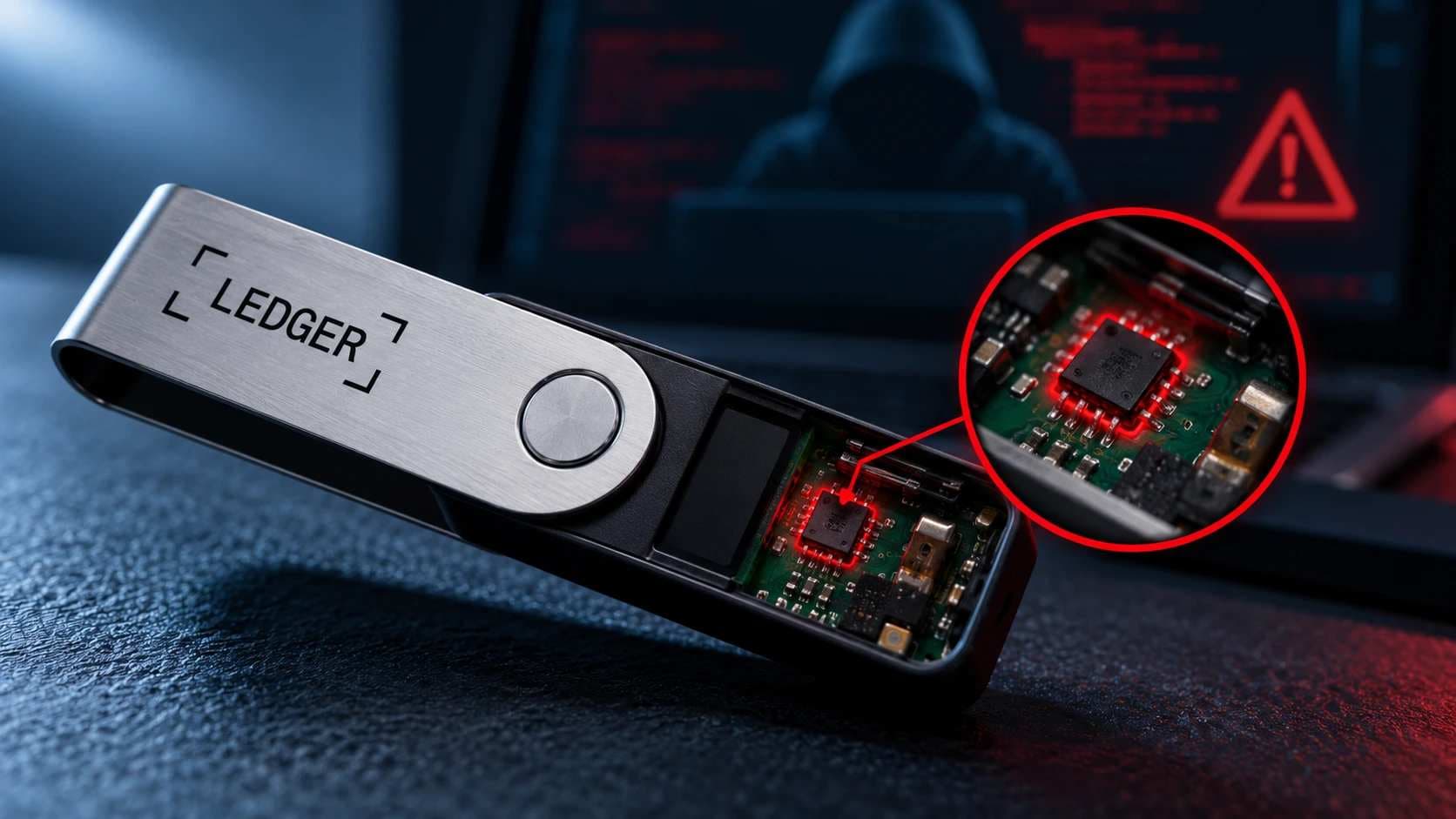
The GreedyBear malware crypto theft incident involved a large-scale campaign targeting cryptocurrency users who relied on browser-based wallets, particularly on Firefox. The criminals behind this attack created or took control of more than 150 Firefox wallet extensions. These extensions were crafted to look legitimate and useful, but their real purpose was to secretly capture sensitive data from users. Once installed, the malware monitored the activities of the victims, stealing private keys and seed phrases that control access to cryptocurrency funds.
This attack led to the theft of over one million dollars’ worth of cryptocurrency. What made it so effective was the scale and the stealth with which the malware operated. Many users installed these extensions trusting the Firefox Add-ons marketplace, believing these were safe tools. Unfortunately, the criminals exploited that trust. By quietly running in the background, the malware collected the necessary information without raising suspicion. The stolen credentials were then sent to the attackers, who emptied the victims’ wallets.
This incident highlights the risks involved in using browser extensions for managing cryptocurrencies. While extensions can offer convenience, they also introduce vulnerabilities that attackers like the GreedyBear group are eager to exploit. Understanding what happened is essential to recognizing how to protect yourself in the future.
How Did It Happen? Understanding the Workflow
Let me explain to you, step by step, how the GreedyBear malware crypto theft took place. Imagine we are sitting in a quiet room, and I am telling you the details without any rush.
First, the attackers created or hijacked more than 150 Firefox wallet extensions. These extensions were either newly made or altered versions of existing ones. The criminals embedded malicious code that allowed the extensions to spy on the users’ browser activity specifically related to cryptocurrency wallets.
Next, they uploaded these extensions to the official Firefox Add-ons marketplace or distributed them through deceptive links found on social media and fraudulent websites. Because the extensions looked trustworthy and promised useful features, many users installed them without verifying their authenticity.
After installation, the malicious code quietly activated in the background. It closely monitored the user’s interactions with popular wallet services like MetaMask, Binance Chain Wallet, and others. Whenever a user typed or pasted private keys or seed phrases, the malware captured this data immediately.
Then, the stolen information was sent to the attackers’ remote servers. With these private keys, the criminals gained full control of the victims’ cryptocurrency wallets. They accessed the wallets at their convenience and transferred funds to accounts that are very difficult to trace.
Finally, the malware used obfuscation techniques to hide its presence from security software and browser checks. This allowed it to continue stealing money for a long time before being detected and removed. This workflow demonstrates how multiple weaknesses were exploited, from extension vetting to user trust, and how the criminals systematically took advantage of them.
Who Was Behind the Attack?
The people behind the GreedyBear malware crypto theft were not amateurs or small-time hackers. This operation was conducted by an organized cybercrime gang with deep knowledge of cryptocurrency systems and browser security.
Experts tracking the attack believe the group is a network of experienced cybercriminals working across international borders. They appear to have specialists in programming malware, managing infrastructure, and laundering stolen funds. The gang is known for using social engineering techniques to trick users into installing malicious extensions and for creating fake accounts to publish malware repeatedly even after being removed.
Because the attackers operated from countries with weak cybercrime enforcement, it has been difficult for law enforcement to capture or prosecute them. This also explains their boldness in deploying more than 150 malicious Firefox wallet extensions without being stopped sooner.
The group’s ability to quickly upload new extensions after old ones were taken down shows they are highly persistent and well-funded. They also automate many tasks, such as creating fake reviews to boost downloads, making it harder for users to distinguish genuine extensions from fake ones.
This organized approach makes the GreedyBear malware crypto theft one of the most dangerous and successful crypto theft campaigns seen so far.
Consequences and Financial Impact

The financial impact of the GreedyBear malware crypto theft was severe. More than $1 million in cryptocurrencies disappeared from victims’ wallets. While some losses were small, others involved entire life savings.
For many individuals, this loss was devastating both financially and emotionally. Cryptocurrency investors often keep large amounts in their wallets for long-term purposes. Having these funds stolen without warning feels like a complete betrayal by the technology they trusted. Some victims report that the stolen money was intended for important life goals such as education, healthcare, or family support.
From a social perspective, this attack damaged trust in browser-based wallet extensions. Media coverage raised awareness but also created fear among crypto users. Some stopped using browser wallets entirely, switching to hardware wallets or more secure alternatives.
On the international level, this incident raised questions about regulation of browser extension marketplaces and the need for cross-border cooperation against cybercrime. Firefox faced criticism for not detecting and removing so many malicious extensions sooner. This incident has pushed tech companies to improve security reviews and monitoring processes.
Overall, the consequences of the GreedyBear malware crypto theft go beyond money lost. It affected public trust, regulatory discussions, and the general perception of cryptocurrency security.
How to Protect Yourself
Now, let me quietly share some important advice you need to keep your cryptocurrency safe from malware like GreedyBear.
First, always download wallet extensions only from official and highly trusted sources. Do not trust links from social media or unknown websites without verifying them.
Second, check the developer’s credentials before installing any extension. Look for reviews, reputation, and developer background. Be suspicious if you find little or no information.
Third, keep your browser and all installed extensions up to date. Developers release updates to fix security issues regularly.
Fourth, for storing large amounts of cryptocurrency, use hardware wallets instead of browser extensions. Hardware wallets keep your private keys offline and safe from remote theft.
Fifth, enable two-factor authentication on all your cryptocurrency accounts whenever possible. This adds an extra layer of security.
Sixth, monitor your wallet activity regularly. Early detection of suspicious transactions can help you act quickly.
Seventh, never share your private keys or seed phrases with anyone. Legitimate services will never ask for this information.
Eighth, install trusted antivirus and anti-malware software on your devices. These tools can detect and remove threats before they cause damage.
Ninth, educate yourself continuously about crypto security. New threats emerge frequently, so staying informed is crucial.
By following these steps, you greatly reduce your chances of falling victim to GreedyBear malware crypto theft or similar attacks.
Lessons Learned
This GreedyBear malware crypto theft taught us valuable lessons about the dangers lurking in the digital world.
First, trust but verify. Just because an extension looks official does not mean it is safe. Always double-check.
Second, the convenience of browser wallets comes with risks. Malware can hide in extensions that you may never suspect.
Third, keeping your security knowledge up to date is essential. The attackers improve their methods constantly.
Fourth, storing significant cryptocurrency offline in hardware wallets is the safest option.
Fifth, report suspicious extensions and educate your friends and family about these threats.
From my experience observing cybercrime, the GreedyBear malware crypto theft is a warning sign for everyone using cryptocurrency. Being careful, staying informed, and using proper tools are your best defenses.
Quick Summary: Protect Yourself from GreedyBear Malware Crypto Theft
Install extensions only from trusted sources.
Verify developer details and reviews.
Update browsers and extensions regularly.
Use hardware wallets for large amounts.
Enable two-factor authentication.
Monitor wallets frequently.
Never share private keys or seed phrases.
Use antivirus and anti-malware software.
Stay educated about crypto threats.
Action Table
ActionDescriptionWhy It MattersInstall Trusted Extensions OnlyUse official sources with verified developer infoReduces risk of installing malicious codeVerify Developer and ReviewsResearch extension developers and read user feedbackHelps avoid fake or compromised extensionsKeep Software UpdatedRegularly update browser and extensionsFixes security vulnerabilitiesUse Hardware WalletsStore large crypto amounts offlinePrevents remote theft of private keysEnable Two-Factor AuthenticationAdd extra verification for crypto accountsProtects accounts even if passwords leakMonitor Wallet ActivityCheck transaction history frequentlyEarly detection of unauthorized accessNever Share Private KeysKeep seed phrases and private keys confidentialPrevents unauthorized wallet controlInstall Antivirus SoftwareUse trusted security tools on devicesDetects and removes malware infectionsStay EducatedKeep up with crypto security news and best practicesAdapts your defense to evolving threats
Final Words
At Hoplon Infosec, we understand the damage cybercriminals like the GreedyBear gang cause. We provide expert cybersecurity research and training designed to protect individuals and organizations from malware and crypto theft. Our team works on uncovering emerging threats and teaching best practices to keep your digital assets safe. Cybersecurity is not just technology; it is about awareness, education, and being prepared. Trust us to help you build stronger defenses against attacks like the GreedyBear malware crypto theft.
Stay alert. Stay protected. And keep your crypto safe.
Explore our main services
For more services, go to our homepage.
Follow us on X (Twitter) and LinkedIn for more cybersecurity news and updates. Stay connected on YouTube, Facebook, and Instagram as well.