
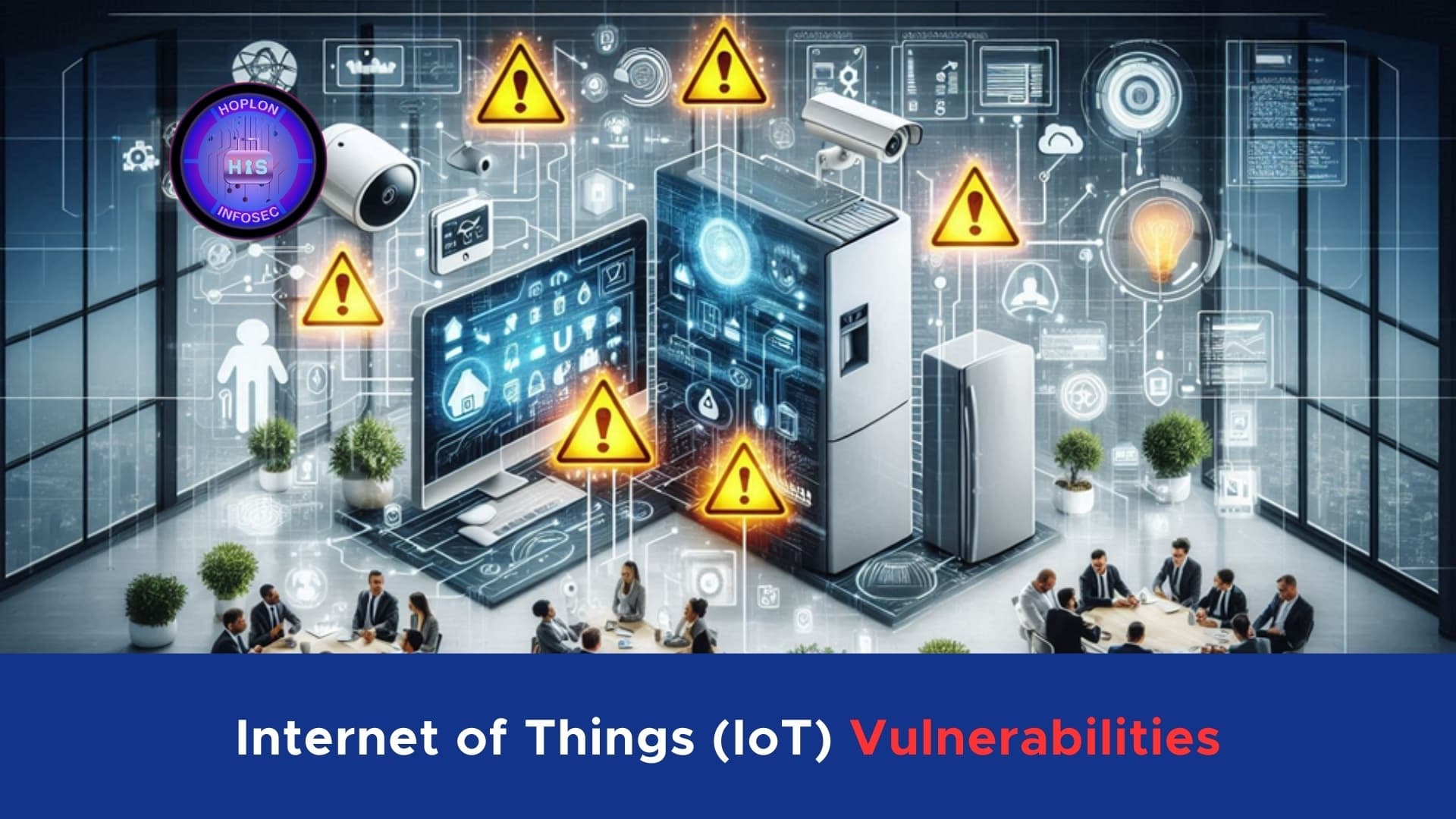
The Internet of Things (IoT) will continue to expand rapidly in 2025, with billions of connected devices influencing every aspect of our lives—from smart homes and healthcare to manufacturing and critical infrastructure. However, this explosive growth has also led to a significant increase in cybersecurity risks. IoT vulnerabilities have emerged as one of the most pressing cybersecurity challenges, exposing sensitive information and creating unprecedented security risks. In this blog, we will delve into the principal vulnerabilities of IoT devices in 2025 and analyze two massive attacks that highlight the severity of these threats.
Common IoT Vulnerabilities in 2025
As IoT adoption increases, several critical vulnerabilities threaten device security and network integrity. Weak authentication practices, such as default credentials or simplistic passwords, remain common, making IoT devices susceptible to unauthorized access. Many devices also suffer from inadequate firmware updates, exposing them to known exploits. Additionally, poor encryption of data transmissions and insecure interfaces or APIs create further opportunities for attackers to compromise sensitive information and gain network access. The complexity and interconnectedness of IoT supply chains further exacerbate these vulnerabilities, providing attackers with numerous entry points.
Massive Attack Case Studies
Mirai Botnet Resurrection (2025)

In early 2025, cybersecurity experts witnessed a devastating resurgence of the infamous Mirai botnet, aptly named “Mirai Resurrection.” Initially emerging in 2016, Mirai exploited IoT devices through weak authentication mechanisms, primarily using default passwords. The new wave of Mirai attacks was significantly enhanced through artificial intelligence (AI), enabling automated scanning of billions of IoT devices at unprecedented speed and accuracy.
Mirai Resurrection compromised over 5 million devices within days, primarily targeting home automation devices, security cameras, smart TVs, and industrial sensors. The attackers orchestrated a massive Distributed Denial-of-Service (DDoS) attack, targeting major DNS providers and cloud infrastructure. The result was catastrophic: critical online services, including healthcare telemedicine platforms, banking services, and streaming giants, experienced extended outages globally.
This attack demonstrated the severe impact IoT vulnerabilities could have, emphasizing the urgency of improving authentication practices and regular security updates across all IoT device categories.
Smart City Infrastructure Attack (2025)
Another significant incident unfolded in mid-2025 when cyber attackers simultaneously targeted smart city infrastructures in multiple metropolitan cities across Europe and North America. The attackers exploited insecure APIs and weak backend security within IoT-based city management systems, infiltrating traffic management, public surveillance cameras, and utility management devices.
In this unprecedented cyberattack, malicious actors remotely disabled critical systems controlling traffic lights, public transportation networks, and emergency response units, resulting in severe disruptions and chaos across multiple major cities. As attackers manipulated traffic signals and disrupted emergency communication channels, public safety was compromised.
The aftermath was profound, both financially and socially. Authorities scrambled to restore public services, incurring significant economic losses. The incident prompted urgent legislative reforms and stronger cybersecurity compliance mandates, particularly around smart city deployments, highlighting that IoT security had become a national and global security priority.
Why IoT Vulnerabilities Persist in 2025
Despite awareness and previous high-profile incidents, IoT vulnerabilities persist due to rapid innovation often taking precedence over thorough security testing. Moreover, the lack of universally enforced regulatory standards results in inconsistent security practices. Complex IoT supply chains introduce multiple vulnerabilities, and limited user awareness exacerbates security risks.
Strategies to Mitigate IoT Risks
Addressing IoT vulnerabilities requires proactive measures, including implementing strong authentication methods and advanced encryption standards. Regular and timely firmware updates are essential to safeguard devices from known exploits. Adopting zero-trust security architectures can effectively limit the spread of threats. Enhanced regulatory compliance is crucial to ensuring manufacturers adhere to stringent cybersecurity standards. Additionally, comprehensive security awareness and training programs for users significantly reduce vulnerabilities arising from negligence.
The Road Ahead
As the number of IoT devices skyrockets, projected to surpass 50 billion by 2030, the urgency of securing this vast digital landscape is more critical than ever. The Mirai Resurrection and Smart City Infrastructure attacks of 2025 underline the high stakes involved, clearly showing that vulnerabilities in IoT devices pose threats far beyond inconvenience—they risk public safety, economic stability, and national security.
The path forward necessitates collaborative efforts from manufacturers, governments, cybersecurity professionals, and end-users. IoT security must no longer be an afterthought but fundamentally integrated into device design and deployment.
Only through proactive, collective action can we safely harness IoT’s true potential and ensure a secure, resilient, and connected future.
Conclusion
In conclusion, IoT vulnerabilities pose a critical cybersecurity challenge in 2025. The events highlighted in this blog underscore the urgent need for comprehensive security strategies and collaboration across industry, government, and individual users. Strengthening IoT security is paramount to ensuring the resilience and integrity of our increasingly interconnected world.
References
https://ieeexplore.ieee.org/xpl/RecentIssue.jsp?punumber=6488907
https://www.cisco.com/c/en/us/solutions/executive-perspectives/annual-internet-report/index.html