Is the Iskra iHUB flaw as bad as it sounds?
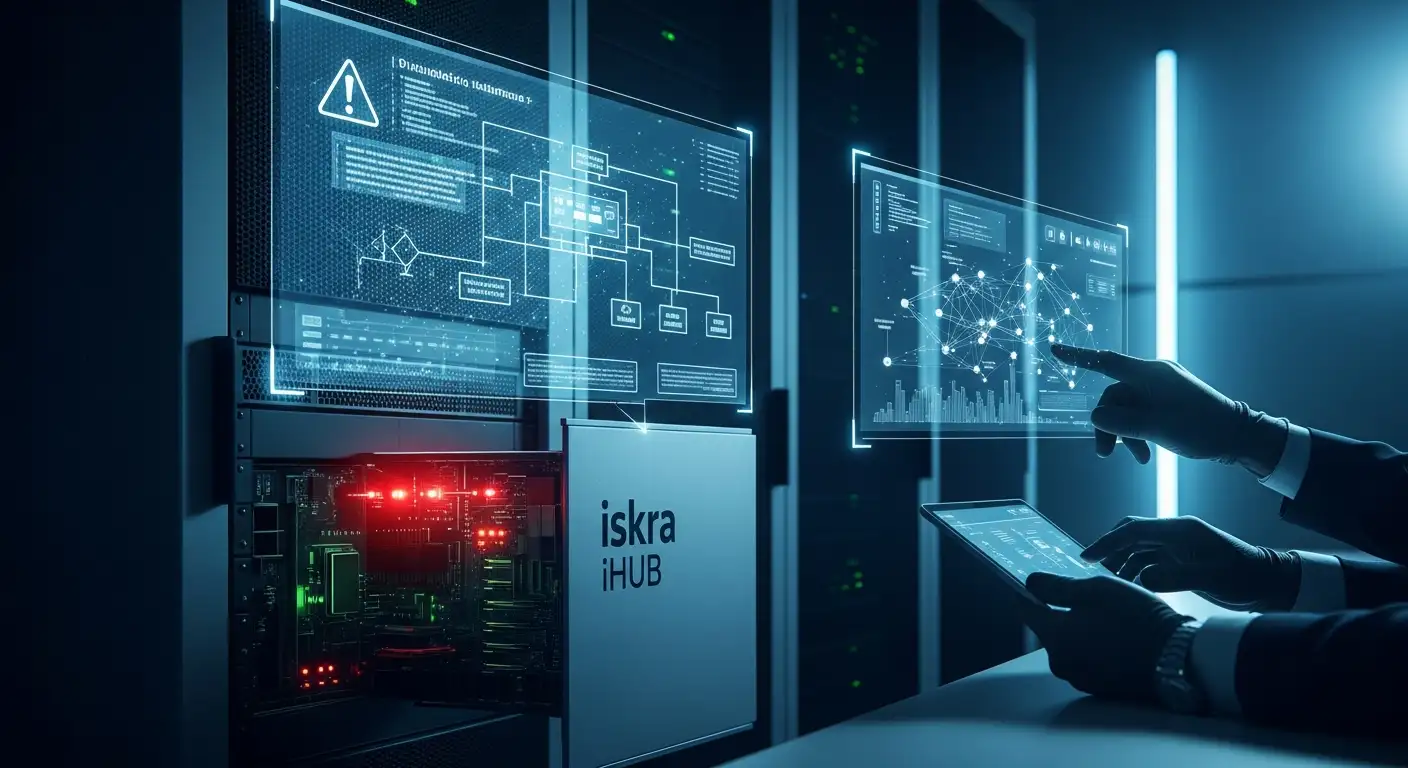
If you've heard about the new Iskra iHUB vulnerability and are wondering if attackers can really change device settings without logging in, the short answer is yes. CISA confirmed on December 2, 2025, that CVE-2025-13510 lets anyone who gets to the web interface change the settings on these devices. There is no password. No problem. Nothing in the way.
When you first read this, it seems almost impossible that a smart metering gateway used in energy networks would miss such a simple way to verify identity. But that's what makes this discovery so scary. It's easy to avoid, and it affects all versions of iHUB and iHUB Lite.
Why is this weakness important?
Picture going into a control room and finding out that the door was never locked. This is how CVE-2025-13510 works. Anyone who can get to the Iskra iHUB devices' web interface on a network can use it. There is no login screen. You don't need any credentials. The device just lets you in.
This problem is a type of missing authentication that is well-known. Security engineers talk about it a lot because it's the kind of flaw that attackers look for. All it takes is one open interface for people outside the company to change the settings on a device or upload any firmware they want.
It's even more worrying that these devices are so common. People often use Iskra iHUB units to collect data from smart meters. They sit in the middle, gathering information, sending it on, and quietly playing an important role in the energy infrastructure. If someone messes with one gateway, the effects don't just stay with that device. It can spread through the system behind it.
A closer look at what an attacker could do
This weakness is real. People who get to the management interface can do things like upload firmware, set up the network, change how metering works, and see reported data. That kind of access changes everything because it's not just about looking at data. It's about changing it.
Think about how much utilities trust these gateways. They depend on them to get accurate meter readings, keep in touch with thousands of endpoints, and stay in sync with backend systems. A bad configuration could change readings, stop operations, or even cover up signs of tampering.
Researchers in security have said that an attacker could quietly add harmful firmware that is meant to stay hidden, change how data is reported, or make a foothold that goes deeper into the organization's network. It's not just a metering problem anymore once the gateway is hacked. It's a risk to the way things work.
For an energy provider, that could mean bad billing data, a system that doesn't work right, or even worse, a way into important systems.
What makes CVE-2025-13510 so hard to deal with
One of the most annoying things about this is that there isn't a vendor patch yet. When vulnerabilities are found, the vendor usually works quickly to release new firmware and instructions. But in this case, CISA said that the vendor hasn't responded to attempts to work together. That puts companies in a tough spot.
Operators have to depend on network protections alone if there is no patch. Separation is the first line of defense. Firewalls are very important. Any interface that is open is a risk right away. And since so many deployments use these gateways as part of bigger systems, it's not always easy to shut them down or replace them completely.
This is how small design mistakes can lead to big, long-lasting problems with infrastructure.
What groups can do right now?
There are ways to lower the risk even without a vendor patch. Isolation is the most important thing to do right now. If you can get to an iHUB device from the Internet or an unprotected network, that needs to change right away. This is where network segmentation comes in. It's much harder for attackers to get to these devices if they are behind restricted internal networks.
Companies should also make sure that remote access is only possible through secure channels like VPNs, not direct connections. If you log and monitor your system, you can find strange behavior like sudden changes to settings or restarts that don't make sense. These may seem like small things, but they are very important without a patch.
It's also important to check the whole inventory. A lot of companies don't know exactly where all of their devices are, what networks they're connected to, or if some of them are accidentally exposed. Mapping them out helps set priorities and fill in the gaps.
An example from the real world
Imagine a utility company working in a medium-sized city to see how bad this vulnerability could be. They have put in hundreds or even thousands of smart meters that are linked together by iHUB gateways. Their network is mostly safe, but one gateway ends up on a part that wasn't set up correctly to keep people out.
An attacker looks for open interfaces by scanning random IP ranges. They can just open the control panel and change the settings because the vulnerability doesn't require authentication. They might upload a firmware file that has been changed. They might change how meter readings are sent.
The utility won't notice anything right away. The readings on the meter will seem wrong, the bills will be wrong, and the gateway might even start talking to servers that the company doesn't own. The attacker could have made a lot of new paths through the network by the time the team finds out about the breach.
A problem that started with one gateway could end up messing up the whole flow of operations.
Important points
When you look closely at this vulnerability, you can see a few important lessons.
First, even the most basic security needs are important. Not authenticating is an easy mistake, but it can quickly become dangerous in critical infrastructure. Second, businesses need to take gateways and smart meters as seriously as they do servers and core systems. These devices might be small, but they are a big part of important services.
Third, the fact that the vendor hasn't responded should make organizations take action on their own. Waiting for a fix that won't come soon won't keep attackers out.
This event also shows how important it is to design things that are safe. Critical infrastructure can't afford to take shortcuts or assume that users will keep their devices safe on the network side. At the device level, security must begin.
Questions and Answers
What does CVE-2025-13510 mean?
It is a serious flaw in Iskra iHUB and iHUB Lite devices that lets people access the management interface without having to log in.
How bad is this weakness?
It's very serious. Anyone who gets to the interface can change settings or upload new firmware.
Has Iskra put out a patch?
Not at this time. CISA says that the vendor has not replied.
What should businesses do first?
Immediately separate the devices from networks that aren't trusted, limit access, and enforce segmentation.
Last thoughts
The Iskra iHUB vulnerability shows us that even a small problem, like a missing login screen, can lead to a big security problem. Smart metering gateways aren't very exciting, but they are a necessary part of the machinery that powers whole regions. When a device like this gets weak, the effects can be big.
Network isolation and careful monitoring are the best things you can do until a patch comes out. Now is the time to check where your organization's gateways are, update your controls, and make sure nothing is exposed if it’s important to your business.
You can also read these important cybersecurity news articles on our website.
· Apple Update,

-20260925120840.webp&w=3840&q=75)