
As the cybersecurity landscape continues to evolve at breakneck speed, the past weeks have delivered several high-profile breaches, emerging threats, and critical policy developments. From one of the largest social media data leaks to new AI-driven attack strategies, here is a detailed look at what has been shaping the cyber world recently.
Cybersecurity News: Major Cybersecurity Incidents
1. Facebook’s Largest-Ever Data Breach
In what may be the biggest social media breach in history, a hacker known as “ByteBreaker” claims to have accessed and leaked data from 1.2 billion Facebook accounts. The exposed data includes names, emails, phone numbers, and location details. The alleged breach, currently under investigation by multiple cybersecurity firms, has raised serious alarms across the industry.
Reports suggest the data may have been scraped using automation and API manipulation techniques. Screenshots from the dark web reveal that the data is being sold in bulk packages, targeting threat actors interested in large-scale phishing and identity fraud operations. Meta has issued a preliminary statement denying a direct server breach, instead attributing the incident to third-party scraping. Cybersecurity experts warn that even if Facebook’s servers were not directly breached, the platform’s data access policies could face legal scrutiny.
Implication: If authenticated, the breach will significantly undermine public trust in Meta’s data protection capabilities. It could also lead to increased regulatory scrutiny under global privacy laws such as GDPR and the California Consumer Privacy Act (CCPA). Users may face increased phishing attacks and identity theft, especially those whose data were part of the leak.
2. U.S. Indicts 16 Russians in DanaBot Malware Case
The U.S. Department of Justice has formally charged 16 Russian nationals for their involvement in DanaBot malware distribution. This banking Trojan has been used in various fraud and ransomware campaigns since 2018. It is particularly notorious for its modular architecture, which allows attackers to update functionalities in real time.
According to the indictment, the group behind DanaBot operated as a cybercrime syndicate with distinct roles for infrastructure management, malware development, and laundering of stolen funds. The malware was used to steal banking credentials, facilitate unauthorized wire transfers, and distribute ransomware payloads. DanaBot was especially dangerous because of its ability to inject malicious code into legitimate banking sessions, thereby bypassing two-factor authentication.
The investigation was aided by international law enforcement cooperation across the EU, Canada, and Australia. Digital forensics from seized infrastructure revealed connections to several high-profile banking fraud cases across Eastern Europe and Asia.
Implication: The international crackdown demonstrates the growing cooperation between global law enforcement agencies and tech firms. It also signals to cybercriminal groups that there are consequences to cross-border cybercrime activities. Financial institutions are encouraged to review their anti-fraud protocols and monitor for indicators of DanaBot.
3. UK Ministry of Justice Data Breach
Hackers exploited legacy systems within the UK Ministry of Justice, stealing sensitive records including national insurance numbers and financial information of legal aid applicants dating back over a decade. This breach was reportedly enabled by outdated software and insufficient segmentation between internal databases.
The breach first came to light when a routine audit flagged irregular access patterns. Following an internal investigation, it was revealed that unauthorized parties had been siphoning data for several months. The Ministry has since issued an apology and is working closely with the UK National Crime Agency and cybersecurity consultants to remediate the incident and fortify their systems.
Cybersecurity experts point to a broader problem: many public-sector institutions rely on outdated IT infrastructure that is vulnerable to exploitation. The Ministry’s lack of encryption for older records and weak internal access controls further worsened the situation.
Implication: This incident underscores the urgent need for governments to modernize IT systems and implement zero-trust architecture to safeguard citizens’ personal data. The UK government is expected to allocate additional funding toward cybersecurity modernization in upcoming budgets.
4. Russian Hackers Target Western Aid to Ukraine

Intelligence agencies confirm that Russian military-backed hackers have been targeting firms responsible for logistics and aid distribution to Ukraine. These state-sponsored groups, particularly linked to the Russian GRU (Main Intelligence Directorate), have launched cyber-espionage campaigns against both governmental and private organizations involved in Ukraine-related operations.
The operations have included highly targeted spearphishing emails sent to key personnel within logistics, defense, and nonprofit organizations. These emails often impersonate trusted partners or officials and contain malware-laden attachments or links leading to credential harvesting portals. Once inside networks, the attackers aim to gain persistent access, exfiltrate data, and disrupt communication lines.
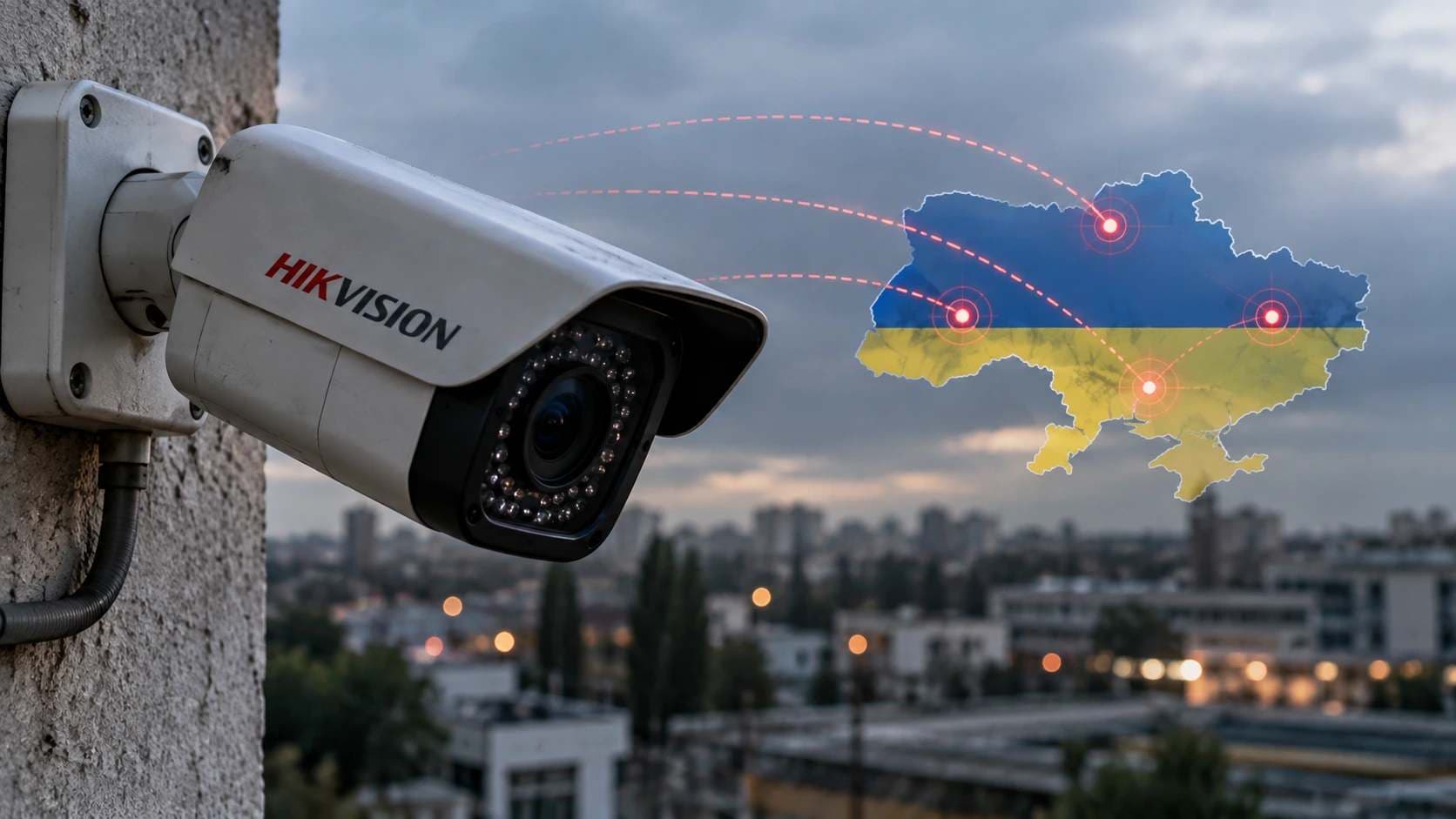
In a more aggressive phase of the campaign, Russian actors hijacked over 10,000 internet-connected surveillance cameras located near NATO-aligned border crossings, rail hubs, and aid depots. These compromised devices have reportedly been used to monitor the movement of weapons and humanitarian convoys entering Ukraine from allied countries.
The UK’s National Cyber Security Centre (NCSC), along with counterparts from the U.S., Canada, and several EU nations, has issued joint advisories warning about these coordinated efforts. As part of their guidance, they recommend implementing robust endpoint detection, multi-factor authentication (MFA), patching critical vulnerabilities, and increasing cybersecurity training for logistics and humanitarian personnel.
Implication: These attacks are part of broader hybrid warfare strategies aiming to disrupt military and humanitarian support for Ukraine. They illustrate the growing use of cyber operations to supplement traditional military campaigns. Organizations working in or near conflict zones must invest in advanced threat intelligence, adopt zero-trust network architectures, and ensure physical security is aligned with digital defense protocols.
Emerging Threats & Malware Developments
1. LummaC2 Malware Targets U.S. Critical Infrastructure
LummaC2 malware has evolved into a sophisticated threat targeting critical infrastructure in sectors like energy, healthcare, and manufacturing. It features capabilities such as session hijacking, keystroke logging, and remote command execution. Originally detected in late 2023, this malware has shown the ability to adapt rapidly to detection mechanisms.
Recent variants use encrypted communication channels and polymorphic code to evade antivirus systems. CISA has issued multiple alerts recommending the isolation of infected endpoints, monitoring of outbound traffic to suspicious domains, and the use of behavioral anomaly detection tools.
Implication: Critical infrastructure operators must prioritize network segmentation, behavioral analytics, and incident response planning to defend against this advanced malware. Incident response drills and simulated attack exercises are now considered essential.
2. Commvault Metallic SaaS Exploit
Commvault confirmed that threat actors have potentially accessed privileged credentials through their Microsoft 365 backup solution, Metallic. While no customer data exposure has been confirmed, the risk of lateral movement within M365 environments is high.
Investigators suspect the breach may have originated from misconfigured access policies or unpatched vulnerabilities in OAuth tokens. Commvault has advised clients to rotate credentials, audit their integrations, and enforce conditional access rules.
Implication: This serves as a cautionary tale for SaaS providers and clients alike: even backup services must undergo rigorous security audits and access control validation. Companies relying on cloud services must ensure continuous monitoring and secure-by-design principles.
3. AI-Generated Voice Clones Used in Scams

Cybercriminals have begun using advanced artificial intelligence tools to generate realistic voice clones of high-profile individuals, including U.S. government officials and corporate executives. These voice clones are then used in vishing (voice phishing) campaigns where victims are manipulated into sharing sensitive data or transferring funds, believing they are speaking with a trusted authority.
These AI-powered scams often target finance departments, executive assistants, and technical support teams with urgent-sounding messages. The voice replicas are generated using publicly available audio, such as interviews or conference recordings, and can be created within minutes using deep learning platforms.
Implication: Organizations must implement strict identity verification procedures for voice communications, especially in financial or high-privilege interactions. Security awareness training must now include recognition of synthetic audio threats, and businesses should adopt biometric voice authentication or secure callback protocols.
4. From Ransomware-as-a-Service to AI-as-a-Service
The traditional ransomware-as-a-service (RaaS) model, where developers rent out ransomware kits to affiliates, is evolving. A new trend, AI-as-a-service is gaining traction in the underground cybercrime ecosystem. This model offers pre-trained machine learning algorithms that assist with tasks such as intelligent phishing email generation, automated malware obfuscation, and adaptive code injection.
These services allow even low-skill cybercriminals to deploy sophisticated attacks with minimal effort. Some marketplaces now offer “chatbot phishing kits” capable of engaging with victims in real-time using natural language models.
Implication: The democratization of AI in the threat landscape is accelerating attack sophistication. Cybersecurity teams must adopt AI-driven defenses, including anomaly detection and threat modeling systems, to keep pace. Regulatory discussions are also beginning to focus on how to manage and monitor the sale of dual-use AI technologies.
Industry Trends and Policy Developments

1.Tech Layoffs Amid AI Disruption
More than 61,000 jobs have been cut across over 130 technology companies, including industry leaders like Microsoft, Google, Amazon, and cybersecurity firm CrowdStrike. These reductions are attributed to slowed global revenue growth, economic uncertainty, and the disruptive implementation of AI and automation across business functions.
The cybersecurity industry is not immune. Several mid-level security analyst and incident response roles have been eliminated, replaced by AI-powered SOC (Security Operations Center) tools capable of performing log analysis, alert prioritization, and even basic threat hunting.
Implication: While AI improves operational efficiency, it also necessitates a workforce transition. Cybersecurity professionals must now focus on strategic roles such as threat modeling, AI governance, incident response orchestration, and ethical AI oversight. Upskilling initiatives and certifications in AI-security integration are becoming critical for job security.
2. Budget Cuts at CISA Threaten U.S. Cybersecurity
The Cybersecurity and Infrastructure Security Agency (CISA), the lead U.S. agency in defending against cyber threats, is facing significant budget cuts. These reductions threaten to delay the rollout of key initiatives such as zero-trust adoption, cyber resilience for small businesses, and public-private threat intelligence sharing programs.
Experts warn that budget constraints could severely hinder proactive defense efforts at a time when state-sponsored cyber activity from adversarial nations like China, Russia, and Iran is escalating.
Implication: Without sustained funding, national cyber defenses risk becoming reactive rather than preventative. Security leaders are urging policymakers to prioritize cyber spending in national security budgets and consider public-private partnerships to bridge capability gaps.
Global Perspectives
1. India’s Cybersecurity Readiness Under Scrutiny
According to Cisco’s 2025 Cybersecurity Readiness Index, only 7% of organizations in India are adequately prepared to face modern cyber threats, particularly those driven by AI. Key challenges include a shortage of skilled cybersecurity professionals, limited investment in advanced technologies, and fragmented regulatory enforcement.
Many Indian businesses still lack fundamental security controls such as regular patch management, encrypted communications, and zero-trust access. Small and medium-sized enterprises are especially vulnerable due to budget limitations and lack of cyber insurance.
Implication: India’s IT sector must accelerate its security posture through workforce development, threat intelligence collaboration, and stronger government incentives. A public awareness campaign and subsidies for cybersecurity solutions may help bridge the current gaps.
2. India Increases Cybersecurity Spending Amid Tensions
Amid rising geopolitical tensions especially with Pakistan, Indian enterprises and government agencies are significantly increasing cybersecurity investments. Banks, telecom providers, and critical infrastructure operators are focusing on endpoint security, intrusion detection systems, and employee awareness training.
Defense organizations have also initiated collaboration with Israeli and European cybersecurity firms to boost real-time threat analysis and cross-border intelligence.
Implication: While the reactive spending surge is promising, sustainable improvement will require long-term planning, regulatory modernization, and deeper collaboration between industry and academia. India is poised to become a major cybersecurity hub if these efforts are institutionalized.
Final Thoughts
From massive data breaches and nation-state espionage to disruptive AI-powered threats and shifting global defense policies, the cybersecurity landscape is undergoing a profound transformation. These developments underscore a growing truth: cybersecurity is not just a technical discipline but a strategic imperative.
Organizations must invest in proactive defense strategies, adopt AI responsibly, and foster a culture of security awareness. Governments must support these efforts through sound policies, adequate funding, and international cooperation.
In an era where cyber risk is business risk, staying informed is no longer optional; it is essential for resilience.