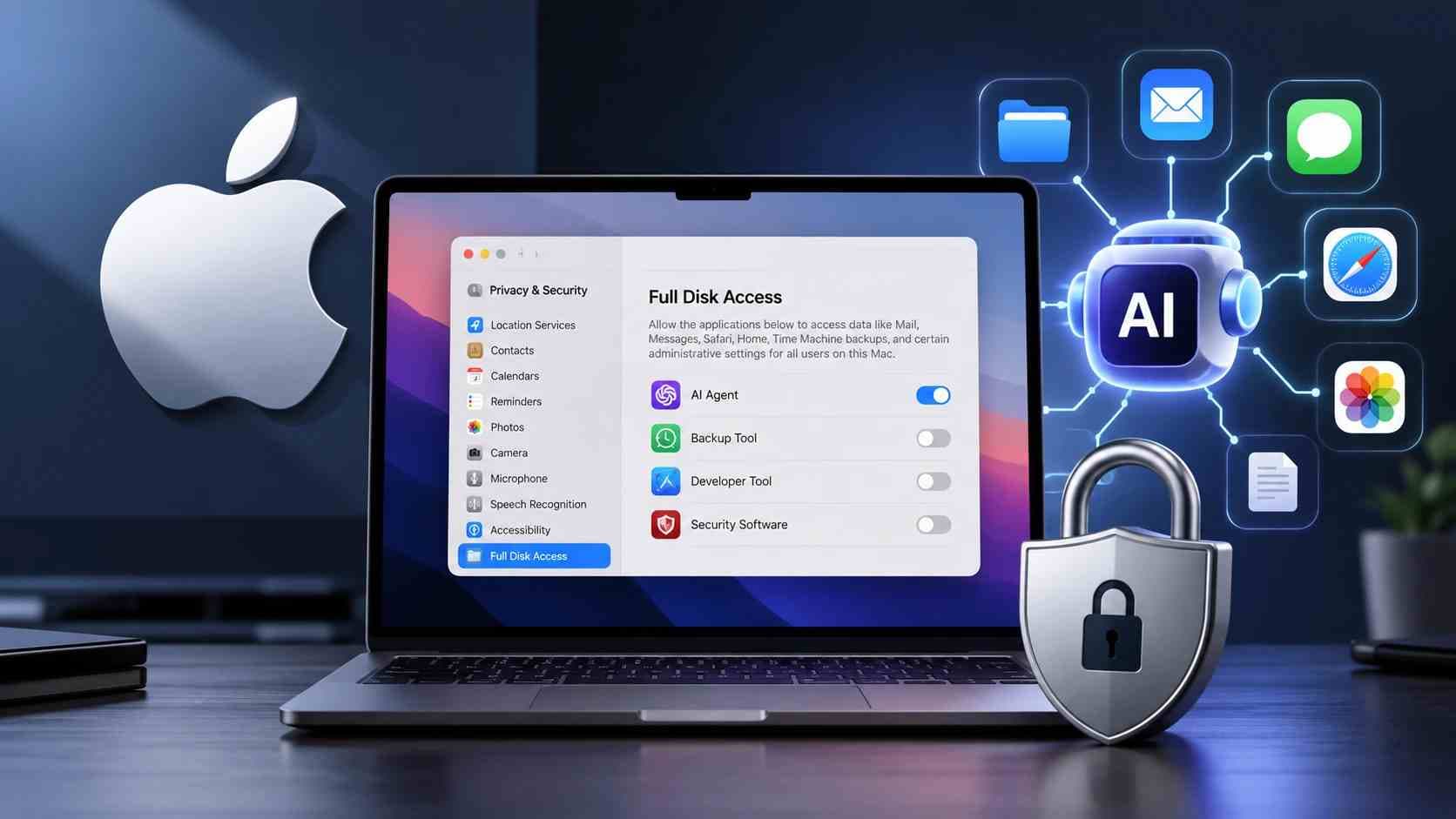
I once saw a friend pay for coffee with a tap of their phone, and then a minute later they got a strange text about their bank. It didn't seem real. That quick moment showed how weak the network and our devices' trust in each other really are. Mobile network security is the work that goes on behind the scenes to keep those times from becoming crises.
We don't see most of this work. It runs in the background, doing checks, handshakes, encryption, and checks again. We don't even notice when it's done well. When it's not there, we get fraud, privacy breaches, and worse. This article talks about how that work that can't be seen really happens and what people and operators can do about it.
What does mobile network security mean and why is it important?
Mobile network security is all the things that are done to protect wireless networks, the devices that use them, and the data they carry from being listened to, changed, or interrupted. The phrase includes both technical tools like encryption and operational practices like monitoring and responding to incidents. It also talks about rules and policies. When the chain breaks, things we do every day can go wrong.
Why is this important now? Mobile connectivity is more important to our lives than ever. A lot depends on those radio waves, from banking apps to telemedicine to industrial sensors. A weak link in the chain can affect a single login, a hospital, or important infrastructure.
That is why standards groups and security teams from all over the world are paying a lot of attention to the field.
Risks in the real world and the modern threat landscape
There are many kinds of threats. Some hackers want to get your personal information and credentials. Some do denial of service attacks, which make a service unavailable.
Some people try to pretend to be a cell tower to follow or stop traffic. Recent reports show that the attacker's toolkit is large and always changing. Even new network technology can be risky because of older infrastructure. People get scammed, businesses lose money, and countries keep an eye on their important services for signs of hacking.
The current image is not hypothetical. When we do security assessments and threat landscape reports, we need to treat mobile networks like any other big, complicated system: find the weak spots and make them stronger. That's where operators, device makers, and regulators all come together.
How standards and rules affect safety
The specifications are where security begins. Newer 5G standards added better privacy and authentication protections, but just having standards isn't enough. There are a lot of authentication protocols that decide how a device proves who it is and how to hide identifiers to keep privacy safe while the device connects. These choices of protocols are important because they decide what information is sent over the air and how easy it is to intercept.
In real life, mobile network security gets better when operators and vendors follow the best practices set by standards groups and use the optional protections when they make sense. Researchers are always coming up with new ways to attack, so it's important to keep up with the standards.
Main features: encryption, authentication, and monitoring
Three things are needed for a good system. First, end-to-end encryption so that third parties can't read messages or sessions. Second, strong authentication so that services and devices can prove who they are before being trusted. Third, keep an eye on things all the time to find strange traffic and stop abuse before it spreads.
The way those features are combined depends on how they will be used. For instance, a banking app will need more checks and layers of verification than a streaming service that is just for fun. The same combination helps the operator stop impersonation, fraud, and suspicious signaling patterns that could mean a device has been hacked.
Layered defenses: explained from device to core
Imagine a ladder with five main steps that you can use to connect to a mobile network. The device is at the bottom. It has hardware and software controls that keep apps and local data safe. The next level is the radio link and radio access network, where cell towers and handovers take place. The next part is the core network, which sends traffic and enforces rules.
The application layer is above that. This is where apps and services are. The cloud and backend infrastructure that stores and processes user data are at the top.
There are different levels of protection. For example, device encryption, secure handover procedures, firewalls, and deep packet inspection are at the core. For apps, there are secure coding and runtime protections, and for the cloud, there are identity and access controls. The key is to make sure that each rung is strong on its own and that the handoffs between rungs don't leave any gaps.
The specific problems that 5G and network slicing bring
5G has many benefits, including faster speeds, less latency, and the ability to split the network into slices that are better for certain tasks. But that same flexibility makes things more complicated. Network slicing makes a lot of virtual networks on the same piece of hardware. If an attacker breaks into one slice and the slices aren't properly separated, they can move between services.
Operators are learning how to keep slices safe in real life. Virtualization, cloud-native cores, and service-oriented architectures all work together to make it so that security teams have to deal with both telecom and IT risk. That means that each slice needs to have updated practices, constant monitoring, and clear rules about how to keep them separate.
The problem of fake base stations and RAN security
Radio access networks are the part we see the least of, but they are a common target. Fake base stations, which are also known as "stingrays," can look like real towers to get phones to give up their identifiers or traffic. Newer standards try to hide subscriber identifiers when people sign up, but there are still gaps in implementation and non-standalone deployments that mix old and new cores.
Researchers have shown that some of these attacks are still possible until networks switch completely to the most secure modes. That means that operators need to make their RAN more secure, encrypt signaling when they can, and make moving to secure core deployments their top priority if they want to get the most out of the new protections.
SIM authentication and identifiers help keep subscriber information private.
The SIM and the rules that govern it are the first steps in subscriber authentication. Innovations like hidden identifiers make it harder for bad people to track your location by reducing the amount of time that long-lived IDs are sent over the air.
When done right, SIM authentication and identity concealment make it harder for eavesdroppers to connect a device to a person.
Operators should give users privacy-protecting options and make them available to everyone. Regulators should also push for minimum privacy standards that keep subscribers safe from widespread surveillance.
Operators should use threat intelligence, automation, and zero trust as practical steps.
Without completely changing the network, operators can make improvements that can be measured.
First, connect threat intelligence feeds so the network can respond quickly to new attacks.
Second, make some parts of the response process automatic so that threats that come up quickly can be stopped.
Third, think of everything as "zero trust," which means that you don't trust anything inside the system by default and only give access to people who need it.
These changes are more about how the organization works than about technology. They need new playbooks, training, and a culture that sees security as an ongoing job rather than a one-time project. GSMA and other groups give advice on practical controls and governance that help show the way forward.
Users can take these simple steps that matter.
Users also have a part to play. Keep your device's software up to date, don't use Wi-Fi or tools you don't know, and use strong app-level protection for health and financial apps.
When you can, don't use your phone on public networks that you don't know about for sensitive tasks. Use privacy and authentication features that are available, like biometrics and stronger multi-factor checks.
Businesses should have clear mobile device management rules for bring-your-own-device programs that require encryption, app vetting, and the ability to wipe a lost device. Users and businesses can make it much harder for attackers to find easy targets with just a few simple steps.
How to keep IoT safe on mobile networks
IoT devices make things riskier because they can be cheap, not well taken care of, and found in many places. Because they often work without supervision, a single compromised device can be a starting point for future attacks.
To keep IoT safe on mobile networks, you need to control device identity, split IoT traffic into separate slices, and have a plan for updating firmware over time.
Operators and device makers need to work together to make sure that provisioning, patch distribution, and simple operational models are all safe. This way, updating a fleet of sensors isn't a guessing game.
A simple plan that operators can follow today
Start with the basics. Check the network and find the most important assets. Push for identifiers that protect privacy and give users the option to add extra protections when they make sense.
Add threat intelligence, make monitoring better in the RAN and core, and start putting important services in their own slices. Train your staff, improve your incident response playbooks, and be open with your peers about what you've learned and what signs you've seen.
Security is never done, but taking small, important steps every day makes the network safer.
Final thoughts and a call to action
Mobile network security is the layer that keeps modern life running smoothly, even though you can't see it. It is a full field of engineering, policy, and operational craft. The good news is that there are already building blocks in place, such as better protocols, clearer standards, and useful steps for getting things done. The harder part is getting them out to everyone and keeping them up to date.
If you run networks, you should start with privacy protections and monitoring. Keep your devices up to date and use basic security measures. Those things add up when done together. This work is important for the future of connected services, and it is worth doing well.
It's not easy to keep mobile networks safe as they get more complicated. Hoplon Infosec can help by offering expert Mobile Security solutions, such as finding weaknesses in apps and devices and making data protection stronger across mobile ecosystems. Their team makes sure that every connection is safe, which helps businesses stop breaches before they happen.