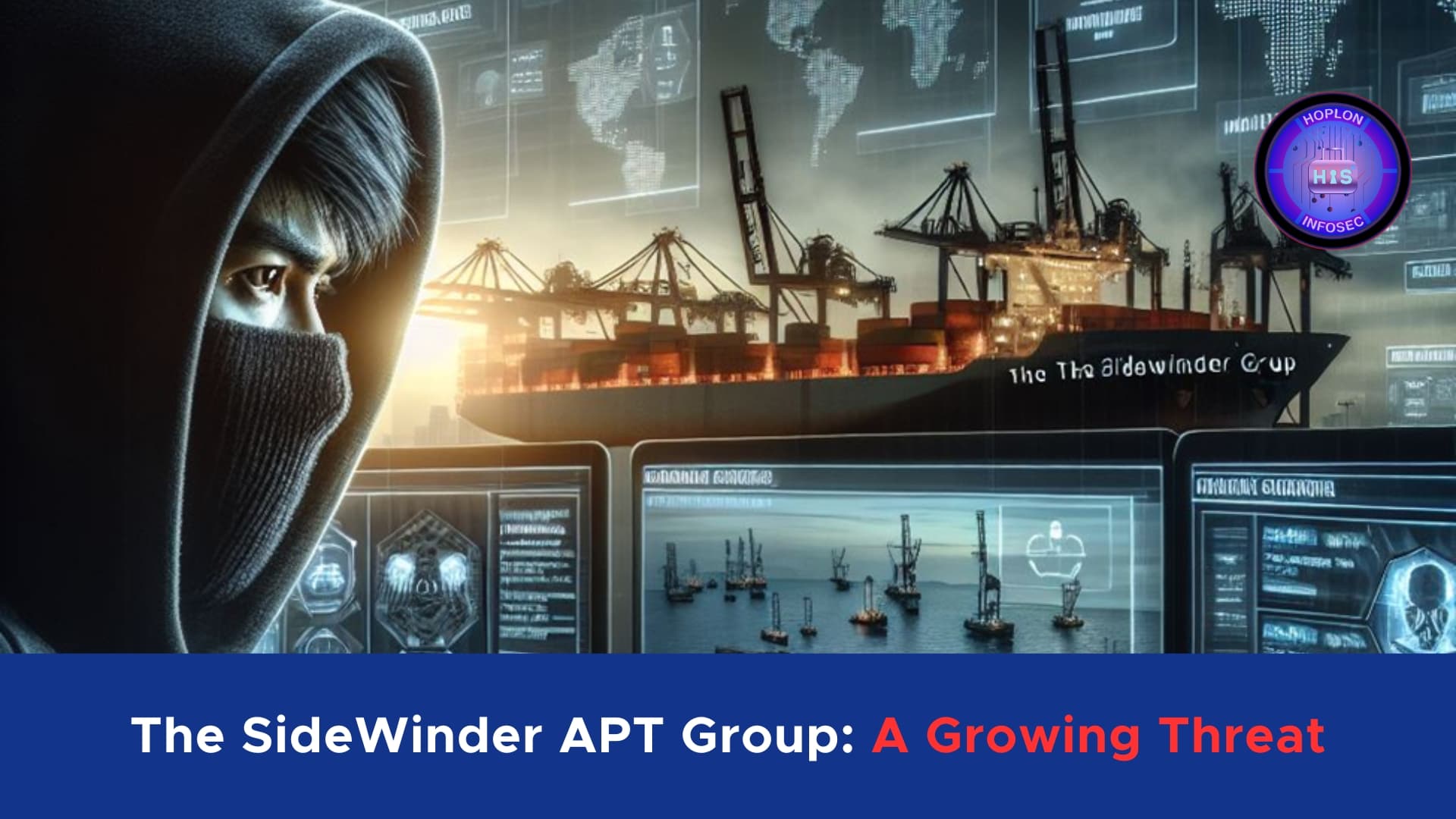
In recent years, the maritime and logistics sectors have increasingly become prime targets for sophisticated cyber-espionage groups. One such group, SideWinder, has intensified its cyberattacks across Asia, the Middle East, and Africa. This escalation underscores the critical need for robust cybersecurity measures within these industries to prevent economic losses, operational disruptions, and security breaches.
Understanding SideWinder
SideWinder, also called Razor Tiger, Rattlesnake, and T-APT-04, is an advanced persistent threat (APT) group believed to have been active since at least 2012. While its origins remain unconfirmed, many cybersecurity experts suggest links to India. Initially, SideWinder focused on government and military institutions in neighboring countries such as Pakistan, Nepal, Sri Lanka, and China. However, recent intelligence indicates a strategic pivot towards the maritime and logistics sectors.
The Maritime and Logistics Sectors: New Targets
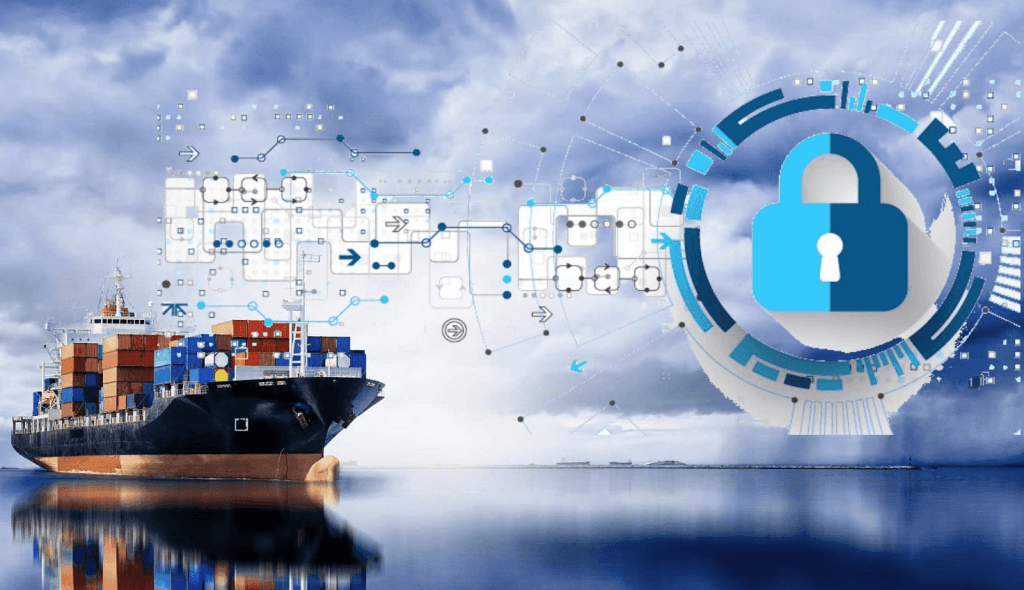
The maritime industry is integral to global trade, with ports and shipping companies serving as critical nodes in the international supply chain. Recognizing this significance, SideWinder has expanded its operations to exploit vulnerabilities within these sectors. Notably, the group has conducted cyber-espionage campaigns targeting ports and maritime facilities in regions including the Indian Ocean and the Mediterranean Sea.
Attack Strategies
SideWinder employs sophisticated tactics, techniques, and procedures (TTPs) to compromise targeted organizations. One primary method used by the group is spear-phishing emails designed to elicit emotional responses. These emails often contain malicious attachments, particularly in DOCX or RTF formats, which initiate the infection chain once opened.
The group also exploits known vulnerabilities, particularly CVE-2017-11882, a flaw in Microsoft Office’s Equation Editor. Despite being an older vulnerability, it remains effective against systems not adequately patched. Remote template injection is another technique allowing SideWinder to retrieve malicious RTF files from attacker-controlled servers, bypassing traditional security measures and executing malicious shellcodes on victim systems.
Upon successful exploitation, SideWinder deploys a multi-stage infection process using a stealthy malware loader called Backdoor Loader. This component ensures persistence and enables the installation of StealerBot, a sophisticated post-exploitation toolkit. StealerBot can capture screenshots, log keystrokes, steal credentials, and exfiltrate files, thereby granting attackers extensive control over compromised systems.
Geographical Reach and Target Profile
SideWinder’s recent campaigns demonstrate a broad geographical scope and an expanding target base. The group primarily focuses on maritime and logistics companies in Egypt, Djibouti, the United Arab Emirates, Bangladesh, Cambodia, and Vietnam. However, its targets have also included organizations in the nuclear energy sector, raising concerns about critical infrastructure security. Diplomatic entities in countries such as Afghanistan, Algeria, Bulgaria, China, India, the Maldives, Rwanda, Saudi Arabia, Turkey, and Uganda have also been affected, indicating a broader espionage agenda.
Implications for the Maritime Industry
As the maritime sector undergoes rapid digitization, its attack surface expands, making it more susceptible to cyber threats. Cyberattacks can severely disrupt port operations, affecting cargo handling, vessel scheduling, and overall logistics. These disruptions can cause cascading effects across global supply chains. Financial losses due to cyber incidents can significantly impact businesses and economies that rely on maritime commerce. Moreover, compromised maritime systems may be exploited for espionage, exposing cargo manifests, vessel movements, and strategic maritime infrastructure to cyber adversaries.
Recommendations for Strengthening Cybersecurity
Maritime and logistics organizations should implement robust cybersecurity strategies to mitigate the risks posed by groups like SideWinder. Regular patch management ensures that all systems, mainly those vulnerable to CVE-2017-11882, are promptly updated. Employee training programs should be conducted to increase awareness of phishing tactics and reinforce the importance of cautious email handling.
Advanced threat detection and monitoring systems, including intrusion detection systems (IDS) and endpoint detection and response (EDR) solutions, must be deployed. Organizations should also establish regularly updated incident response plans to ensure swift action in the event of a cyberattack. Cyber resilience can be further strengthened by conducting simulated attacks and penetration testing.
Collaboration and information sharing are essential to cybersecurity in the maritime sector. Organizations should engage with industry peers, cybersecurity bodies, and government agencies to share threat intelligence and best practices. Participation in global cybersecurity forums and maritime security initiatives can help stay ahead of emerging threats.
Supply chain security should also be a priority. Organizations need to assess and enhance the cybersecurity posture of third-party vendors and partners. Zero-trust security models can help limit unauthorized access and reduce exposure to threats.
Conclusion
The escalation of cyberattacks by groups like SideWinder highlights the urgent need for enhanced cybersecurity measures within the maritime and logistics sectors. As the industry embraces digital transformation, organizations must adopt proactive security strategies to safeguard against evolving cyber threats. Strengthening cyber resilience, fostering collaborative defense mechanisms, and cultivating a culture of cybersecurity awareness are crucial steps toward ensuring the security and continuity of global maritime operations.
References:
https://www.theregister.com/2025/03/10/sidewinder_tactics_shift/