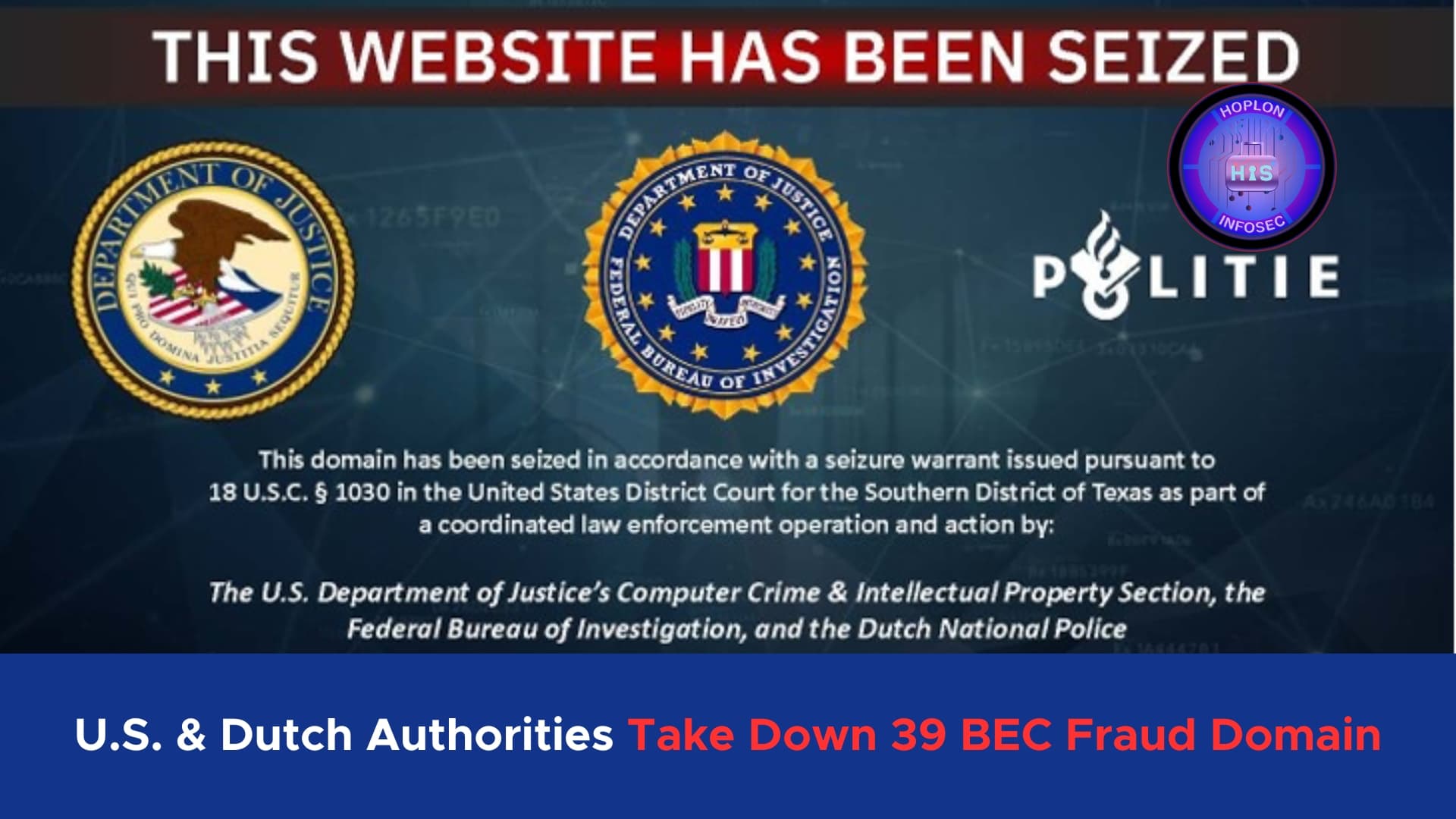
In a groundbreaking move against cybercrime, law enforcement agencies in the United States and the Netherlands announced the successful takedown of 39 domains and their associated servers. These websites, operated by a notorious group based in Pakistan, were central to an online marketplace facilitating phishing schemes and fraud. The operation, conducted on January 29, 2025, has been aptly named Operation Heart Blocker.
This effort is significant in combating cybercrime networks that have caused financial and emotional harm to countless individuals and organizations worldwide. Here, we delve deeper into the details of the operation, the criminal network involved, and the broader implications of this takedown.
The Target: A Network of Fraudulent Marketplaces
The dismantled domains were part of a vast online marketplace operated by a group known as Saim Raza, also referred to as HeartSender. This group has been active since 2020 and specializes in providing phishing toolkits and other tools used to perpetrate fraud. These marketplaces served as a one-stop shop for cybercriminals, offering products that enabled large-scale phishing campaigns and fraud operations.
The tools provided by Saim Raza were designed to target unsuspecting victims through schemes such as business email compromise (BEC). These schemes are among the most damaging types of cybercrime, often resulting in significant financial losses. In this case, the fraudulent activities facilitated by Saim Raza’s tools caused over $3 million in losses, with victims primarily located in the United States.
How the Network Operated
The Saim Raza-run websites functioned as marketplaces for various fraud-enabling tools. These included phishing kits, scam pages, and email extractors, all readily available for purchase. But the services didn’t stop at providing tools. The group also offered training resources, including instructional YouTube videos, to teach buyers how to use these malicious programs effectively. This made their tools accessible even to individuals with minimal technical expertise, significantly broadening the reach and impact of their operations.
Phishing kits and scam pages were particularly dangerous as they allowed cybercriminals to harvest login credentials from victims. These credentials were then used in further fraudulent schemes, making it easier for cybercriminals to execute sophisticated attacks. The availability of email extractors also enabled attackers to build massive databases of potential targets for phishing campaigns.
The Role of Transnational Organized Crime
The tools and services offered by Saim Raza’s marketplaces were not limited to individual cybercriminals; transnational organized crime groups also used them. These groups leveraged the tools to launch coordinated attacks on businesses and individuals, causing widespread damage. The stolen credentials and financial information extracted from these schemes were used to carry out additional fraudulent activities, compounding the harm.
According to the U.S. Department of Justice (DoJ), these tools were widely accessible online, making them a go-to resource for cybercriminals worldwide. The global nature of these operations underscores the importance of international cooperation in combating cybercrime.
The Impact on Victims
The victims of these schemes often suffered significant financial losses, emotional distress, and reputational damage. Business email compromise, in particular, is a highly damaging form of cybercrime that targets businesses by impersonating trusted individuals or entities. These attacks can result in the theft of sensitive information, fraudulent financial transactions, and disruptions to business operations.
To help potential victims, Dutch police have set up a resource where individuals can check if their credentials were compromised. By visiting www.politie[.]NL/checkjehack, users can enter their email addresses to determine if they were impacted by credential theft. This initiative highlights the importance of raising awareness and providing resources to help victims recover from cyberattacks.
Unmasking the Criminal Group: Saim Raza and The Manipulators
The group behind these fraudulent marketplaces, known as Saim Raza or The Manipulators, has a long history in cybercrime. Independent security journalist Brian Krebs first exposed their operations in May 2015. More recently, a report from cybersecurity firm DomainTools revealed significant operational security lapses within the group. These lapses included instances where systems associated with the threat actors were compromised by stealer malware.
Despite lacking the technical sophistication of some more prominent cybercrime vendors, The Manipulators were notable for their innovative approach. They were among the first phishing-focused marketplaces to adopt a horizontally integrated business model, spreading their operations across several branded shops. This strategy allowed them to diversify their offerings and expand their reach, making them a prominent player in the cybercrime ecosystem.
Evidence suggests that the group operates out of Pakistan, with members based in cities such as Lahore, Fatehpur, Karachi, and Faisalabad. Over the years, the group has seen changes in its membership, with new members joining and at least one early member departing. These changes reflect the dynamic nature of cybercrime organizations, which often evolve to adapt to new challenges and opportunities.
Broader Implications: A Step Forward in Combating Cybercrime
Operation Heart Blocker is part of a broader effort by law enforcement agencies to dismantle online criminal marketplaces. In late January 2025, a coordinated operation known as Talent targeted other platforms, including Cracked, Nulled, Sellix, and StarkRDP. These marketplaces similarly facilitated cybercrime by providing tools and services to malicious actors.
The takedown of these platforms sends a clear message that cybercrime will not go unchecked. It also highlights the importance of international collaboration in addressing the global nature of cyber threats. Law enforcement agencies can pool their resources and expertise to disrupt criminal networks more effectively by working together.
Lessons for Businesses and Individuals
The takedown of Saim Raza’s marketplaces is a stark reminder of the need for vigilance in the digital age. Businesses and individuals must take proactive steps to protect themselves from cyber threats. Here are some key lessons:
Implement Robust Security Measures: Use multi-factor authentication (MFA), strong passwords, and encryption to secure sensitive information. Regularly update software and systems to patch vulnerabilities.
Educate Employees and Users: Awareness is a critical defense against phishing and other social engineering attacks. Train employees to recognize suspicious emails and report potential threats.
Monitor for Credential Leaks: Regularly check if your credentials have been compromised using resources like the Dutch police’s tool. Early detection can help mitigate the impact of a breach.
Partner with Cybersecurity Experts: Businesses should consider working with cybersecurity professionals to assess risks, implement safeguards, and respond to incidents.
Stay Informed: Cyber threats are constantly evolving. Staying updated on the latest trends and tactics, cybercriminals use can help you stay one step ahead.
The Road Ahead
While the takedown of Saim Raza’s marketplaces is a significant victory, the fight against cybercrime is far from over. As law enforcement agencies continue dismantling criminal networks, cybercriminals will likely adapt their tactics and seek new ways to exploit vulnerabilities.
However, efforts like Operation Heart Blocker demonstrate that progress is being made. By leveraging advanced technology, intelligence-sharing, and international cooperation, law enforcement agencies are better equipped than ever to combat cyber threats. For businesses and individuals, staying vigilant and proactive is essential in navigating the ever-changing cybersecurity landscape.
Ultimately, the collective efforts of governments, organizations, and individuals are key to building a safer digital world.