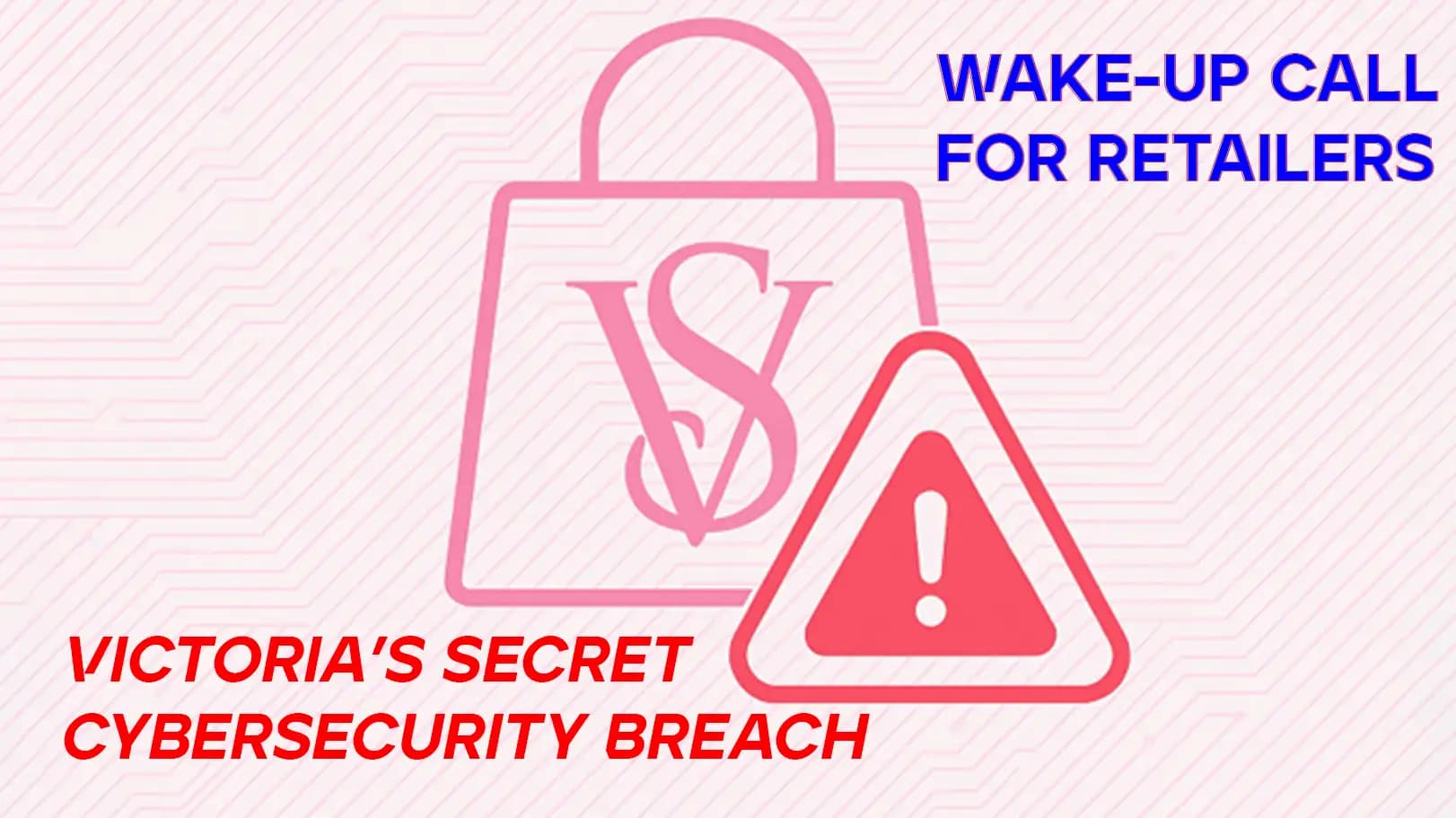
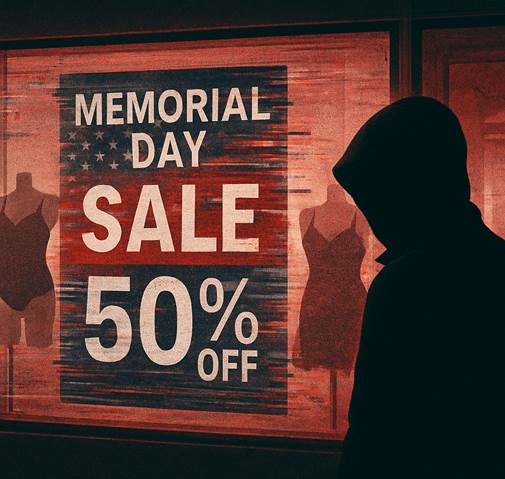
In an era dominated by online shopping and digital interactions, cybersecurity is more critical than ever. Recent events have once again underscored this reality: Victoria’s Secret, one of the most iconic names in retail, recently faced a significant cybersecurity breach. The incident forced the company to temporarily shut down its U.S. website and disrupted some in-store services right in the middle of the bustling Memorial Day shopping weekend.
This blog explores what happened, how Victoria’s Secret responded, and what this means for retailers and consumers alike. As cyberattacks grow more sophisticated and frequent, this breach serves as both a stark warning and a call to action for businesses to bolster their digital defenses.
A Timeline of the Victoria’s Secret Breach and Its Impact
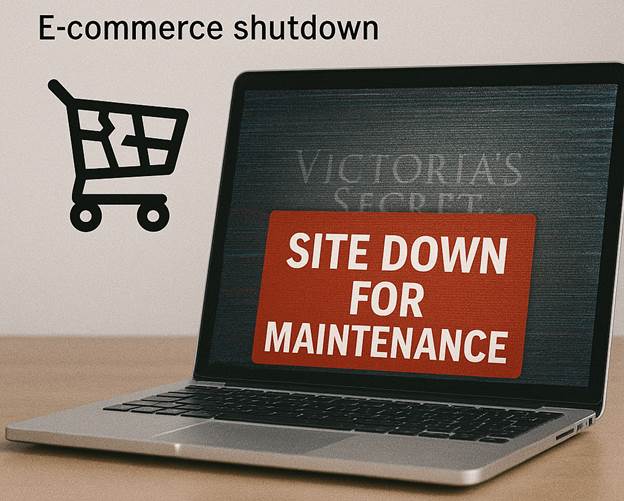
The incident began to unfold around May 28, 2025, when Victoria’s Secret detected unusual activity in its digital environment. In response, the company took the proactive step of taking down its entire U.S. website and suspending certain in-store services. While physical Victoria’s Secret and PINK stores remained open, online shoppers and store staff quickly felt the impact.
Customers trying to browse or complete purchases online were met with frustration. “I couldn’t check out! The site just said it was down for maintenance,” one shopper tweeted. “No updates from the company either,” complained another. Memorial Day weekend is a key sales period for retailers, and the outage threatened to derail carefully planned promotional campaigns.
For store employees, the incident caused additional headaches. Some reported difficulties accessing work accounts, while rumors circulated about potential payroll delays. Even if these rumors didn’t materialize, they highlighted the ripple effects a digital breach can have on daily operations.
The incident’s timing, hitting during a high-traffic holiday shopping period, exacerbated customer frustration and amplified the potential financial impact. For Victoria’s Secret, a brand synonymous with high-end fashion and luxury, the stakes were high.
Technical Analysis: What Might Have Happened?
Victoria’s Secret has not publicly disclosed the exact technical details of the breach, leaving many questions unanswered. However, by examining similar incidents across the retail sector, we can make some educated guesses about possible attack vectors and motivations.
Cyberattacks on retailers often begin with phishing campaigns that trick employees into sharing credentials or clicking on malicious links. Another common vector is exploiting vulnerabilities in outdated e-commerce platforms or third-party vendor systems integrated with a retailer’s environment.
In some cases, attackers deploy ransomware to lock critical systems, demanding payment in exchange for decryption keys. In others, they focus on data exfiltration, stealing customer data, payment information, or proprietary business data to sell on the dark web.
Given that Victoria’s Secret’s website was taken offline quickly and there has been no public mention of a ransom demand, it’s plausible that this was a data-focused attack rather than a typical ransomware event. However, the extended disruption suggests a potentially deep compromise, perhaps attackers accessed backend systems or customer databases that required thorough investigation before restoring operations.
The retail sector has long been a favored target for cybercriminals. Retailers handle vast amounts of sensitive data: credit card numbers, customer loyalty program details, and internal business information. These assets are attractive to attackers, making robust cybersecurity controls essential.
How Victoria’s Secret Responded?
From a crisis management standpoint, Victoria’s Secret moved quickly. As soon as the suspicious activity was detected, the company took its website offline and engaged third-party cybersecurity experts to investigate and mitigate the incident.
This swift action is a best practice in the event of a suspected breach. It can help contain the damage and preserve crucial forensic evidence that investigators need to understand the attackers’ methods.
However, communication with customers proved to be a sticking point. In the early hours of the breach, many shoppers complained that they received no updates about the website outage. Some turned to social media to voice their frustrations: “It’s a huge holiday shopping weekend—why is there no word from VS?” Transparency and clear communication during a cybersecurity incident are essential for maintaining customer trust.
As the investigation progressed, Victoria’s Secret took additional steps to address customer concerns. The company extended return windows and offered coupons to affected shoppers as a goodwill gesture. Physical stores remained open, providing some relief for shoppers who still wanted to browse in person.
Still, the lack of public disclosure about what data, if any, was compromised leaves lingering questions. For a brand that thrives on customer loyalty and a reputation for luxury, these communication gaps are a risk to long-term trust.
The Broader Trend: Why Retailers Are Prime Targets?
Victoria’s Secret’s cybersecurity breach is not an isolated event. It’s part of a larger pattern of cyberattacks targeting retailers in recent years.
Marks & Spencer, Harrods, and Adidas have all faced similar incidents, underscoring the vulnerabilities within the retail sector. Attackers are increasingly sophisticated, leveraging everything from advanced ransomware strains to supply chain attacks. The motivation is clear: the retail sector is a treasure trove of valuable data.
Retailers manage vast customer databases everything from payment details to shopping habits. E-commerce platforms handle millions of transactions, and many retailers work with third-party service providers for analytics, marketing, and payment processing. Each of these integrations is a potential vulnerability.
A 2024 report by IBM’s X-Force team found that retail was the second most targeted sector for cyberattacks, surpassed only by healthcare. The average cost of a data breach in retail? Over $3.4 million; not counting reputational damage and lost sales during outages.
Retailers also face a unique challenge: the push for convenience and seamless shopping experiences often means integrating new tools and services quickly. If security isn’t baked into this innovation, it can create backdoors for attackers.
Impact on Customers and Employees
Cybersecurity breaches have real-world impacts beyond just numbers on a balance sheet. For customers, there’s the immediate question: Is my data safe? Shoppers worry about stolen credit card details, exposed addresses, and compromised loyalty accounts.
Even if no data was confirmed exposed in the Victoria’s Secret breach, the uncertainty erodes trust. Data from Forrester suggests that nearly 40% of consumers would switch retailers if they believed their data wasn’t secure. For a brand built on aspirational luxury, that’s a risk Victoria’s Secret can’t afford to ignore.
For employees, the breach was disruptive too. Staff reported difficulties accessing work systems, some even feared paycheck delays if HR platforms were impacted. In the modern retail world, employees rely on digital tools to clock in, manage inventory, and connect with corporate systems. A security incident that ripples into these tools can create significant stress and operational bottlenecks.
Lessons for Retailers: What Needs to Change
The Victoria’s Secret breach and similar attacks on other major retailers reinforces some critical lessons for the industry:
Proactive Cybersecurity Posture
Cybersecurity can’t be an afterthought. It needs to be a core part of business strategy. Regular vulnerability scans, patch management, and robust endpoint protection are essential.
Incident Response Planning
Retailers should have well-practiced incident response plans that include not only technical mitigation but also crisis communication strategies. Customers today expect transparency during breaches.
Zero Trust Architecture
The old model of trusting everything inside the corporate firewall doesn’t work anymore. Retailers should adopt a zero trust approach, where every access request is verified, regardless of origin.
Employee Training
Phishing remains a top entry point for attackers. Retailers must invest in employee training to recognize suspicious emails and avoid credential theft.
Third-Party Risk Management
Vendors and partners can be the weak link. Robust contracts and security audits of partners are crucial.
Regulatory Compliance
Retailers that operate globally need to ensure compliance with data protection laws like the GDPR and CCPA. Fines for non-compliance can be steep and the reputational damage even steeper.
Chrome DevTools Protocol Exploitation: A Glimpse into the Sophistication
One of the more concerning capabilities seen in modern infostealers like EDDIESTEALER, which was recently spotlighted is the ability to exploit Chrome’s DevTools Protocol. This tactic involves spawning a hidden Chrome process with the –remote-debugging-port flag, enabling the attacker to control the browser via a local WebSocket interface.
By navigating to Chrome’s internal password manager page, the malware forces the browser to decrypt and load stored credentials into memory. This memory can then be read by the attacker’s tools, bypassing traditional file-based password storage protections.
While Victoria’s Secret has not disclosed whether this specific technique was involved in their breach, it’s part of a growing trend: attackers exploiting legitimate browser features to circumvent encryption and steal data.
Final Thoughts: A Call to Action for Retailers
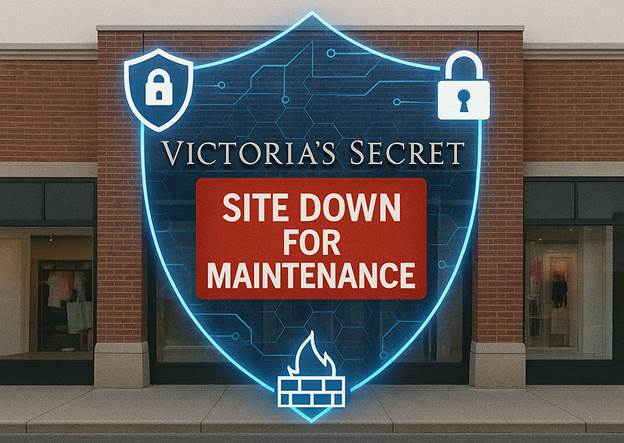
As of now, Victoria’s Secret has resumed e-commerce operations and is working to restore full functionality. The investigation is ongoing, and customers have been offered extended return windows and coupons as a small olive branch.
However, this incident serves as a sobering reminder: Cybersecurity is no longer optional. For retailers, the stakes are higher than ever. Breaches can damage not only sales and operations but also the trust that keeps customers coming back.
For shoppers, this is another wake-up call: be cautious online, use unique passwords, and monitor your credit statements regularly. For retailers, the time to invest in proactive cybersecurity is now. Cybercriminals aren’t slowing down and neither should defenses.
Did you find this article helpful? Follow us on Twitter and LinkedIn for more Cyber Security news and updates. Stay connected on Facebook and Instagram as well. At Hoplon Infosec, we’re committed to securing your digital world
-20260721112851.webp&w=3840&q=75)