

Weekly Cybersecurity Update
Weekly Cybersecurity Update: Important Threats and Defenses You Should Know
This week showed once again that cybersecurity never really slows down. The landscape reminded us that attackers are always raising the stakes, with new types of malware, zero-day browser exploits, and router vulnerabilities that have been proven to work. Here’s a close look at what happened.
Dangerous plugins make SmokeLoader malware worse.
SmokeLoader is a type of malware that has been around for years and is once again showing how flexible it can be. Security researchers found that its most recent plugins can now steal private information and launch large-scale DDoS attacks.
The malware’s modular design is what makes this news so scary. Attackers can load SmokeLoader with different tools depending on what they want to do, so it’s more like a toolbox than a single threat. Think of a burglar who has not only lockpicks but also explosives, disguises, and tools. That’s how flexible SmokeLoader has become.
The main point for businesses is clear. A single infection can spread quickly, so it’s important to have stronger endpoint monitoring and intrusion detection.
Read more
Google Sheets now has encryption on the client side.
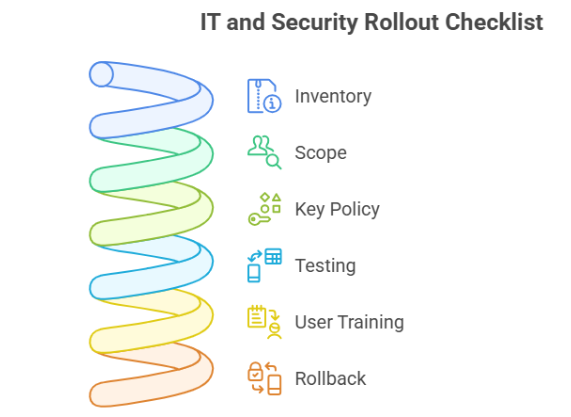
Google announced a big security upgrade for Google Sheets: client-side encryption. This change is meant to give businesses more control by letting them handle their own encryption keys instead of having to rely on Google for everything.
In real life, outsiders wouldn’t be able to see the contents of encrypted Sheets even if Google’s servers were hacked. This step could change the game for fields like finance, law, or healthcare.
You could think of it as putting your own lock on your files before giving them to Google to store. Not even the janitor can look inside.
Read more
Scattered Spider Hits the Financial Sector Again
The threat group Scattered Spider made the news again, this time because they were going after financial companies. Even though they said the group was winding down, their actions show that they are still active.
Scattered Spider is known for phishing and social engineering. They are very good at getting people to trust them. Even the best technical defenses can’t stop employees from being tricked into giving away credentials or letting someone in. It’s like a thief walking right through the front door while the alarms are set to go off on the windows.
This return is a wake-up call for financial companies. Firewalls and anti-malware tools are just as important as training employees to be aware of security risks.
Zero-Day in Chrome CVE-2025-10585 Exploits Used in Attacks
Google itself sent out one of the week’s biggest warnings. People were using a zero-day flaw in Chrome’s V8 JavaScript engine in the wild. This flaw, known as CVE-2025-10585, let attackers run harmful code directly through a hacked webpage.
Zero-day vulnerabilities are dangerous because there is no time to fix them. Attackers use them before defenders can do anything. Until Google released an emergency patch, millions of Chrome users around the world were in danger.
The lesson is clear. When these patches come out, make sure to update your browsers right away. With zero-day threats, even a short delay can leave systems open to attack.
Read more
Public PoC for TP-Link Router Zero-Day Raises the Stakes
The news of a TP-Link router zero-day remote code execution vulnerability shook the security community even more. Not only did the flaw become public, but researchers also made a public proof of concept that showed exactly how attackers could get around ASLR protections.
This gives hackers a ready-made plan for how to break into unpatched TP-Link devices, whether they are in homes or businesses. A router that is vulnerable is more than just a weak link. It is a wide-open door that leads to everything else behind it.
TP-Link hardware users should quickly apply updates or replace any models that are affected.
The Phoenix Rowhammer Attack brings back hardware-level threats.
At the end of the week, there was a very technical but serious reminder that hardware vulnerabilities are still important. The new Phoenix Rowhammer attack shows that flipping small bits of memory can be used as a weapon to break into modern systems.
Rowhammer attacks take advantage of how memory cells are set up, which causes bits of memory next to each other to flip by accident. The Phoenix variant makes this attack more reliable, showing that hardware flaws are still a big problem even when software defenses are in place.
This is important because it can’t be fixed quickly. Hardware-level attacks make companies and vendors rethink their long-term defenses.
Read more
Final Thoughts
This week confirmed a simple truth. Cyber threats are always changing. The battlefield is full of different types of threats, from flexible malware like SmokeLoader to human-focused attackers like Scattered Spider, and from zero-day browser exploits to router flaws and hardware-level weaknesses.
Businesses can’t afford to just set something up and forget about it. To stay safe, you need to use patch discipline, encryption, proactive monitoring, employee awareness, and layered defenses.
The threats are real, but so are the defenses if you stay one step ahead.
Explore our main services:


-20260925120840.webp&w=3840&q=75)
-20260918120903.webp&w=3840&q=75)