Recently, a hacker operating under the alias “exelo” stirred concern on an underground forum by advertising a database that allegedly contains 602,800 Yahoo email accounts. The advertisement claims that this dataset is both “private and non-Russian,” while the complete list is priced at $100; a free sample of 50,000 accounts is reportedly available to potential buyers as a test. In this blog, we explore the details of this alleged leak, provide historical context regarding Yahoo’s previous data breaches, discuss how such information might be exploited, and offer practical steps to safeguard your personal information in an increasingly risky online environment.
Yahoo Data Leak: An Overview
The recent advertisement on a dark web forum has set off alarms among cybersecurity professionals. The hacker “Exelo” is known in underground circles and now offers a substantial dataset purportedly sourced from Yahoo email accounts. According to the post, the database contains over 600,000 entries, making it a potentially dangerous resource for cybercriminals looking to conduct various online scams or attacks.
While the ad does not definitively confirm whether sensitive data such as passwords is included, historical trends in similar leaks suggest that it might contain a combination of usernames, hashed passwords, dates of birth, and secondary or backup email addresses. Such comprehensive information can be exploited maliciously, from identity theft to credential stuffing attacks.
The advertisement’s presence on a dark web forum—a marketplace known for hosting cybercriminals—adds to the urgency and legitimacy concerns. Although the exact contents of the database remain behind a paywall, the offer of a free sample with 50,000 accounts indicates that the seller is trying to prove the validity and value of the data. The low price of $100 for the complete list might attract buyers seeking an advantage in phishing, fraud, or other cyberattacks.
Understanding the Alleged Yahoo Breach
The current incident is not an isolated event. Hackers often repurpose or repackage previously leaked data and present it as a new breach to either revive interest or mislead potential buyers. Despite these possibilities, if the database advertised by “Exelo” is verified as a new leak, it could seriously affect Yahoo users.
Data breaches involving email accounts are especially concerning because emails are the primary gateway to other personal and financial information. In the hands of cybercriminals, even seemingly benign data such as an email address can be used to launch phishing campaigns or credential-stuffing attacks. Credential stuffing, for instance, is a method where attackers utilize the leaked username and password combinations to attempt logins on various online services, banking on the fact that many users reuse passwords across different platforms.
While the advertisement remains vague about including passwords or additional personal details, cybersecurity experts have noted that even partial datasets can be extremely harmful. Details like hashed passwords, if cracked, or dates of birth, when paired with other data, can lead to complete identity theft. This creates a domino effect, potentially compromising multiple accounts and leading to financial fraud.
Historical Context: Yahoo Breaches in Perspective
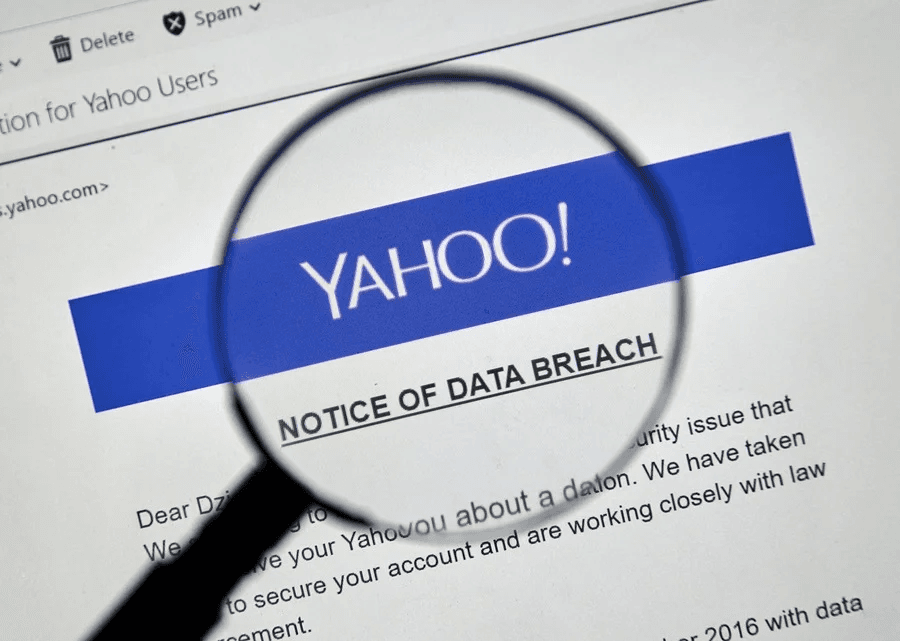
Yahoo has been no stranger to data breaches. The company’s history of security incidents adds another layer of concern to the current allegation. Two significant violations in 2013 and 2014 have left a lasting impact on Yahoo and its users.
The 2013 Breach
2013, Yahoo experienced one of the most significant data breaches ever reported. Over one billion user accounts were compromised during this incident. The breach was significant not only because of the volume of affected accounts but also because of the sensitive data exposure. The compromised information included names, email addresses, telephone numbers, dates of birth, and hashed passwords. At the time, this breach set a precedent for the scale and scope of cyberattacks against major corporations.
The 2014 Breach
A year later, in 2014, Yahoo was hit again by another massive data breach. This time, approximately 500 million user accounts were affected. The stolen data in this incident also comprised personal details such as names, email addresses, telephone numbers, and encrypted passwords. The severity of this breach not only undermined user trust but also raised serious questions about Yahoo’s security measures and its ability to protect sensitive information.
Recycled or New Data?
Given this history, there is speculation that the current claim of 602,800 Yahoo accounts might represent either a new breach or recycled data from previous incidents. Cybersecurity experts have observed that older datasets sometimes reappear on dark web marketplaces under new guises. This tactic exploits the lingering value of compromised data. Whether the dataset is a fresh leak or a repackaged version of older data, the implications remain equally concerning.
How Cybercriminals Exploit Leaked Data
Leaked data from major breaches affecting Yahoo can be a goldmine for cybercriminals. The methods employed to exploit this information are varied and can lead to severe consequences for the victims. Here are some of the common ways in which hackers use leaked data:
Phishing Attacks
Phishing remains one of the most prevalent forms of cybercrime. Cybercriminals often use leaked email addresses to launch mass phishing campaigns. In these attacks, victims receive seemingly legitimate emails that prompt them to click on malicious links or provide further personal details. The content of these phishing emails is typically crafted to mimic trusted organizations, thereby increasing the likelihood of a successful scam.
Credential Stuffing
One of the most dangerous aspects of data breaches is credential stuffing. This involves using a set of leaked login credentials to attempt unauthorized access to other online services. Since many users reuse the same password across multiple platforms, a breach from one source can easily lead to a domino effect, compromising additional accounts. Attackers often employ automated tools to test these credentials across various websites.
Identity Theft
Identity theft is another serious threat arising from data breaches. Combining personal details such as full names, dates of birth, and email addresses can enable cybercriminals to impersonate individuals. This can lead to a range of fraudulent activities, including unauthorized financial transactions, opening of new accounts in the victim’s name, and even criminal activities that tarnish the individual’s reputation.
Financial Fraud
Leaked data can also serve as a gateway to financial fraud. With enough information, hackers can attempt to access online banking accounts or use social engineering tactics to extract more sensitive information from victims. This can result in significant financial losses and long-term credit issues for the affected individuals.
The Role of the Dark Web in Data Leaks
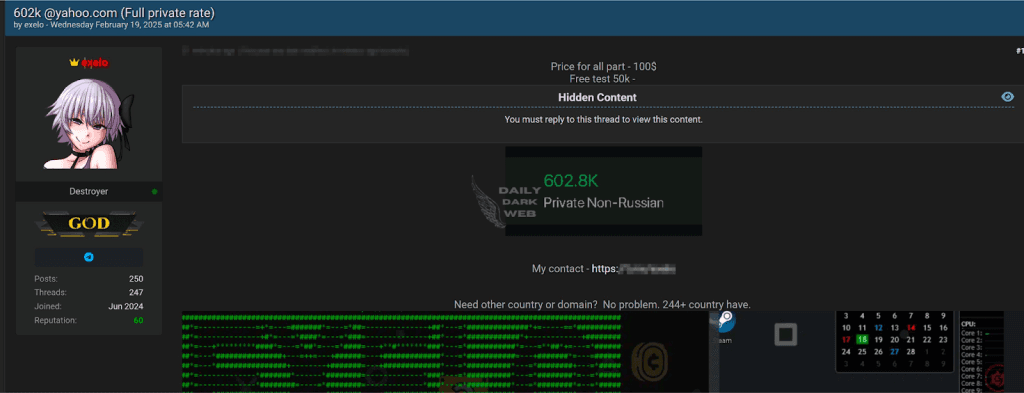
The dark web is often where stolen data is bought, sold, and traded among cyber criminals. Forums on the dark web serve as marketplaces where hackers can anonymously advertise and exchange compromised data. The recent advertisement by E “elo i” is a prime example of how such platforms are used to monetize stolen information.
The dark web’s potential for cybercriminals lies in its anonymity and the relative ease with which illicit transactions can be conducted. Payment methods like cryptocurrencies further shield the identities of those involved. However, this anonymity also poses significant challenges for law enforcement agencies trying to track down the individuals responsible for these breaches.
Advertisements offering a free sample of 50,000 accounts are standard on these forums. They serve a dual purpose: they provide potential buyers with proof of the data authenticity and entice them into purchasing the full dataset. Once the entire dataset is sold, the compromised information can be rapidly disseminated and exploited across various cyberattack campaigns.
The Broader Implications for Cybersecurity
Data breaches such as the one involving Yahoo accounts have broader implications for cybersecurity at large. They highlight several critical issues that need to be addressed by both corporations and individual users:
The Importance of Data Protection
Large-scale data breaches underscore the necessity for robust cybersecurity measures. Companies that handle vast amounts of personal data must invest in the latest security technologies and regularly update their defenses. A breach damages a company’s reputation and exposes its users to significant risks.
The Need for Continuous Monitoring
For individuals, the Yahoo breach serves as a reminder to monitor personal accounts vigilantly. Cybercriminals continuously evolve their tactics, making it imperative for users to protect their online identities proactively. Regular monitoring of account activity and financial transactions can help detect suspicious behavior early on.
The Rise of Multi-Factor Authentication
One of the most effective ways to mitigate the damage from data breaches is to implement multi-factor authentication (MFA). MFA provides an additional layer of security beyond just a password, significantly reducing the likelihood of compromised credentials being used to access accounts. The Yahoo incident reinforces the critical need for users to enable MFA wherever possible.
Practical Steps for Protecting Your Online Accounts
If you are a Yahoo user—or if you use any online service that might be affected by similar data breaches—it is essential to take immediate steps to secure your account. Below are some practical measures that you can implement to enhance your online security:
1. Change Your Passwords Regularly
The first defense against unauthorized access is to update your passwords frequently. Choose unique and complex passwords incorporating a mix of letters, numbers, and special characters. Avoid using easily guessable information such as birthdays or everyday phrases. Consider using a reputable password manager to generate and store strong passwords securely.
2. Enable Two-Factor Authentication (2FA)
Two-factor authentication adds an extra layer of protection to your online accounts. Even if your password is compromised, 2FA can prevent unauthorized access by requiring an additional verification step—such as a code sent to your mobile device. Enabling 2FA on your Yahoo account and other important accounts like banking and social media can significantly enhance your overall security posture.
3. Monitor Your Accounts
Review your account activity regularly for signs of unauthorized access. Many online services offer notifications for unusual login attempts or account setting changes. If you notice any suspicious activity, update your password immediately and contact customer support.
4. Be Wary of Phishing Attempts
Given the likelihood that your email address may appear in leaked data, it is crucial to remain vigilant against phishing scams. Always verify the sensender’sail address before clicking links or downloading attachments. If you receive an unexpected email requesting personal information or login credentials, contact the organization using a trusted phone number or email address.
5. Educate Yourself About Cybersecurity Best Practices
Knowledge is power when it comes to online security. Stay informed about the latest cyber threats and learn to recognize potential risks. Many reputable cybersecurity organizations provide free resources and guidelines to help users understand and mitigate the dangers of online fraud.
How to Respond if YouYou’veen Affected
If you suspect that your Yahoo account or any other online account has been compromised due to a data breach, it is essential to take prompt action. Here are some steps you can follow:
Contact the Service Provider
Contact Yahoo or the relevant service provider to report suspicious activity on your account. They may offer additional guidance or take measures to secure your account from further unauthorized access.
Update Your Security Settings
In addition to changing your password, review and update your security questions and backup email addresses. This helps ensure that any potential weak points in your account security are addressed promptly.
Monitor Financial Accounts
If your data has been compromised, monitor your bank and credit card accounts for unauthorized transactions. Occasionally, placing a fraud alert or freeze on your credit may be advisable to prevent identity theft.
Report the Incident
In significant data breaches, reporting the incident to local law enforcement or a cybercrime unit can help investigate and potentially prevent further exploitation of the compromised data.
The Future of Cybersecurity in a Data-Driven World
As data breaches continue to make headlines, cybersecurity must remain a top priority for individuals and organizations. Whether the Yahoo incident represents a new breach or recycled data is a stark reminder of the vulnerabilities inherent in our digital lives. Cybersecurity is an evolving field, and users and service providers must adapt to new threats as they emerge.
The Role of Legislation and Regulation
Governments worldwide are increasingly enacting stricter regulations to protect personal data. Laws such as the General Data Protection Regulation (GDPR) in Europe and the California Consumer Privacy Act (CCPA) in the United States impose heavy fines on companies failing to secure user data adequately. While these regulations are a step in the right direction, they also highlight the growing responsibility of corporations to invest in robust cybersecurity measures.
Emerging Technologies in Cyber Defense
In response to the growing sophistication of cyberattacks, many companies are turning to advanced technologies such as artificial intelligence (AI) and machine learning. These tools can help detect anomalies in user behavior, identify potential threats, and automate responses to cyber incidents. As these technologies become more widespread, we expect a significant shift in how cybersecurity is managed across various industries.
Collaborative Efforts in the Cybersecurity Community
The fight against cybercrime cannot be waged in isolation. Cooperation between government agencies, private companies, and cybersecurity experts is essential to developing effective strategies to counter cyber threats. Forums, information-sharing networks, and public-private partnerships create a safer digital environment for everyone.
Conclusion
The advertisement by hacker “Ex” lo” o,” a database containing 602,800 Yahoo email accounts, is a sobering reminder of the ongoing threats in the digital age. Whether the dataset represents a new breach or repackaged data from previous incidents, its potential use in phishing, credential stuffing, identity theft, and financial fraud is significant. YahYahoo’s history of data breaches only intensifies the need for vigilance among its users.
For individuals, proactive steps such as changing passwords, enabling two-factor authentication, and staying informed about cybersecurity best practices are essential. Investing in advanced security measures and adhering to stringent data protection regulations is more crucial than ever for organizations.
As cyber threats evolve, the collective effort of users, companies, and regulatory bodies will ensure that our data remains secure. The Yahoo incident serves as a crucial reminder: safeguarding data should be a top priority for all in a world where data is one of the most valuable currencies.
For more: