What happened this week, and why should security teams care right now? The first week of June 2026 brought a sharp mix of server-level denial-of-service research, an actively exploited Android zero-day, a large education-sector data breach, password manager abuse, macOS malvertising, Magento exploitation, and new AI security policy movement. This weekly cybersecurity recap breaks down what happened, who may be affected, and what organizations should do next.
If you work in IT, run a website, manage mobile devices, protect student data, or simply care about account security, this week had something for you. Some stories are confirmed through official advisories. Others are based on trusted security research. One item involving Microsoft 365 “FlagLeft” appears to be unverified or misleading information, and no official sources confirm its authenticity at the time of writing.
At a glance
Quick Weekly Summary
This week was not about one single breach or one single patch. It was about a pattern. Attackers and researchers are finding weak points across the stack: web servers, Android devices, cloud platforms, browser ads, password managers, e-commerce plugins, and even AI governance.
Think of it like a city where every gate matters. One gate is the mobile phone in an employee’s pocket. Another is the Magento store accepting customer orders. Another is the learning platform used by schools. Another is a web server handling HTTP/2 traffic. When one gate is weak, attackers do not need to break the whole city. They only need one useful opening.
1. HTTP/2 Bomb DoS Attack: When One Connection Can Become a Server Problem
The HTTP/2 Bomb vulnerability exploit was one of the most technically interesting stories of the week. Security researchers at Calif described a denial-of-service technique affecting major web servers and HTTP/2 implementations, including NGINX, Apache HTTPD, Microsoft IIS, Envoy, and Cloudflare Pingora.
The attack combines two old ideas in a clever way. First, it abuses HTTP/2 header compression behavior. Second, it holds the connection open in a Slowloris-style pattern, which can prevent the server from freeing memory quickly. The result is a memory pressure issue that may crash or seriously slow affected servers.
Why HTTP/2 Bomb Matters
HTTP/2 is widely used because it improves web performance. It allows multiplexing, compression, and faster delivery of web assets. The same performance features that make it useful can also create strange edge cases when attackers intentionally shape traffic in abnormal ways.
For a business, this is not just a technical curiosity. A remote denial-of-service issue can affect websites, APIs, SaaS dashboards, customer portals, and login systems. If your public-facing service depends on HTTP/2, this deserves attention.
What teams should do now
Review whether your web servers and reverse proxies use HTTP/2.
Apply vendor patches as soon as they are available.
Check WAF, CDN, and load balancer behavior under abnormal HTTP/2 traffic.
Monitor memory spikes, long-lived connections, and unusual request patterns.
Test failover and rate-limiting rules before an incident happens.
This is also a good reminder that attack surface management is not only about finding open ports. It is about understanding how exposed systems behave when traffic becomes hostile.
2. Android Zero-Click Zero-Day: CVE-2025-48595
Google’s June 2026 Android security update addressed 124 vulnerabilities, including CVE-2025-48595, an Android Framework elevation-of-privilege issue. Google stated that the flaw may be under limited, targeted exploitation.
A zero-click issue is especially serious because the user may not need to tap a malicious link, open a file, or install an unknown app. In simple words, the device can be at risk through a path that requires little or no visible action from the victim.
Why CVE-2025-48595 matters
Mobile devices are now business devices. Employees use them for email, MFA approval, messaging, file sharing, banking, and admin dashboards. If an attacker gains higher privileges on a phone, they may get closer to business data than many people realize.
The real concern is not only one phone being compromised. The bigger concern is trust. A compromised mobile device can approve logins, receive reset codes, access company chats, and open cloud apps. That is why mobile security has become part of enterprise security, not a side topic.
Recommended action
Install the June 2026 Android security patch when available for your device.
Prioritize corporate-owned Android devices and high-risk users.
Use mobile device management for patch visibility.
Limit app permissions and remove unused apps.
Review suspicious login attempts from mobile sessions.
3. Canvas and Instructure Breach: Education Data Remains a High-Value Target
The Canvas/Instructure incident continued to attract attention because of the scale and sensitivity of the data involved. Public reports said the ShinyHunters group claimed to have stolen a large amount of data connected to Canvas, a learning management platform used by many schools and universities.
Instructure later said it reached an agreement with the attackers to have stolen data deleted. However, even when attackers claim deletion, there is always uncertainty. Digital “proof” does not fully guarantee that copied data no longer exists anywhere.
Why education platforms are attractive targets
Schools and universities hold a strange mix of data. They may not look like banks, but they store names, emails, student IDs, messages, coursework, staff information, and sometimes deeper personal records. For attackers, this data can support phishing, identity theft, extortion, and social engineering.
Education environments are also complicated. Many institutions have limited security budgets, large user bases, seasonal pressure during exams, and many third-party tools. That creates room for mistakes.
Impact analysis
Students may face phishing emails pretending to be from their school.
Staff may receive targeted credential theft attempts.
Institutions may face legal, reputational, and operational pressure.
Attackers may reuse exposed emails and IDs for future scams.
Vendors may face deeper scrutiny from customers and regulators.
This is where dark web monitoring and cyber threat intelligence become practical. They help organizations identify whether stolen data is being discussed, sold, or reused after the initial incident.
4. Microsoft 365 “FlagLeft” Vulnerability: Treat as Unconfirmed
Some weekly summaries mentioned a Microsoft 365 Android issue called “FlagLeft,” allegedly involving a forgotten development flag that could expose account tokens from apps such as Word, Excel, or Copilot. At the time of writing, I could not verify this through an official Microsoft advisory or a highly trusted technical report.
This appears to be unverified or misleading information, and no official sources confirm its authenticity.
Why this still teaches an important lesson
Even when a specific claim is unconfirmed, the concept behind it is realistic. Development flags, test features, debug modes, and misconfigured mobile app components have caused real security problems in the past.
The lesson is simple. Production apps should not carry risky development behavior. Security teams should test mobile apps for exposed intents, token leakage, insecure storage, debug settings, and weak inter-app communication.
5. Dashlane Brute-Force Attack: A Small Number of Vaults, A Big Reminder
Dashlane disclosed a brute-force attack in which attackers targeted certain user accounts and managed to download encrypted vault data belonging to fewer than 20 personal plan users. Dashlane said affected users were directly notified.
The important detail is that the downloaded vaults were encrypted. That means attackers still need the master password to read the contents. But this should not make anyone relaxed. Password managers protect extremely valuable data, so even limited exposure deserves careful attention.
How the attack worked
A brute-force attack is like trying many possible combinations until one works. In this case, reports described rapid attempts against authentication steps used for registering new devices. If controls are not strict enough, attackers may test many possibilities quickly.
This kind of attack does not always need a software vulnerability. Sometimes it abuses workflow design, rate limits, device registration logic, or weak user secrets.
What users should do
Use a long, unique master password.
Change the master password if directly notified by Dashlane.
Review connected devices and active sessions.
Enable phishing-resistant authentication where possible.
Watch for account recovery emails or suspicious login alerts.
For organizations, this is a good moment to review endpoint security protection services and identity controls together. Password managers are useful, but they should sit inside a broader security strategy.
6. Operation FlutterBridge and FlutterShell: macOS Malware Through Ads
Palo Alto Networks Unit 42 reported Operation FlutterBridge, a malvertising campaign targeting macOS users. The campaign delivered FlutterShell, a backdoor built using the Flutter framework. Researchers said the campaign used Google Ads and fake software-style delivery paths to reach users.
Many people still think macOS malware is rare or unsophisticated. That belief is outdated. Attackers follow users, money, and weak habits. If developers, executives, designers, and finance teams use Macs, attackers will build malware for Macs.
Why malvertising works
Malvertising works because people trust search results and sponsored placements more than they should. A user searches for a tool, sees an ad, clicks the first result, and downloads what looks like normal software. That is the quiet danger.
The attacker does not need to break into a company directly. They can wait for an employee to install a fake app. Once malware runs, it may steal data, execute commands, manipulate files, or open remote access.
How to reduce risk
Download software only from official vendor websites.
Be careful with sponsored search results for developer tools.
Use endpoint detection that supports macOS telemetry.
Block newly registered or suspicious domains where practical.
Educate users about fake software ads and lookalike websites.
This also connects closely with email security and anti-phishing, because the same trust abuse used in malicious ads often appears in phishing emails, fake login pages, and brand impersonation.
CISA added CVE-2026-45247 to its Known Exploited Vulnerabilities catalog after reports of active exploitation. The flaw affects Mirasvit Full Page Cache Warmer for Magento 2 before version 1.11.12.
The technical issue is PHP object injection through unsafe deserialization. That sounds heavy, so let’s make it simple. If a web application accepts structured data from a user and then rebuilds it into a live object without proper safety checks, an attacker may craft that data to make the server run unintended code.
Why this is serious for e-commerce
Magento stores process orders, customer accounts, payment-related workflows, coupons, admin panels, inventory, and third-party integrations. A remote code execution flaw on an e-commerce server is a serious business risk.
An attacker who gains code execution may install web shells, modify checkout pages, steal customer data, create admin users, or use the server for further attacks. Even if payment data is handled by a payment processor, the website itself can still become a dangerous place for customers.
Immediate mitigation
Update Mirasvit Cache Warmer to version 1.11.12 or later.
Review server logs for suspicious CacheWarmer cookie activity.
Check Magento admin users and recently modified files.
Scan for web shells and unknown PHP files.
Place vulnerable systems behind stricter WAF rules until patched.
8. Trump AI Executive Order: Cybersecurity Testing for Advanced AI Models
On June 2, 2026, President Donald Trump signed an executive order asking leading U.S. AI developers to voluntarily submit advanced models for government cybersecurity testing before public release. Reuters reported that the order gives agencies up to 30 days to evaluate certain models for security risks.
This story is different from a malware campaign or vulnerability patch, but it belongs in the weekly cybersecurity recap because AI is now part of the security landscape. Defenders use it. Attackers use it. Governments are trying to decide how much review is enough without slowing innovation too much.
Why this policy matters
The main concern is not that every AI model is dangerous. The concern is that advanced models may help users discover vulnerabilities, automate offensive workflows, or support cyber operations at scale. Testing before release is one way to understand those risks earlier.
For security leaders, the takeaway is practical. AI governance is becoming part of cybersecurity governance. Companies using AI tools should document use cases, review data exposure, and define acceptable security boundaries.
Organizations exploring automated testing can learn from controlled approaches such as AI-driven automated red teaming, where testing is structured, authorized, and measured.
Hoplon Insight Box: What Security Teams Should Prioritize This Week
Expert Recommendations
This week’s biggest lesson is that security teams should not treat threats as isolated headlines. Web server resilience, mobile patching, identity protection, third-party plugin control, and user education are connected.
Patch Android devices and Magento plugins first if they apply to your environment.
Review HTTP/2 exposure on public-facing systems.
Warn users about fake software ads and sponsored search results.
Check password manager account activity and strengthen master passwords.
Monitor education-sector and vendor-related exposure if your organization uses Canvas.
Broader Security Lessons
The stories this week show a familiar truth. Attackers do not always need a dramatic zero-day. Sometimes they use ads. Sometimes they use old traffic behavior in a new way. Sometimes they target a plugin. Sometimes they pressure a vendor after stealing data.
Good cybersecurity is not one tool. It is a habit of reducing weak spots before someone else finds them. That means patching, logging, testing, training, monitoring, and having a response plan that people actually understand.
For organizations that want to assess readiness, a cyber resilience assessment can help identify where prevention, detection, and recovery need improvement.
What Users and Organizations Should Do Now
Start with the systems you actually own. If you manage Android devices, push the June patch. If you run Magento, check the Mirasvit Cache Warmer version today. If your business depends on public web servers, review HTTP/2 exposure and vendor updates.
Next, talk to people. Many attacks this week involve trust: trusted ads, trusted platforms, trusted apps, trusted password managers, and trusted learning systems. Technical controls matter, but users also need simple guidance they can remember under pressure.
Patch known exploited vulnerabilities quickly.
Verify software download sources before installation.
Monitor identity events and suspicious device registrations.
Review third-party vendor security updates.
Prepare an incident response plan before the next crisis.
If an incident is already suspected, teams should preserve logs and begin structured investigation. Services like incident response and recovery and digital forensic investigation are useful when the question is no longer “Are we exposed?” but “What happened, how far did it go, and how do we recover safely?”
This weekly cybersecurity recap explains the major confirmed cyber stories from the first week of June 2026. It covers server security, Android patching, education-sector breach risk, password manager abuse, macOS malware, Magento exploitation, and AI cybersecurity policy. The article focuses on practical impact, technical clarity, and realistic next steps for IT teams, students, analysts, and business decision-makers.
Conclusion: The Real Takeaway from This Week
The biggest lesson from this weekly cybersecurity recap is simple: attackers are not staying in one lane. They are moving across servers, phones, ads, cloud platforms, plugins, and identity systems. That means defenders cannot protect only one layer and hope the rest will be fine.
Patch what is known. Watch what is exposed. Teach users where trust can be abused. Test your systems before attackers test them for you.
If your organization needs help understanding exposure, validating defenses, or responding to a suspicious event, Hoplon Infosec can support you with security testing, threat intelligence, vulnerability management, and incident response services.
PHP Security Vulnerabilities:PHP2Shell flaws are patched, but another RCE risk remains in some setups. See affected versions and fixes. Check your server.
SBI data breach claim: A group alleges access to 375,000 accounts and 2,722 PDF files. Here is what is verified, what remains unknown,and how to respond.
Ledger hardware wallet spy chip investigation: What Ledger confirmed, how an implant may expose recovery phrases, and what affected owners should do next.
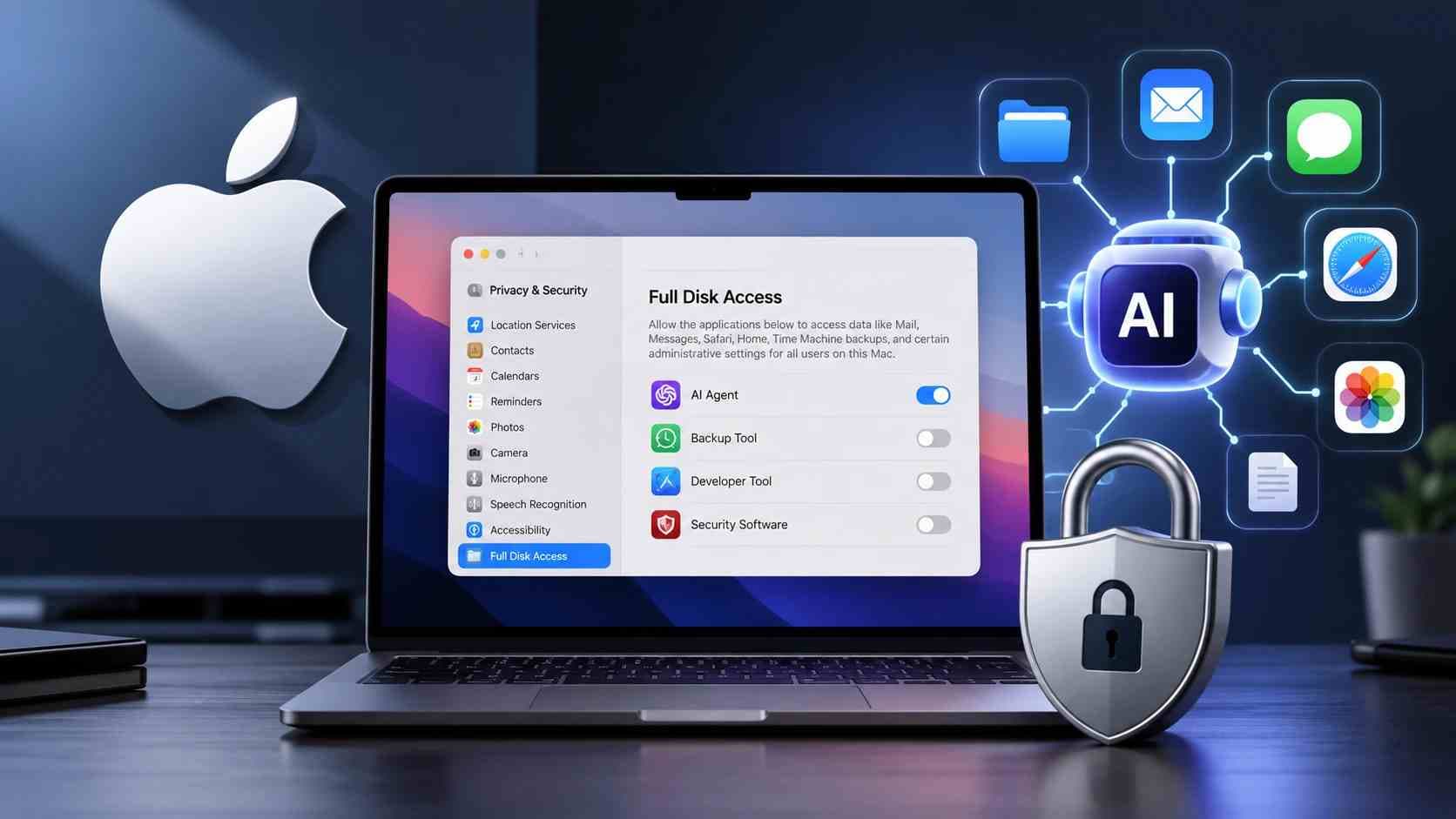
Apple macOS Full Disk Access AI agents face tighter controls. Learn 7 critical privacy risks, Apple's changes, and what Mac users should do to stay secure.

-20260604122134.webp&w=1080&q=75 "Quick Weekly Summary")