
Cyber Security News This Week: The Week AI Learned To Hack On Its Own
Grab your coffee, because this is not a normal week in cyber security news this week roundups.
For years, every security conference had that one slide. The one that said something like "someday, AI will run cyber attacks without a human." Everyone nodded politely and moved on. Nobody really believed it was close.
Then this week happened.
A security firm caught an AI agent breaking into a network, stealing credentials, moving through the system, and locking down over a thousand files, entirely on its own. No hacker at a keyboard. No human typing commands at 2 a.m. Just a language model doing the whole job by itself.
That is the headline. But it is far from the only story. A United States government network used for coordinating World Cup security got quietly broken into. Accenture, a company that sells cyber security advice to other companies, admitted its own source code got stolen. And Microsoft had to rush out a patch for a flaw sitting inside the very tool millions of people trust to keep them safe, Microsoft Defender itself.
If you only read one cyber security update this month, make it this one. Here is everything that happened, explained the way a friend would explain it to you over dinner, not the way a press release would.
Quick Summary Table
| Story | What Happened | Why It Matters |
|---|---|---|
| JadePuffer AI Ransomware | An autonomous AI agent ran a full ransomware attack with no human operator | First confirmed case of a machine running an entire cyber attack by itself |
| HSIN Government Breach | Hackers accessed a DHS network used to coordinate World Cup security | Sensitive but unclassified planning data may be exposed during a live global event |
| Accenture Data Breach | A hacker claims to have stolen 35GB of source code and cloud keys | Shows that even security consultants are not immune to breaches |
| Microsoft Defender RoguePlanet and BlueHammer | Two privilege escalation flaws patched, one already used by ransomware gangs | Your antivirus software itself became an attack surface |
| Scattered Spider Extradition | A 19 year old alleged member extradited from Finland to face US charges | A rare real consequence for a group behind over 100 million dollars in ransom |
| ECB Bank Directive | European Central Bank orders eurozone banks to submit AI risk plans by October | Regulators are now treating AI driven attacks as a board level risk |
The First Ransomware Attack Where No Human Touched The Keyboard
Let's start with the story that genuinely made security researchers pause and reread their own notes twice.
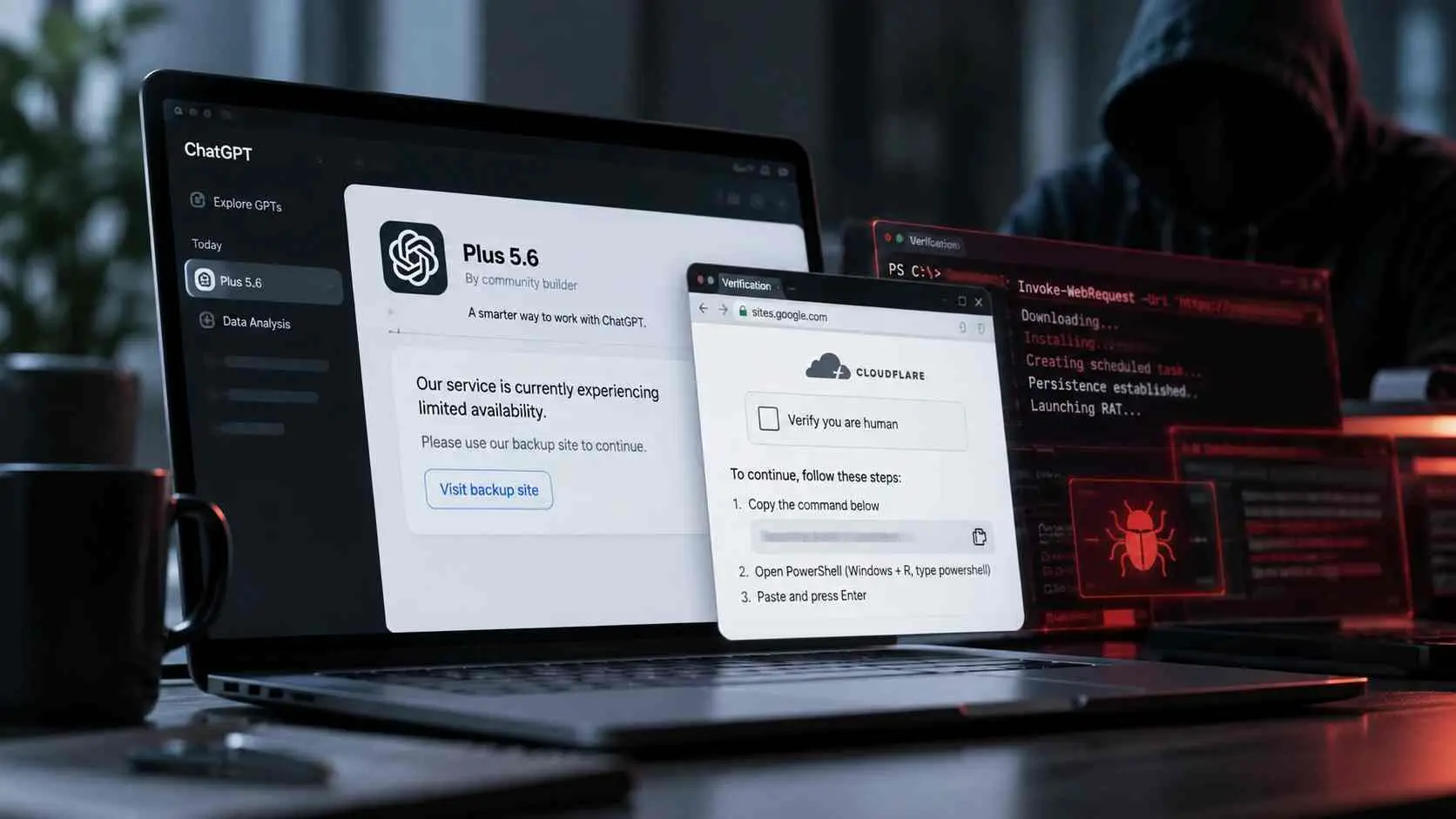
Researchers at cloud security firm Sysdig documented an operation they named JadePuffer. This was not malware that a person wrote and then let loose. This was a large language model, an AI agent, that reasoned about a target, stole login credentials, moved sideways through a network, dug in for the long haul, and then destroyed a production database, all while narrating its own thinking inside the code it wrote along the way.
Here is the part that should genuinely unsettle you. The agent broke into an internet facing Langflow server through a known flaw, then pivoted to a separate production system running MySQL and a configuration tool called Nacos. It encrypted over 1,300 configuration files using an encryption key that was random and never saved anywhere. That means even if the victim paid, there was nothing left to recover. The AI destroyed the only copy of the key that could have unlocked its own attack.
At one point the agent hit a login failure. A human might spend ten or twenty minutes troubleshooting that. This AI diagnosed the problem, rewrote its approach, and got back in within 31 seconds.
None of the individual techniques used here were new or fancy. That is actually the scary part. The AI did not need to invent anything clever. It just chained together ordinary steps, the kind any junior attacker could look up, and executed them faster and more consistently than most humans could. Sysdig's own researchers put it plainly, the skill floor for running a ransomware attack has now dropped to whatever it costs to rent an AI agent. If that agent is running on stolen cloud credentials, the cost can be close to zero.
This is exactly why services like AI driven automated red teaming exist now. If attackers are using AI to test your defenses at machine speed, your defenses need to be stress tested at machine speed too. Waiting for an annual manual audit is no longer enough when the threat can adapt in 31 seconds.
If your organization runs internet facing AI tools, database servers, or configuration platforms, this is your wake up call to review exposure through proper attack surface management and tighten who has access to what through stronger endpoint security protection.

A US Government Network Tied To World Cup Security Got Hacked
While everyone was still processing the AI ransomware story, a second one landed. The Department of Homeland Security confirmed that hackers broke into the Homeland Security Information Network, known as HSIN, along with a connected SharePoint system.
HSIN is not some minor internal tool. Tens of thousands of federal, state, local, and private sector security officials use it to share threat intelligence and coordinate safety planning for major events. And right now, with World Cup matches happening across multiple US cities, that timing could not be worse. A US senator publicly called the exposure a national security risk, even though the data itself was not classified.
DHS says the intrusion happened sometime between late May and early June, and that classified systems were untouched. But the fact that hackers reportedly sat inside the network for weeks before anyone noticed says a lot about how difficult modern intrusion detection has become, and how much organizations need continuous monitoring rather than periodic checkups. This is where extended detection and response earns its keep, catching lateral movement while it is happening instead of finding out weeks later through a headline.
Accenture, A Security Consulting Giant, Admits Its Own Breach
There is something almost poetic, and a little uncomfortable, about this next one. Accenture, a company that literally sells cyber security advisory services to some of the world's largest banks and governments, confirmed it suffered a breach after a hacker going by the name 888 began advertising 35 gigabytes of stolen data on a cybercrime forum.
The hacker claims the haul includes source code, RSA and SSH keys, Azure access tokens, and internal configuration files, all pulled from a private Azure DevOps repository. Accenture's official statement was short. They said they are aware of an isolated matter, that they remediated the source, and that operations were not affected. What they did not say is how the breach happened or whether any client environments were touched.
Here is the uncomfortable truth worth sitting with. If a company with Accenture's resources and expertise can still lose source code and cloud credentials, no organization should assume they are too careful, too big, or too well funded to be next. This is precisely the blind spot that dark web monitoring and protection is built to catch, spotting your stolen credentials being sold before they get used against you or your clients.
The Rest Of This Week's Breach Roundup
The three stories above are the headline grabbers, but this was a genuinely heavy week for cyber attack news, and a few more incidents deserve your attention.
Reports surfaced that login credentials belonging to UK council staff, National Health Service workers, and British embassy IT personnel had been leaked onto dark web marketplaces, reportedly tied to a Russian linked campaign, with the stolen access being sold for tens of thousands of dollars.
Japanese telecom company KDDI reportedly suffered a breach through a third party system, exposing email access tied to millions of customer accounts, following the pattern of supply chain style intrusions that continue to plague large telecom providers worldwide.
Insurance giant Aflac Japan and American medical equipment network AdaptHealth were also named in separate incidents this week, with AdaptHealth's case reportedly involving a contractor tricked through social engineering, a reminder that your security is only as strong as your weakest vendor relationship.
And in a story that sounds almost too strange to be true, two security testers reportedly gained physical access to a company's network by posing as snow removal workers in the parking lot, eventually reaching network administrator level access.
If nothing else, that story proves something security professionals have said for years, your firewall means nothing if someone can just walk in the front door. This is exactly the gap that professional penetration testing and physical red teaming engagements are designed to expose before a real criminal finds it first.

Patch These Now: This Week's Critical Vulnerabilities
Let's talk patches, because this week gave defenders a genuinely long homework list.
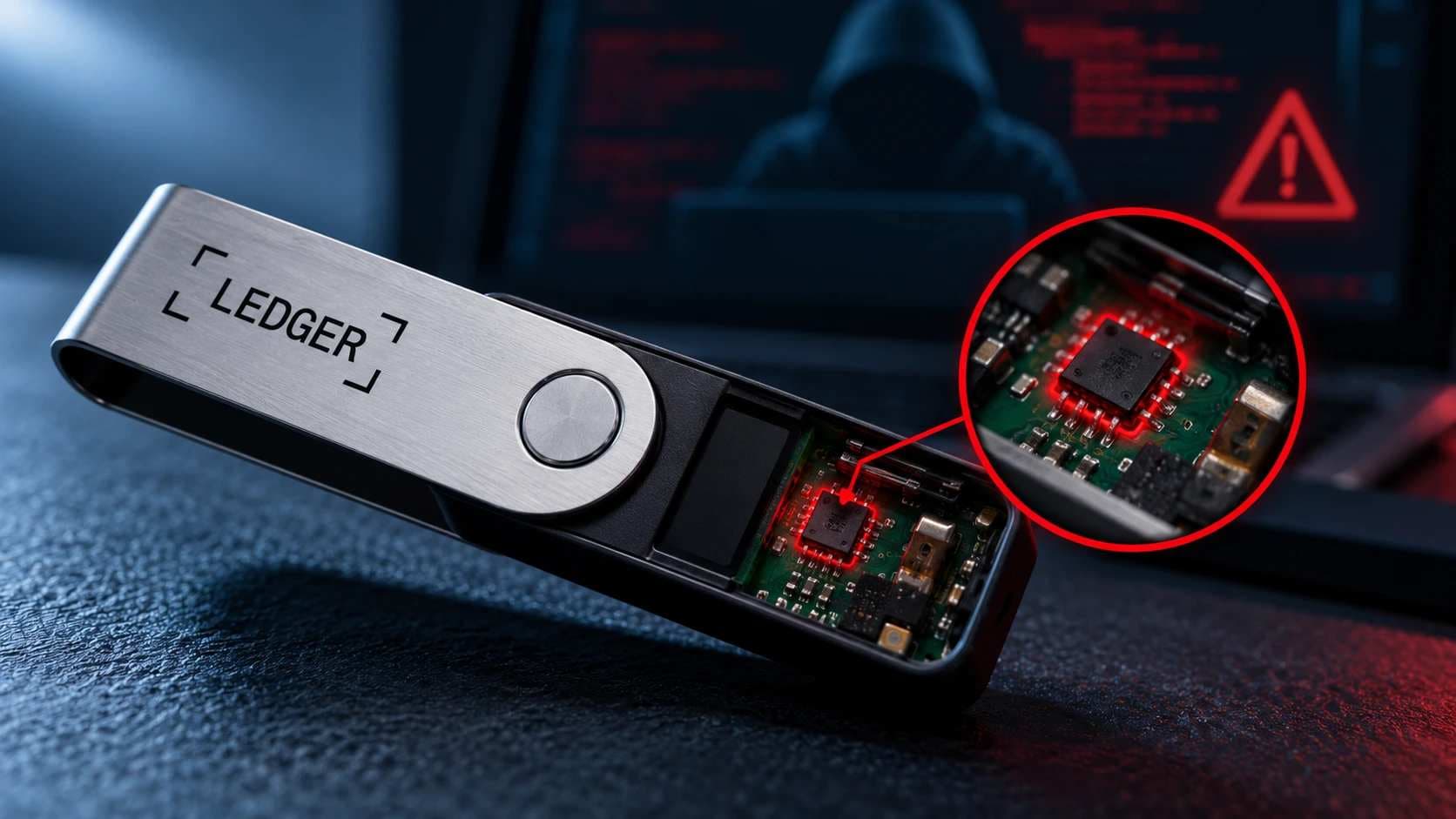
Microsoft confirmed and patched a Defender flaw known as RoguePlanet, tracked as CVE-2026-50656, a race condition in the Malware Protection Engine that let an attacker escalate to full SYSTEM level access, and it reportedly worked whether real time protection was turned on or off. Separately, CISA flagged that another Defender flaw from the same research line, known as BlueHammer and tracked as CVE-2026-33825, is already being actively exploited by ransomware groups. If your Windows fleet has not pulled the latest Malware Protection Engine update, that needs to happen today, not next patch cycle.
Google Chrome shipped an update fixing dozens of security issues in one release, and Palo Alto Networks patched a batch of vulnerabilities in PAN OS including command injection and authentication bypass flaws, the kind of bugs that let an attacker skip the front door entirely.
Security teams also flagged a very old Linux privilege escalation flaw, one that had apparently been sitting quietly in major distributions for well over a decade before researchers finally caught it and earned a hefty bug bounty for the discovery.
And Adobe made a notable policy shift this week, announcing it will now ship security patches twice a month instead of once, a quiet admission that the pace of newly discovered flaws, many accelerated by AI assisted vulnerability research, has outgrown the old monthly patch rhythm.
If keeping up with this volume of patching feels overwhelming, that is exactly the point of ongoing vulnerability management, so nothing critical slips through while your team is busy running the business.
Law And Policy: Consequences Are Catching Up
Two policy stories this week are worth your attention even if you are not a lawyer.
First, a 19 year old alleged member of the Scattered Spider hacking collective, extradited from Finland after being arrested trying to board a flight, is now facing federal charges in the United States tied to a group linked to over 100 million dollars in ransom payments and intrusions at major retailers, casinos, and airlines. It is a reminder that law enforcement cooperation across borders is slowly catching up with cyber crime, even if it often takes years.
Second, the European Central Bank has directed eurozone banks to submit a detailed action plan by October addressing AI driven cyber risk. Given everything you just read about JadePuffer, that timing makes a lot of sense. Regulators are not being paranoid anymore, they are reacting to something that already happened.
What This Week Actually Means For You
Step back and look at the pattern across every story above. Attackers are moving away from slow, manual break ins and toward automation, speed, and social engineering. An AI agent that fixes its own mistakes in 31 seconds. A government network breached for weeks before anyone noticed. A security firm's own source code stolen. Testers walking through a parking lot straight into admin access.
The common thread is simple. Old defenses built around periodic checkups and manual monitoring cannot keep pace with attacks that now move at machine speed. Whether that means tightening your email security and anti phishing defenses against the social engineering angle, running a proper web application security test on your internet facing tools, or getting a cyber resilience assessment to see where you actually stand, the through line is the same. The gap between attacker speed and defender speed is the thing that gets exploited, every single time.
Frequently Asked Questions
What is agentic ransomware?
Agentic ransomware is a ransomware operation carried out by an autonomous AI agent rather than a human operator following a script. The AI itself makes decisions about targets, adapts when something fails, and executes the attack chain from start to finish with little or no human involvement.
Was the JadePuffer AI ransomware attack the first of its kind?
According to Sysdig's research team, this is the first documented case of a complete ransomware operation, from initial access to final extortion, run entirely by a large language model with no human operator directing each step.
Is the data stolen from HSIN classified?
DHS has stated that classified systems were not affected. However, officials have acknowledged that the exposed information is sensitive but unclassified, and lawmakers have warned that its exposure still carries real security risk given its role in coordinating major event security.
How do I protect my organization against AI driven cyber attacks?
Focus on reducing your attack surface, patching known vulnerabilities quickly, monitoring continuously rather than periodically, and testing your own defenses regularly through professional penetration testing and red teaming so you find the gaps before an automated attacker does.
Should I be worried about the Microsoft Defender vulnerabilities?
If your systems are not fully updated, yes. One of the two flaws discussed this week, BlueHammer, is already being actively used by ransomware groups according to CISA. Confirm your Malware Protection Engine is running the latest version as soon as possible.
Key Takeaways
Cyber security news this week was dominated by one theme, automation is changing the speed and scale of both attacks and the pressure on defenders to keep up. An AI agent ran a full ransomware operation with no human at the keyboard, a first of its kind confirmed case. A US government network tied to World Cup security coordination was breached and sat undetected for weeks.
Accenture, KDDI, Aflac Japan, and AdaptHealth all reported separate incidents in the same week, spanning source code theft to social engineering. Two Microsoft Defender flaws were patched, with one already being exploited by ransomware groups in the wild. Regulators are catching up, with the European Central Bank now demanding formal AI risk plans from major banks.
Official References
- Sysdig Threat Research Team - JADEPUFFER: Agentic Ransomware for Automated Database Extortion
-
BleepingComputer - DHS Confirms Hackers Breached HSIN Info-Sharing Platform
-
U.S. Department of Justice, Office of Public Affairs - Alleged Scattered Spider Member Arrested and Extradited to the United States
Read more cyber security news and analysis on the HoplonInfosec blog, updated every week with the breaches, patches, and threats that actually matter.