-20251226183447.webp&w=3840&q=75)
Are cybersecurity threats no longer just technical problems but risks that affect people, businesses, and governments every day?
Yes. Recent cybersecurity threats show a clear shift toward stealthier malware, abused browser extensions, AI-assisted development risks, and regulatory pressure on tech giants. This means that cyber risk is now a big part of everyday digital life.
Reliable source: This analysis is based on publicly available reports of investigations and information from Hoplon InfoSec, as well as reports from other industry sources that back up Hoplon InfoSec's claims.
This week's cybersecurity news seemed less like a bunch of separate events and more like a warning that was linked. There was a common theme of malicious Chrome extensions quietly stealing credentials and PowerShell malware posing as Windows activation tools. People are taking advantage of trust.
Cybersecurity threats are no longer loud or clear. They work with tools that people already use, like browsers, automation platforms, and developer assistants. At the same time, governments and regulators are getting involved and changing the way privacy, competition, and accountability work in the digital economy.
Here is a clear, human-centered summary of the most important cybersecurity threats that were found this week. No hype. Don't worry. Just background, lessons, and useful information based on real-life events.
-20251226183504.webp&w=1080&q=75)
Cybersecurity threats are changing from attacks to abuse
It's not uncommon for browser extensions to steal credentials anymore
It used to be that browser extensions didn't seem dangerous. A lot of people install them without thinking twice, usually to save time or get more done. Recent research shows how wrong that trust has become.
Several Chrome extensions were found to be secretly gathering login information from over a hundred websites. These sites weren't hard to find. They included email services, tools for developers, and well-known online services that people use every day. It was hard to find the extensions because they acted normally on the surface.
What makes this cybersecurity threat so scary is the intent behind it. These extensions were made to look like they belonged, get good reviews from stores, and stay quiet. Once they were installed, they watched how people browsed the web and stole their login information in the background. No pop-ups. No crashes. Just getting data without saying anything.
This shows that the problem is getting worse. Cybersecurity threats are becoming less about brute force and more about patience and legitimacy.
Read more
Fake VPN Extensions Show How Security Branding Is Being Used as a Weapon
People think VPNs are safe because they are advertised as privacy tools. People who attack know this. Fake VPN Chrome extensions were found to be stealing passwords while pretending to keep users safe.
These add-ons looked like real VPNs, with encryption language and promises of privacy. In reality, they sent traffic through infrastructure controlled by the attacker and kept track of sensitive information.
This is a perfect example of a modern threat to cybersecurity. Attackers aren't breaking things. They are convincing users. On purpose, the line between protection and exploitation is becoming less clear.
-20251226183504.webp&w=1080&q=75)
Read more
Malware Is Attacking Trust in Operating Systems
Attackers are hiding malware in real Windows activation tools.
PowerShell is becoming more popular because it is built into Windows.
People who are looking for shortcuts are becoming the main targets.
Using fake Windows activation tools and PowerShell for bad things
Fake Microsoft Activation Scripts are one of the most dangerous cybersecurity threats that have been found. These tools say they will turn on Windows, but they actually install PowerShell malware.
The operating system trusts and relies on PowerShell. Attackers use it because people trust it. The malware runs commands that download more payloads, make itself permanent, and sometimes open backdoors for later access.
This method doesn't trigger traditional antivirus alerts because PowerShell activity often looks normal. The attack doesn't depend on taking advantage of weaknesses. It depends on how users act and what features are built into the system.
It reminds us that cybersecurity threats are becoming more social and psychological, not just technical.
Read more
New Attack Surfaces Are Automation and DevOps Tools
A serious flaw in n8n shows how risky the supply chain is.
Automation tools like n8n are meant to make workflows easier. They link APIs, systems, and data streams. That same ability to connect makes them good targets.
A serious flaw in n8n showed how attackers could get into workflows without permission or change them. Even though patches were released, the incident brought attention to a bigger problem. Automation tools usually run with higher permissions.
This kind of cybersecurity threat is very dangerous because it can spread to other systems. One exploited automation node can affect databases, cloud services, and internal apps all at the same time.
-20251226183503.webp&w=1080&q=75)
Read more
Why Configuration Is Just as Important as Patching
Misconfigured instances are still at risk even after being fixed. A lot of companies set up automation tools quickly and then forget to make them more secure.
Cybersecurity threats don't go away when a patch comes out. They stop when systems are set up, watched, and checked out correctly.
AI Tools Are Changing the Way We Talk About Security
The integration of Claude Opus with GitHub Copilot raises new questions.
The addition of advanced AI models like Claude Opus to developer tools is a big change. AI is now used by developers to suggest code, fix bugs, and write documentation.
This makes people more productive, but it also brings new threats to cybersecurity. AI models can suggest patterns that aren't safe without meaning to. If they learn from bad examples, they might make vulnerable code again.
There is no proof of bad intent. But the risk is in scale. A single insecure suggestion that is used in thousands of projects becomes a big problem.
Security teams now have a new problem to deal with. They need to protect not only the code but also the tools that make it.
Cybercrime in the financial world is getting more organized.
Malware on ATMs and Working Together Across Borders
Authorities in the U.S. charged people with hacking ATMs using advanced malware. These attacks directly hit financial infrastructure, often by using physical access and malware at the same time.
This type of cybersecurity threat shows how cybercrime and regular crime can work together. Attackers plan how to get things done, work together across borders, and make money fast.
ATM malware isn't new, but the fact that it keeps coming back shows how profitable and hard to get rid of it is.
Regulation Is Now a Part of the Cybersecurity Landscape
Apple and App Tracking Transparency Are Being Watched
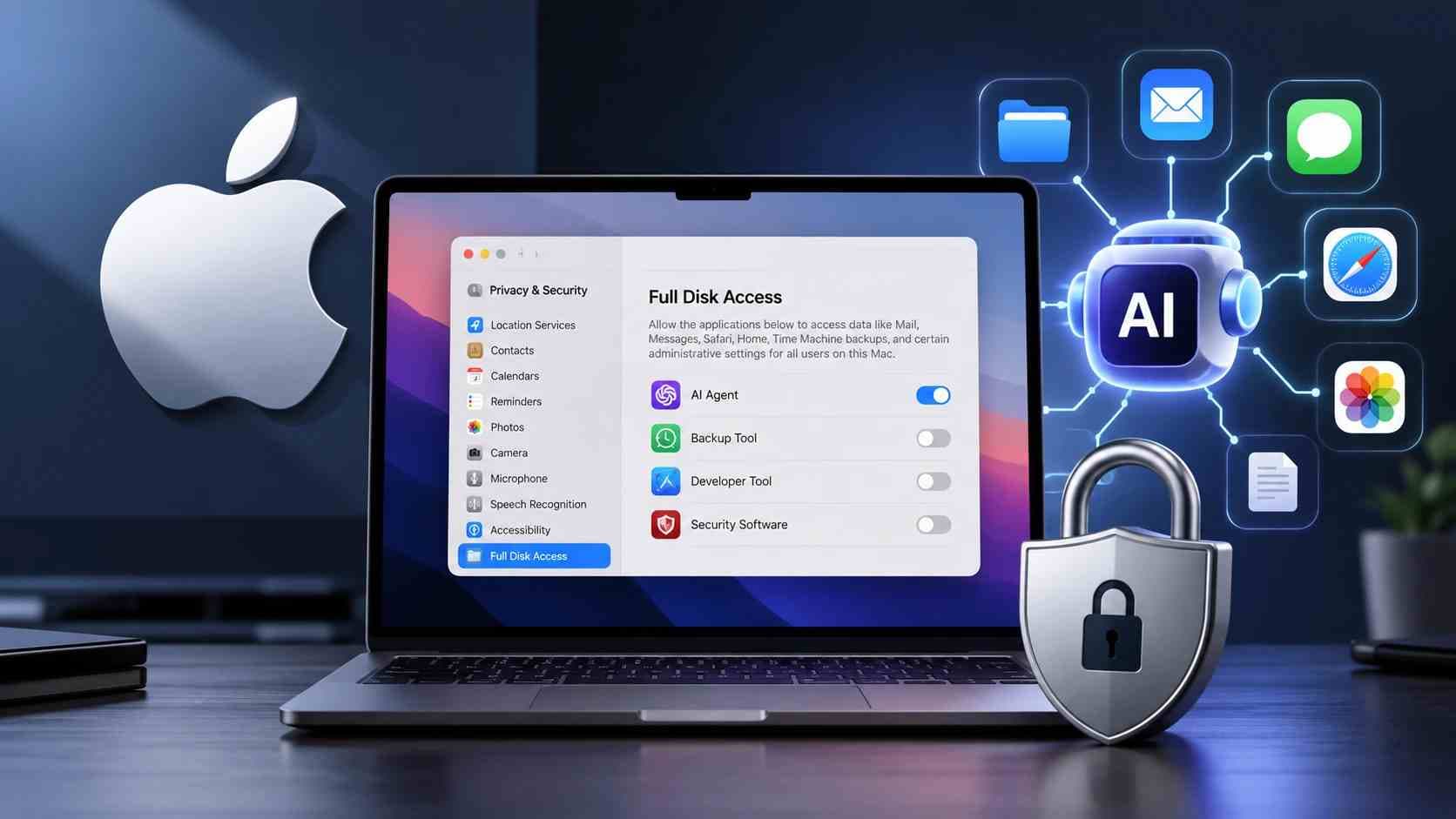
Italy's competition authority fined Apple because it was worried about App Tracking Transparency and how it would affect the market. It is framed as a competition issue, but it also has to do with cybersecurity.
Privacy controls change how data is accessed, how ads are shown, and how much power a platform has. Now, regulators are looking into how privacy and security features affect competition.
This means that in the future, cybersecurity threats will be more than just technical problems; they will also be legal and economic problems.
Read more
The Silent Extension Breach
A marketing company of medium size installed a free Chrome extension to help them manage their social accounts. Several accounts were hacked weeks later. Resetting passwords didn't help.
It wasn't phishing that caused it. One employee put in a bad extension. Credentials were quietly stolen and used again.
This pattern in the real world is like the threats to cybersecurity we see today. A single minor choice can put the whole organization at risk.
Questions and Answers
What sets today's cybersecurity threats apart?
They depend more on trust and less on technical tricks.
Are browser add-ons really that risky?
Yes, especially those that have too many permissions.
Can you avoid PowerShell malware?
Yes, but only if there are good rules in place and users are aware of them.
Do AI tools make security more risky?
They can, but only if the outputs aren't looked at closely.
Final Thoughts
Cybersecurity threats these days seem quieter, smarter, and more personal. They are hidden in tools we trust and processes we need. That makes being aware more important than ever.
It's not just an IT problem anymore. Every day, users, developers, and leaders all have to make this choice.
This is the one thing you should remember from this week's recap. Take it easy. Tools for asking questions. Check permissions. Believe, but check.
You can also read these important cybersecurity news articles on our website.
· Apple Update,