Cybersecurity News This Week: Massive Breaches, Zero-Days, and a $4.1B Industry Shake-Up
Quick Summary
This week's cybersecurity news delivered one of the busiest cycles of the year. From 73,000 firewall credentials leaking online and a 24 billion-record database sitting completely exposed to a zero-day in Microsoft Defender that still has no patch and Accenture dropping $4.1 billion to dominate the OT security space, the week covered all four corners of the threat landscape. Here is your complete, no-jargon breakdown of everything that matters and what you should do about it.
Some weeks in cybersecurity feel like a slow news day. This week was not one of them. By Friday, security teams worldwide were managing credential resets, emergency patches, supply chain scans, and boardroom discussions regarding a multi-billion-dollar acquisition that had just transformed the industrial security market. If you missed any of it, you are in the right place. This weekly cyber threat roundup covers every major story, every impacted technology, and every action worth taking.
|
Category |
Incident / Story |
Impact Level |
Action Required |
|
Data Breach |
FortiBleed Leak |
Critical |
Patch & Reset Credentials |
|
Data Exposure |
24B Record Mega Leak |
Critical |
Password Reset, MFA Enable |
|
SaaS Abuse |
Salesforce OAuth Theft |
High |
Audit OAuth Grants |
|
Zero-Day |
Splunk RCE (CVE-2026-20253) |
Critical |
Patch within 72 hours |
|
Zero-Day |
RoguePlanet (MS Defender) |
High |
Monitor & Mitigate |
|
Hardware Flaw |
Apple BootROM usbliter8 |
High |
Avoid Untrusted USB |
|
Supply Chain |
JetBrains Malicious Plugins |
High |
Audit IDE Plugins Now |
|
Botnet Takedown |
SocGholish Network Seized |
Medium |
Update Threat Intel Feeds |
|
Botnet Exposed |
Popa Android Botnet |
Medium |
Audit Android TV Firmware |
|
Industry M&A |
Accenture $4.1B OT Push |
Market Signal |
Reassess OT Security Strategy |
|
Funding |
Dream Raises $260M |
Market Signal |
Watch AI Defense Trends |
1. Major Data Breaches and Exposures This Week
FortiBleed: 73,000 Firewall and VPN Credentials Exposed
Let's start with the one that should be keeping network administrators up at night. A massive data leak, now being called FortiBleed, exposed the credentials of nearly 73,000 Fortinet firewall and VPN devices. The U.S. Cybersecurity and Infrastructure Security Agency (CISA) issued an urgent advisory almost immediately, and for good reason. These are not just passwords sitting in a text file. This is direct access to the network perimeters of organizations worldwide. If your organization runs Fortinet devices and you have not already rotated every credential and applied the latest firmware, that is where your Monday morning needs to start. Your program for managing attack surfaces should have flagged exposed Fortinet interfaces already. If it has not, that is equally worth investigating.
The 24-Billion-Record Mega Leak: Plaintext Passwords in the Wild
Security researchers discovered an exposed database containing 24 billion records. The data included plaintext passwords, usernames, email addresses, and login URLs. To put that in perspective, the entire global population is around 8 billion. This database had three records for every person alive. Many of these credentials likely come from years of prior breaches combined and compiled into one easily searchable dump. That type of compilation is extremely valuable to attackers running credential stuffing campaigns against SaaS platforms, banking portals, and enterprise applications. If you are not already running dark web monitoring to check whether your business email addresses and employee credentials appear in these dumps, this week was a loud reminder that you need to be.
Salesforce Data Theft via OAuth Token Abuse
This one is more subtle but arguably more dangerous for enterprise organizations. Threat actors compromised a trusted third-party SaaS integration (the platform identified was Klue) to abuse OAuth tokens and silently harvest sensitive data from Salesforce CRM environments. Nobody broke down the door. They walked in through a side entrance that the organization had propped open for a vendor it trusted. This attack pattern is one of the fastest-growing vectors in enterprise security right now. Your direct software has patches and security teams. Your third-party integrations often do not get the same scrutiny. Reviewing OAuth token permissions and third-party app access across your SaaS stack is a task that often goes unnoticed, and attackers are aware of this. This is exactly where a program for cyber threat intelligence pays for itself, flagging suspicious OAuth activity before the exfiltration completes.
2. Critical Vulnerabilities and Zero-Day Exploits
Splunk Zero-Day CVE-2026-20253: Federal Agencies Given 72 Hours to Patch
CISA told federal civilian agencies to fix a serious remote code execution vulnerability in Splunk Enterprise (CVE-2026-20253) within just three days because it was being actively exploited. Splunk is one of the most widely deployed SIEM and log management platforms in the world, which makes an RCE vulnerability in it especially severe. An attacker who can run arbitrary code on your Splunk instance essentially owns your security visibility layer. They can delete logs, inject false data, or pivot directly into your network. If you run Splunk and have not patched, do that before reading the rest of this article. For teams running extended detection and response (XDR) platforms alongside Splunk, verify your logging pipelines remain intact after the patch cycle.
RoguePlanet: Microsoft Defender Zero-Day Without a Patch
Microsoft is actively working on a patch for RoguePlanet, a newly discovered zero-day flaw affecting Microsoft Defender. The uncomfortable reality is that a patch does not exist yet. This vulnerability sits inside the security tool that millions of Windows environments depend on for endpoint protection. Until the fix arrives, organizations need to layer up their defenses. Running endpoint security protection from a secondary vendor, enabling enhanced logging, and running internal penetration testing to understand your actual exposure are all steps worth taking while Microsoft finalizes the patch.
Apple BootROM Flaw (usbliter8) and Beats Earbuds Eavesdropping Bug
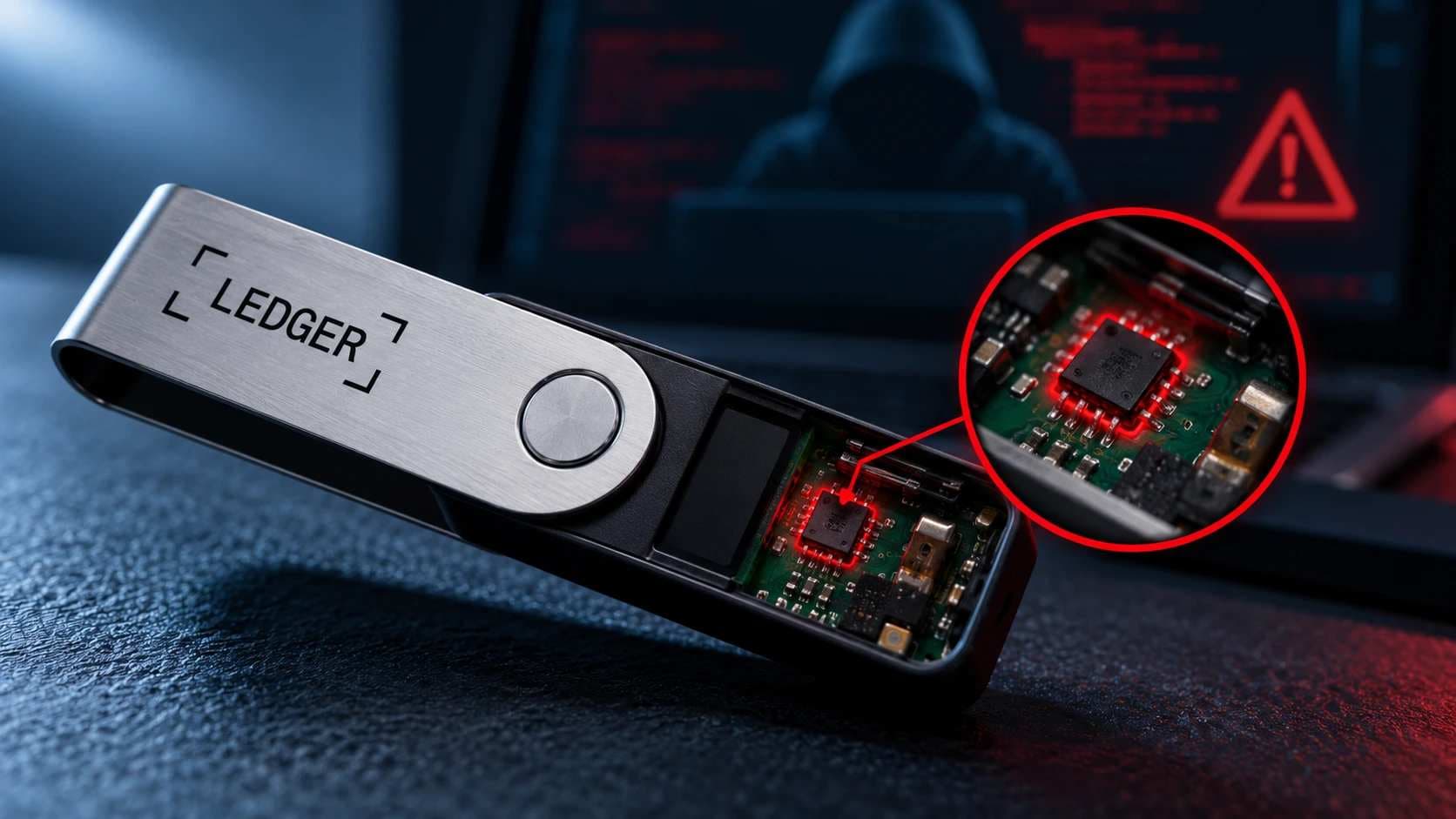
Researchers unveiled usbliter8, a hardware-level BootROM vulnerability affecting Apple A12, A13, S4, and S5 chips. Because this flaw exists in read-only boot memory, it cannot be patched through a software update. Physical access is required to exploit it, which limits the attack surface somewhat, but the fact that it cannot be fixed through an update makes it a long-term concern for organizations that use affected Apple hardware in sensitive environments. Separately, Apple patched a high-severity flaw (CVE-2025-20701) in Beats Studio Buds. The vulnerability allowed remote attackers to pair with the device without the owner's consent and potentially eavesdrop on nearby audio. For anyone using wireless earbuds in environments where sensitive conversations happen, that should get your attention. This vulnerability connects to a broader trend in IoT and embedded security, where consumer devices increasingly find their way into enterprise environments without formal security review.
Malicious Plugins in JetBrains Marketplace: AI API Keys Targeted
Attackers infiltrated the JetBrains Marketplace and uploaded malicious plugins specifically designed to steal AI API keys from software developers. This is a supply chain attack targeting developers, not end users. When a developer installs a compromised plugin into their IDE, the malware silently exfiltrates API keys for services like OpenAI, Anthropic, and others. Those keys can then be used to rack up massive API bills, access proprietary AI model outputs, or pivot into connected systems. This attack pattern mirrors what we have seen in npm and PyPI supply chain compromises over the past two years. Every developer team should audit their installed IDE plugins today. Our recent blog provides a detailed overview of this type of AI supply chain attack. For broader protection, a vulnerability management program that includes developer tooling in its scope is no longer optional.
3. Botnet Busts and Malware Takedowns
SocGholish Network Seized: 106 Servers and 101 Domains Gone
In a major international law enforcement operation, authorities dismantled the infrastructure behind SocGholish, a malware delivery network that has been active since 2017. The operation resulted in the seizure of 106 servers and 101 domains. SocGholish is particularly nasty because it masquerades as legitimate browser update prompts, tricking users into downloading malware. It has been used to deliver ransomware, information stealers, and remote access tools across thousands of victim organizations over nearly a decade. The takedown is a genuine win, but threat actors operating at this scale typically have backup infrastructure. Threat intelligence feeds should be updated to reflect any new indicators of compromise. Running a takedown and disruption service through a specialist provider is something organizations facing active malware distribution campaigns should consider. Additionally, online threat exposure monitoring helps detect if your brand or infrastructure is being mimicked in future SocGholish-style campaigns.
Popa Android Botnet: Your TV Box May Be Someone Else's Proxy
Security researchers tied the Popa Android botnet, which has hijacked millions of consumer Android TV boxes for data scraping and advertising fraud, directly to commercial proxy provider NetNut. This is a significant finding because it suggests that a legitimate-looking commercial service may have been built on the back of compromised consumer devices. The average person does not know their cheap Android TV box is part of a botnet. From a corporate security standpoint, any network-connected consumer device that employees bring into hybrid work environments is a potential pivot point. Mobile security and threat defense policies should explicitly cover Android TV boxes and other non-standard IoT devices, especially in organizations with bring-your-own-device policies.
4. Big Industry Moves: M&A and Major Funding Rounds
Accenture's $4.1 Billion OT Security Play: Dragos, runZero, and NetRise Acquired.
The biggest business story of the week by a wide margin was Accenture announcing a $4.1 billion push into operational technology (OT) security. The company acquired a majority stake in Dragos, the leading industrial cybersecurity platform, and completed full acquisitions of runZero and NetRise. Together, these three companies give Accenture an end-to-end capability in industrial network discovery, asset visibility, threat detection, and firmware security. The size of this deal tells you everything about where enterprise security spending is headed. Critical infrastructure, manufacturing, energy, and utilities are coming under increasing attack, and the market is responding. For organizations running industrial environments, this is a signal to revisit your OT security posture. If you have not done a cyber resilience assessment specifically for your OT network, now is the time. And for companies exploring acquisitions themselves, M&A security advisory services exist precisely to help you understand the security posture of any asset before you sign the papers.
Dream Raises $260 Million at a $3 Billion Valuation
Israeli AI defense startup Dream, co-founded by the former head of NSO Group, closed a private funding round that values the company at $3 billion. Dream focuses on sovereign AI defenses for critical national infrastructure, essentially building AI-native threat detection systems that governments and large enterprises can deploy without depending on foreign cloud infrastructure. The NSO Group connection will raise eyebrows in some circles, but the capital raised reflects serious investor confidence in the AI-native security category. For security leaders, the broader trend here matters more than any single company. AI-driven defense is moving from a talking point to a primary investment thesis. Tools like AI-driven automated red teaming are already moving this from theory into practice. Organizations that start building their AI security literacy now will be better positioned as these technologies mature.
What This Week Tells Us About the Direction of Cyber Threats
Step back from the individual stories, and a few themes emerge clearly. Third-party integrations, developer toolchains, and trusted vendor relationships are becoming primary attack vectors. The Salesforce OAuth theft and the JetBrains plugin compromise are two examples of the same underlying problem: attackers are going around hardened perimeters by exploiting the trust relationships that organizations depend on. Hardware-level vulnerabilities like the Apple BootROM flaw are growing in prominence, and they demand a fundamentally different response than software patches. And the financial consolidation happening in OT security signals that boards and investors are finally taking industrial cyber risk seriously, even if many organizations in those sectors have not yet caught up with modern security compliance requirements.
For security teams heading into next week, here are the things worth watching: whether Microsoft releases the RoguePlanet patch and what the scope of affected devices turns out to be, any follow-on activity from threat actors whose SocGholish infrastructure was seized, and further details on the FortiBleed credential exposure as organizations begin assessing their own exposure. If any of these threats have you concerned about gaps in your current program, a gap assessment is a fast way to identify where your controls fall short before an attacker finds out for you. And if you are already dealing with an active incident, incident response and recovery support is available when you need it most.
Official References
• CISA Known Exploited Vulnerabilities Catalog
• NVD Entry CVE-2026-20253 (Splunk)
• Microsoft Security Response Center (RoguePlanet)
Related Hoplon InfoSec Blog Posts
• AI Supply Chain Attacks: How Plugins & Extensions Steal Keys
• FortiSandbox Vulnerability Exploit: What You Must Know Now
• Vertex AI SDK Vulnerability: Bucket Squatting to RCE Explained
• JCE Vulnerability & WordPress Attacks: CMS Security Guide
• F5 NGINX Vulnerabilities: Critical Security Updates & Fixes